




 By Revolutionized Team

Revolutionized is reader-supported. When you buy through links on our site, we may earn an affiliate commision. Learn more here.
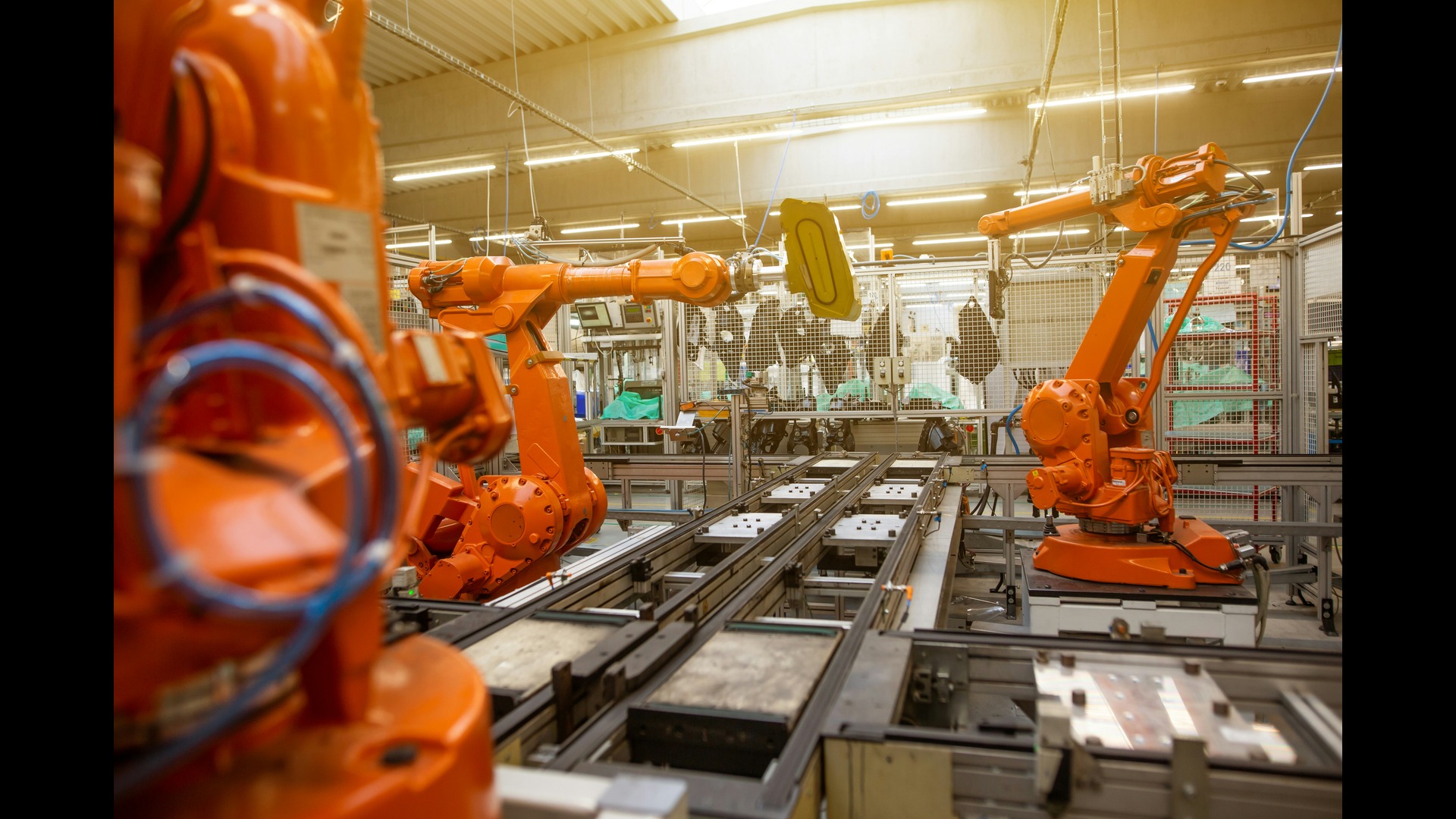
Sending workers into confined reactor vessels or along miles of remote pipeline costs money and risks lives. Industrial inspection robots address both concerns, as these machines can autonomously move through hazardous environments and return thermal imaging and ultrasonic data. The result is early detection that prevents failures from becoming disasters.
The shift toward robotic systems changes how energy and industrial sectors approach facility management. Companies now recognize that human inspectors face significant risks in certain environments and incur operational costs due to inefficiency and downtime. Analysts valued the inspection and maintenance robots market at $41.66 billion in 2023 and project it will reach $146.9 billion by 2032, reflecting a compound annual growth rate of 15.03%. This expansion demonstrates that these devices are becoming essential infrastructure.
Investment flows into these systems because they deliver measurable returns. Removing workers from high-risk zones lowers insurance premiums, while sensors catch wear patterns early to extend equipment life and prevent failures. Industrial inspection robots also inspect during normal operations, eliminating the production shutdowns that manual assessments usually require.
Energy infrastructure presents some of the toughest inspection requirements in industrial operations. Power plants run at extreme temperatures and voltages, pipelines stretch across remote terrain that takes serious effort to reach, and refineries move volatile materials through systems that shift constantly. Robotic systems can handle diverse environments with specialized designs tailored to these conditions.
Power plants depend on continuous monitoring to prevent failures that cascade into regional outages. Robots equipped with thermal sensors can move through turbine halls and boiler rooms, pointing out hot spots that signal bearing wear or failing insulation. The machines inspect energized high-voltage areas without shutdowns, saving hours of downtime per cycle.
In short, robots catch problems human inspectors miss. A quadruped unit can climb stairs and go on catwalks to reach generator cooling systems, recording vibration patterns and corrosion damage along the way. Plant managers get the same detailed data from every inspection, not notes that may vary depending on who conducted the walk-through.
Pipeline networks span thousands of miles, often through areas where weather and terrain make human work impractical. Crawler robots can travel inside pipes during operation, using magnetic wheels to maintain contact while ultrasonic sensors measure wall thickness. These internal inspections detect corrosion and cracking without excavating the site or halting service.
Aerial drones complement ground-based systems by surveying pipeline routes from above, spotting vegetation encroachment, erosion, unauthorized construction and ground subsidence patterns that signal potential stress points. The combination of internal crawlers and external aerial robotic inspections creates full-scale coverage that manual approaches simply cannot match.
Refineries are arguably the most complex inspection environment in the energy sector. Process vessels operate under pressure and at extreme temperatures and contain materials that pose a danger to human entry. They are also expensive to handle. Robots designed for these conditions can enter tanks and reactors through standard access ports, eliminating the need for confined space permits and extensive safety protocols.
These machines carry a variety of sensors, including thermal cameras and 3D LiDAR. The array builds detailed maps of internal surfaces and identifies anomalies. Refineries can also schedule these robotic inspections during planned maintenance windows and gather all the data they need within hours instead of the days typically required for scaffolding installation and manual assessment.
Sensor technology separates modern industrial inspection robots from earlier generations of remote equipment. They capture information across multiple spectrums simultaneously, building an impressively comprehensive picture of asset condition. Temperature differentials as small as 0.1° appear in thermal imaging, while ultrasonic arrays detect wall thinning before it becomes visible. Gas sensors also instantly flag chemical leaks at concentrations far below human detection thresholds.
Robots like the ANYmal demonstrate how sensor fusion creates new capabilities. This platform autonomously travels through industrial sites, collecting multimodal data, including thermal imaging, ultrasonic leak detection, gas concentration measurements and acoustic anomaly identification. Each sensor type validates the others’ findings, reducing false positives while catching problems that single-mode systems often miss.
The versatility extends to harsh conditions. Environments where temperatures exceed 200° Fahrenheit or where explosive atmospheres are present require intrinsically safe designs. Inspection robots pose no barrier to them. Total darkness becomes irrelevant with LiDAR and radar, and the machines maintain stability on moving platforms like offshore rigs. Such a degree of environmental tolerance enables facilities to inspect assets during operations without issues.
Data collection represents only half the value equation. The real breakthrough comes when artificial intelligence processes inspection information and generates maintenance recommendations. Modern systems upload gigabytes of sensor data to cloud platforms where machine learning models identify patterns that correlate with specific failure modes. Predictive maintenance schedules then emerge from these analyses and tell operators exactly when to service equipment.
Research initiatives push these capabilities further. Teams have developed autonomous quadruped robotic systems such as LAIKA that use vision-language AI to analyze complex environments without human guidance. These platforms can detect smoke and leaks, then generate structured incident reports that include location data and severity assessments. The system improves its detection accuracy and expands its anomaly library with every deployment.
Processing this much data requires serious power. The computing and wireless communication sectors drive demand for advanced microchips, with computing applications valued at $160.2 billion and wireless communication at $126.7 billion.
Inspection robots tap in to both markets. Each unit runs edge computing to make split-second decisions on-site while maintaining cloud connections for deeper analysis. The chips inside these machines juggle sensor data fusion, route planning, object recognition and AI analysis simultaneously, all while being baked in intense heat and shaken by constant vibration.
Industrial inspection robots solve the old problem of choosing between worker safety and keeping costs down. Staff stay clear of dangerous zones while machines gather the detailed information that stops breakdowns before they happen. The results are evident, with facilities seeing less downtime and equipment lasting longer. What started as experimental tech is now standard practice across the energy sector.
Revolutionized is reader-supported. When you buy through links on our site, we may earn an affiliate commision. Learn more here.

This site uses Akismet to reduce spam. Learn how your comment data is processed.