




 By Emily Newton


Revolutionized is reader-supported. When you buy through links on our site, we may earn an affiliate commision. Learn more here.
Food safety concerns continue to grow as consumers become more aware of agricultural chemical residues on produce. The question of how to effectively wash pesticides off fruit has driven researchers to explore innovative solutions beyond conventional rinsing methods. A nanotechnology-based approach promises to transform decontamination standards while addressing food preservation and waste reduction.
Researchers have developed a novel fruit cleanse using advanced nanotechnology that demonstrates unprecedented efficacy in removing pesticide residues. Breaking down chemical bonds at the molecular level, the formulation washes pesticides off fruit far more effectively than water alone.
Laboratory testing confirms the removal of 86% of thiabendazole residues from treated fruit surfaces. Testing shows equally impressive results against other common agricultural chemicals, eliminating 93.51% of acetamiprid and 89.03% of imidacloprid — two insecticides farmers widely apply in commercial operations.
This novel method also delivers an unexpected benefit for food longevity. Produce treated with the cleanse maintains quality for over 15 days in storage, without chemical additives or artificial preservatives, making it suitable for both organic and conventional produce.
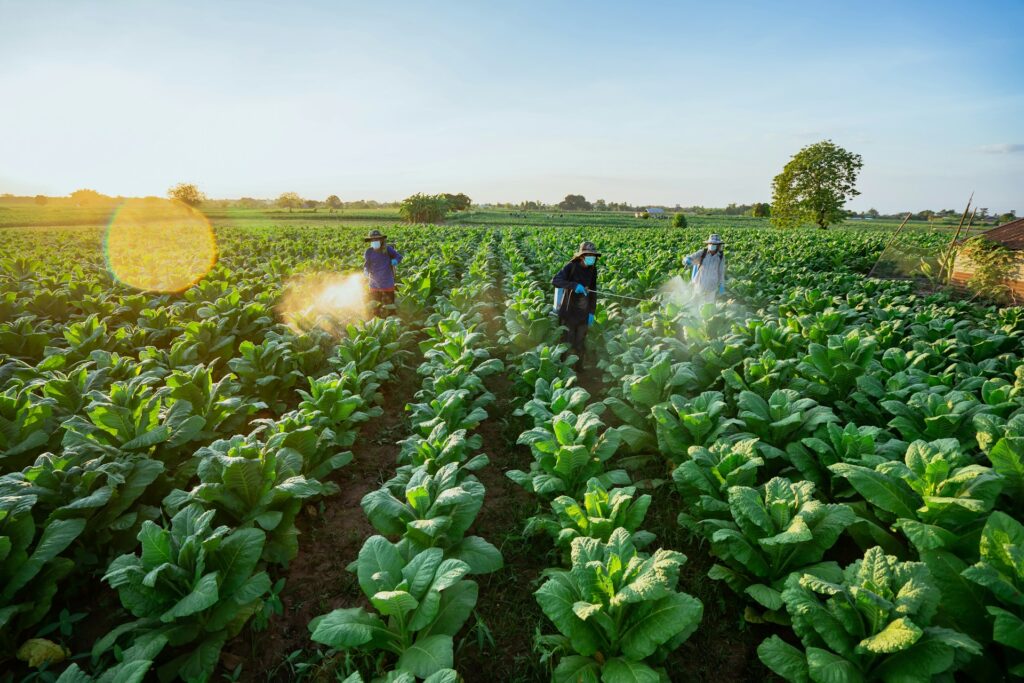
Modern agriculture relies heavily on chemical applications to protect crops from pests, diseases and weeds. The Environmental Protection Agency (EPA) upholds strict oversight, evaluating hundreds of scientific studies before approving any new pesticide for sale.
Regulatory standards continue to evolve as new research emerges. Between 1996 and 2006, the EPA canceled or restricted 270 pesticides and lowered permissible residue levels for many foods. The agency controls pesticide use through registration requirements, application restrictions and monitoring programs.
Despite this surveillance, pesticide residues remain detectable in commercially sold produce. Even compounds the EPA approves as safe at specific concentrations may pose risks through repeated consumption, particularly for vulnerable populations, including children and pregnant women.
Growing evidence about pesticide health and environmental risks has spurred the development of better decontamination technologies.

Long-term pesticide exposure can lead to serious health consequences that extend far beyond acute poisoning events. Research indicates these chemicals build up in the body as repeated low-level exposures accumulate in tissues through bioaccumulation. Children and people living near fields receiving pesticide applications face the greatest risk from this gradual accumulation.
Other studies show that pesticides disrupt the endocrine system, harm reproductive health and result in adverse neurodevelopmental outcomes by interfering with hormone signaling that regulates metabolism, growth and reproduction.
Cancer risk also represents one of the most alarming consequences. Recent analysis reveals that agricultural pesticide usage is comparable to the effects of smoking for some cancers.
Additionally, lifetime exposure to pesticide drift doubles the risk for breast cancer, demonstrating that individuals need not live or work on farms to face significant health threats. Airborne dispersion extends these dangers to surrounding communities, making pesticide contamination a public health issue rather than merely an occupational hazard.
Pesticide applications affect ecosystems well beyond their intended targets, with pollinators particularly at risk. These species support global food security by facilitating plant reproduction, yet conventional farming practices threaten their survival and productivity.
A six-year study of 180 honeybee hives in France found that organic farming increased honey production by 53% and led to a 20% larger adult bee population than in conventional operations. These findings underscore the measurable benefits of reducing chemical inputs for species essential to agriculture.
Outside its decontamination function, the breakthrough nanotechnology wash addresses a critical global problem. The United States alone loses 30% to 40% of the food supply, equivalent to 133 billion pounds and $161 billion in 2010. Cold storage equipment failure, overbuying and culling of blemished produce all contribute to this loss.
The U.S. Department of Agriculture and EPA have set a target to cut food waste by 50% by 2030. Technologies that extend the shelf life of produce without synthetic preservatives help meet this goal. By extending preservation across the supply chain, this new wash helps reduce spoilage from farm to consumer.

As innovative technologies emerge, consumers can take immediate steps to reduce their exposure to pesticides. For instance, the Environmental Working Group publishes an annual Dirty Dozen list identifying produce items with the highest pesticide contamination.
This resource helps consumers prioritize which items to buy organic and which conventional products pose a lower risk. The organization added blackberries to the list for the first time in 2023, reflecting increased chemical applications on this crop.
Soaking produce in water for several minutes proves more effective than quick rinsing, as extended contact time allows water to penetrate surface irregularities where residues accumulate. Likewise, gently rubbing fruits and vegetables under running water removes additional contamination.
For items like apples with waxy coatings that trap chemicals, using a soft brush enhances cleaning effectiveness. Peeling also removes surface residues and nutrient-rich skins, creating a trade-off between safety and nutritional value.
Consumers often have questions about pesticide removal methods and emerging wash technologies. The following addresses common concerns about effectiveness and environmental impact.
Manufacturers formulate many agricultural chemicals to resist washing off during rain or irrigation. These compounds bond to fruit surfaces and waxy protective layers, requiring mechanical action or chemical intervention to dislodge them.
The formulation operates at the molecular level to disrupt chemical bonds between pesticides and produce surfaces. Unlike soap-based washes that rely solely on surfactant action, this system uses nanoparticles engineered to target specific pesticide compounds. Testing shows removal rates exceeding 85% for multiple chemical classes.
Lower pesticide consumption reduces demand for chemical-intensive agriculture, encouraging farmers to adopt more sustainable practices. Reducing chemical use protects pollinator populations, which are essential to crop production and biodiversity. Individual choices to wash pesticides off fruit and support sustainable farming create market pressures that shift agricultural systems toward environmental stewardship.
This nanotechnology innovation represents a significant advance in produce safety. Research-validated efficacy across multiple pesticide classes, combined with extended preservation benefits, makes this wash a potential cornerstone of modern food safety protocols.
Commercial adoption will require regulatory approval, consumer education and integration into existing supply chains. As these challenges get addressed, such technologies could become standard practice in both industrial food processing and home kitchens, advancing efforts to create safer and more sustainable food systems for future generations.
Revolutionized is reader-supported. When you buy through links on our site, we may earn an affiliate commision. Learn more here.

This site uses Akismet to reduce spam. Learn how your comment data is processed.