




 By Revolutionized Team

Revolutionized is reader-supported. When you buy through links on our site, we may earn an affiliate commision. Learn more here.
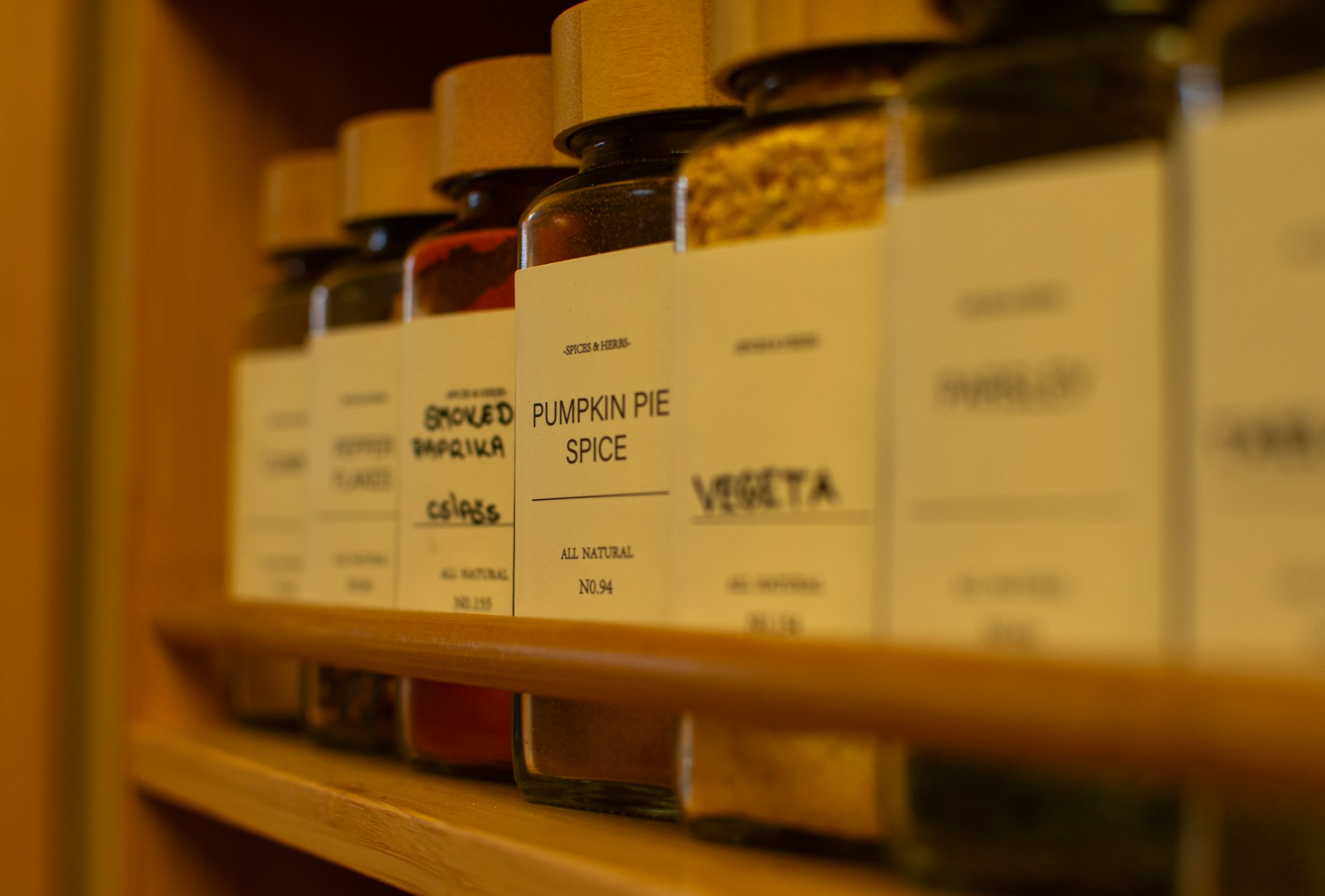
Whether you love it or hate it, pumpkin spice is everywhere once it’s fall. All of a sudden, every beverage, meal or scent item has a twist of nutmeg, cinnamon, allspice and ginger. How did it become so ubiquitous in autumn, and what makes people crave it in this season?
Scarcity is a frequent driver of demand. In the case of pumpkin spice, the seasoning isn’t what’s scarce — it’s the offer. Some feel a higher drive to buy because they know the offer will go away and don’t want to miss it. It also creates competition between buyers, and success can elicit feelings of satisfaction, achievement and pride. These psychological factors make pumpkin spice a hot commodity during fall. This is the only time it will be common, so some want to make the most of it.
People also often want to follow trends so they can have similar experiences. If they see someone post about how delicious the fall breakfast special at a chain restaurant is, it could influence them to pay a visit when they want such a meal. Plus, there’s the possibility of the special becoming popular, creating time- and supply-based scarcity.

Though pumpkin spice might only come around during one season, consumers anticipate it every year. Demand plays a part, but they’re also excited for the return of one of their favorite flavors. Unless the place they’re buying from has changed their recipe, the experience should be the same every time, thanks to flavorings.
Flavorings can come in two varieties — natural and artificial. As the names suggest, natural flavorings come from plants or animals, while people make artificial ones in a lab. On both sides, the source doesn’t actually matter. One expert describes how natural flavors could range from orange oil pressed from orange peels to a molecule extracted from an herb that happens to smell like grapes.
Though the words “artificial” and “lab” might send up red flags, there’s interestingly no difference in how they react in the body. It can’t tell the difference because professionals ensure these flavors are chemically identical to the original. Thus, materials like chemically processed wood pulp can be used to make vanilla-flavored molecules with no odd taste or effects. They can also be produced consistently, so consumers get the same taste or smell every time.
However, more people are interested in buying products and foods with natural ingredients, so there’s a surge of brands removing manufactured flavorings. The word simply has a more positive connotation that attracts a wider customer base. Not to mention, other professionals in the field agree that human-made flavors can only replicate the real thing so much. For example, the vanilla bean has over 200 flavor compounds, but artificial flavoring only relies on one — vanillin.
Thus, the debate between natural and artificial rages on. Either way, both will be in use when offering pumpkin-pie-scented and -flavored items.
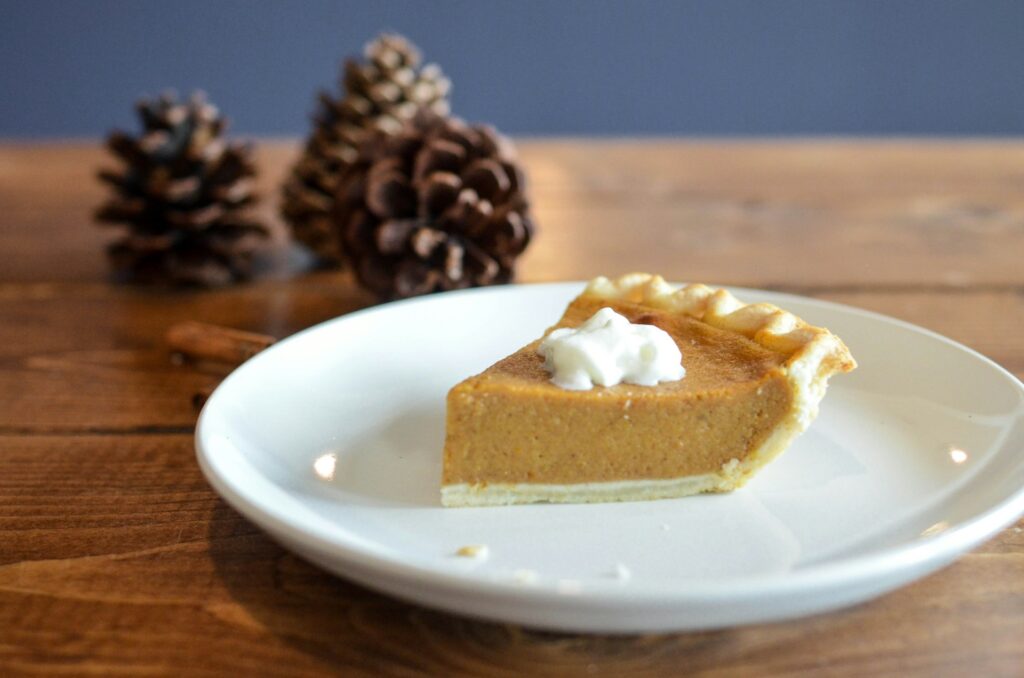
While the natural variety comes right from the ingredients, the human-made ones may be able to capture the pie’s caramelized sugar and baked crust. Labs can locate molecules in unlikely sources that produce that effect, which can take a seasonal offering from seeming like the original to fully emulating it. That could be why artificial flavors are still more popular than natural ones.
Since they’re made in a lab, it’s also possible to manipulate the additives to create a different flavor. When making cherry-flavored food, for instance, manufacturers will include between five and 10 chemical flavors, based on whether the intended effect is a candy-like cherry or a woodsy black cherry. That precision allows repeatability, while natural flavorings can vary by harvesting method or crop growth. Some are even using AI to create new ones based on analysis of millions of pairings, as well as predicting consumer reactions.
Smell also has a lot to do with your brain. Of course, the brain processes the input it receives from the nose, but the scent often pairs with a memory someone can recall when they smell it again.
Back in 1935, psychologist Donald Laird wrote a paper on this very phenomenon. He and his colleagues asked 254 people about instances where smells took them back to something that happened to them. The response was hundreds of stories where people discussed everything from perfume bringing back memories of a school dance to wool reminding them of a loved one. In one instance, someone whose father worked in a sawmill reported that the sight of sawdust did nothing, but the smell helped him visualize his past.
In that research, Laird also noted that these reflections weren’t just a person remembering something random. They were often intense moments, which modern scientists theorize is due to the path scent signals take in the brain.
They start in the olfactory bulb in the nose, then move to the olfactory cortex, where the smell is identified. The signals also go through the amygdala — which is the part of the brain that generates emotion — and the hippocampus, where memories are stored. Smell is the only sense that doesn’t first travel through the thalamus, which processes sensory input. This means the human brain has evolved to associate smells with deeper, more emotional memories.
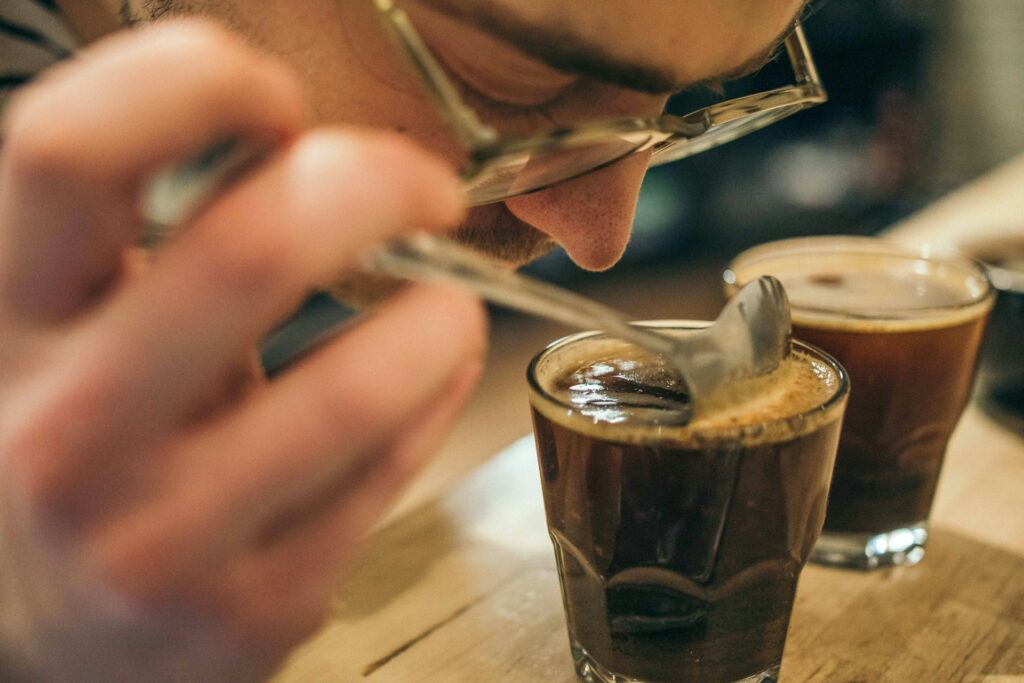
Because smell connects so closely to memory, it makes sense that many shoppers get so excited when pumpkin-spice-scented items make their reappearance. For one, it’s the only time of year it’s commonly available, and that scarcity-driven marketing is notably effective. However, there’s also the association with the season.
According to one survey, 41% of Americans chose fall as their favorite season. It’s the time when the leaves turn gorgeous colors, bundling up in cozy clothing is often necessary and holiday festivities are just around the corner. While some people just like the smell or taste, for others, it’s a reminder of the memories they made picking apples or carving pumpkins.
Pumpkin spice has exploded in popularity in recent years thanks to the “limited time only” effect, businesses crafting the perfect flavorings and scents, and scent-based memory. These psychological, biological and chemical factors create a frenzied rush in certain consumers to buy before it’s gone. However, there are plenty who simply love the comforting feeling it brings.
Revolutionized is reader-supported. When you buy through links on our site, we may earn an affiliate commision. Learn more here.
This site uses Akismet to reduce spam. Learn how your comment data is processed.