




 By Revolutionized Team


Revolutionized is reader-supported. When you buy through links on our site, we may earn an affiliate commision. Learn more here.
Until now, weight loss required a disciplined diet, a consistent workout routine, good genetics and some luck. Now, thanks to science, all it takes is a weekly injection. Could this breakthrough solve the country’s obesity epidemic, or is it too good to be true?
In the United States, the prevalence of obesity hovers around 40%, representing a significant public health issue that has concerned policymakers, physicians and clinical scientists for decades. Traditional weight management approaches — caloric restriction, increased physical activity and behavioral modification — have demonstrated limited long-term efficacy as population-level interventions.
Glucagon-like peptide-1 (GLP-1) receptor agonists represent a new class of weight-loss medications demonstrating substantial promise. Unlike prior pharmacological interventions that targeted peripheral metabolism or appetite suppression through blunt mechanisms, GLP-1 agonists leverage the body’s existing hormonal signaling pathways to regulate satiety.
The science behind how weight-loss injections work centers on mimicking hormones that regulate appetite and metabolic function.
GLP-1 receptor agonists lower blood sugar levels and promote weight loss by mimicking the effects of natural hormones. Semaglutide, the active ingredient in Ozempic, Wegovy and Victoza, replicates GLP-1. This natural hormone plays a key role in regulating appetite.
Most weight-loss drugs are injectable medications administered via subcutaneous injection into fatty tissue just under the skin, such as the stomach or outer thigh. Research on how semaglutide works reveals the compound directly stimulates GLP-1 receptors that communicate with the vagus nerve, which connects the brain to the digestive system.
This neural pathway generates satiety signals that reduce hunger. The medications also act on dopamine-linked reward centers in the brain, effectively dampening food noise — the persistent cognitive preoccupation with eating. GLP-1 levels rise slowly, then spike to signal fullness.
The rate of weight loss depends on starting weight, dosage escalation and individual metabolic response. Patients typically start on a low dose that gradually increases over several weeks to months, and the medications are intended for long-term use rather than short-term intervention.
Clinical data on real-world weight-loss outcomes demonstrate significant efficacy. Tirzepatide users lost 32 pounds on average over one year, while semaglutide users lost an average of 38 pounds. These results substantially exceed those achieved with conventional weight-loss programs, which typically yield 5% to 10% body weight reduction.
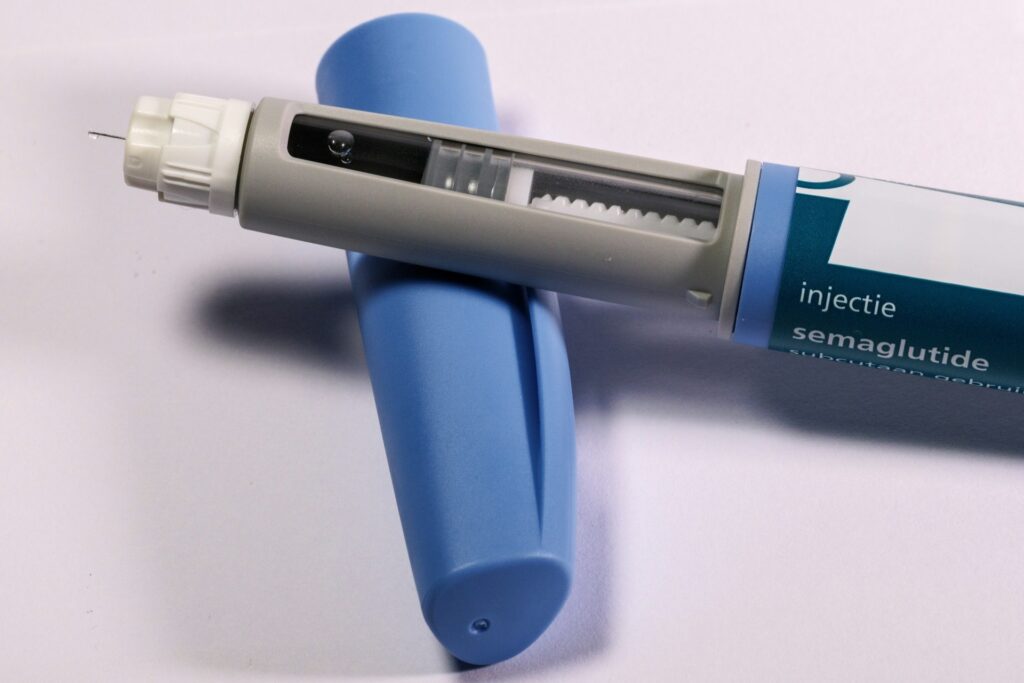
Prescriptions for GLP-1 agonists cost anywhere from $100 to $1,000 per month, depending on insurance coverage, co-payments and the medication brand. Economic barriers represent a significant constraint on accessibility.
One study found that 40% of GLP-1 prescriptions go unfilled, likely due to their high cost. Even with insurance coverage, out-of-pocket costs average $71.90 per prescription, which lasts just one month. Many patients pay $100 or more. For uninsured individuals, monthly costs can reach $900.
GLP-1 receptor agonists are not miracle drugs without trade-offs. Clinical and post-market data have identified drawbacks that patients and providers must weigh against benefits.
Common side effects include nausea, bloating and digestive disturbances. These typically diminish as patients acclimate to the medication, though some individuals experience persistent gastrointestinal symptoms that limit tolerability.
Emerging research suggests these drugs are linked to serious gastrointestinal conditions. A study found patients using GLP-1 agonists face a 3.67 times higher risk of stomach paralysis and a 9.09 times higher risk of pancreatitis.
The long-term side effects of weight-loss medication are not yet completely understood, as these drugs have only been widely prescribed for obesity management in recent years. Randomized clinical trials examining efficacy for weight loss were not designed to capture rare gastrointestinal events due to their limited sample sizes and abbreviated follow-up periods.
Cessation of weight-loss injections is typically followed by rapid weight regain. On average, patients regained over 60% of the weight they had lost within one year of discontinuing treatment. The phenomenon suggests that obesity operates as a chronic condition requiring ongoing management rather than a temporary state amenable to short-term correction.
GLP-1 can be prescribed off-label for weight loss, meaning physicians prescribe drugs for weight management despite lacking official approval. For example, Ozempic was designed to help people with diabetes control their blood sugar, not for weight loss.
The FDA has received multiple reports of adverse events from compounded products, some requiring hospitalization. Using unapproved or compounded GLP-1 drugs can be risky for patients, as these formulations bypass the rigorous quality controls and bioequivalence testing.
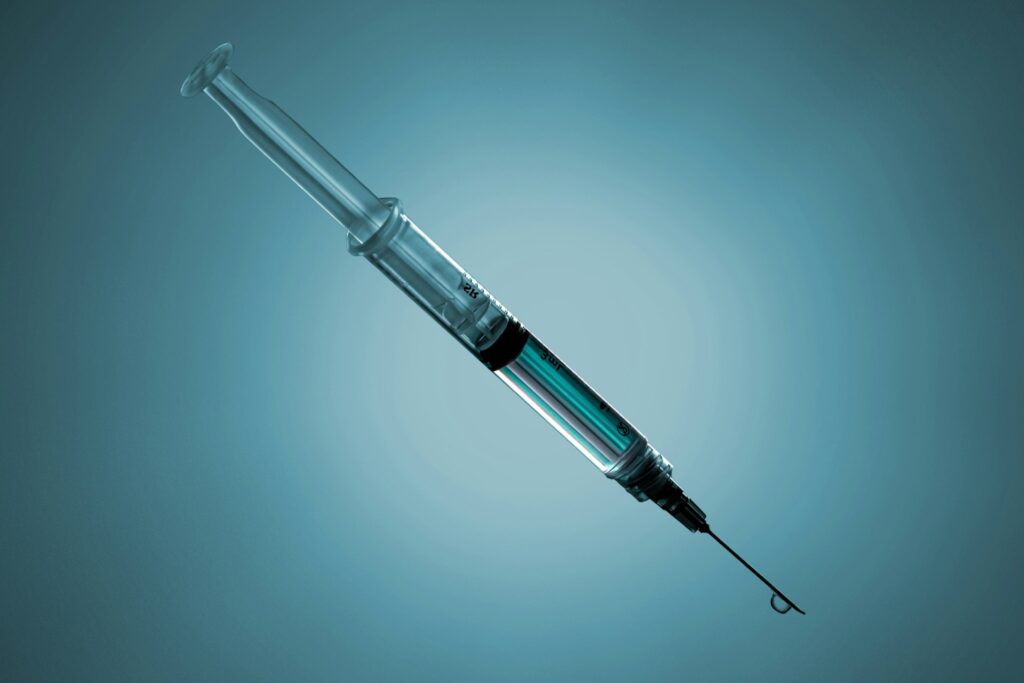
Beyond the molecular innovation of GLP-1 agonists themselves, the delivery mechanisms represent critical technological achievements. Autoinjector pens have simplified administration, allowing patients to self-inject with minimal training. These devices incorporate needle safety features, dose counters and ergonomic designs that improve adherence.
The rigorous gauntlet of pharmaceutical development — from preclinical research through Phase III trials — ensures these medications are safe and effective for the vast majority of people. This multiyear process involves toxicology studies, dose-response characterization and long-term monitoring for adverse effects that may not manifest in early trials.
The clinical trial process that drugs must pass to be approved is extensive. Roughly 30% of drugs fail in the second phase of clinical trials. Despite showing initial promise, once the number of participants scales to several hundred, they run into issues. Weight-loss injections like Ozempic are known to work well because of their success in rigorous clinical trials.
The long-term vision for managing obesity positions it as a chronic disease requiring continuous pharmacological intervention, similar to hypertension or diabetes management. This paradigm shift moves away from episodic weight-loss attempts toward sustained metabolic regulation through ongoing treatment protocols.
The pipeline for next-generation treatments includes dual and triple agonists that target multiple metabolic pathways simultaneously, potentially offering greater efficacy with improved side effect profiles. Pharmaceutical companies are also developing oral formulations to replace injectable administration, which may improve patient adherence and expand accessibility.
However, the pharmaceutical supply chain faces significant vulnerabilities, particularly in the cold chain required for biologics like GLP-1 medications. Temperature excursions during storage or transport can degrade active pharmaceutical ingredients, rendering treatments ineffective or unsafe.
In addition to affecting patients, supply chain disruptions can cost companies up to 38% of their annual earnings, creating financial and logistical barriers that ultimately affect patient access and raise medication prices.
These are the most common questions patients and clinicians ask about GLP-1 receptor agonists for weight management.
Individuals typically lose 10% to 20% of their body weight on GLP-1 medications. The amount varies depending on their original weight and dosage. However, once individuals stop the injections, they rapidly regain most of the weight they initially lost.
Since weight-loss injections mimic existing GLP-1 agonists, they start working right away. However, it may take weeks or months to lose a significant amount of weight, depending on the person’s body weight and starting dose.
People may experience nausea, vomiting, pain at the injection site, sulfur burps and constipation. In rare cases, they may experience bowel obstructions, pancreatitis or stomach paralysis.
This breakthrough in weight-loss management will spur even more research in this field. Soon, people may only need to occasionally take a small pill to maintain their ideal weight with minimal side effects.
As these medications become more accessible through improved manufacturing capacity and expanded insurance coverage, adoption may increase further. Patients considering these treatments should understand dosing timelines, potential side effects and the long-term commitment required for sustained results.
Revolutionized is reader-supported. When you buy through links on our site, we may earn an affiliate commision. Learn more here.

This site uses Akismet to reduce spam. Learn how your comment data is processed.