




 By Revolutionized Team

Revolutionized is reader-supported. When you buy through links on our site, we may earn an affiliate commision. Learn more here.
Single-board computers have immense customization potential and versatility. Some of the most popular are the Raspberry Pi and Banana Pi M5 models. While they can provide many of the same benefits, there are mechanical and technical differences that could make or break your decision to invest. Learn more about the Banana Pi M5 vs. the Raspberry Pi.
When comparing the two computers, you should focus on their components. This is where you’ll find most of the changes, as opposed to software potential or other features.
However, most people engage with these products because they are computing amateurs. Therefore, the community is essential for growing your skills. From YouTube to Reddit forums, there are countless resources for finagling with your computers, including video tutorials and support threads.
Both are strong and dedicated, and personal experiences vary drastically depending on your involvement and chosen platform of interaction. However, because more people have invested in Raspberry Pi, it has a larger online community, which could make it easier to find support and troubleshooting information.
It may be enticing to choose a product with a more niche community because then it becomes easier to make connections, become known, and impact the hobby’s longevity with a specific product like the Banana Pi M5.
Let’s dive deeper into the finer details of the Banana Pi M5.
One of this computer’s draws is its higher performance. A nicer processor and higher RAM capacity empower the 1.91GHz Quad-Core Amlogic S905X3 Cortex-A55 CPU and 650MHz GPU. It also has eMMC storage, which is more advanced and dependable than microSDs alone. These combined make the computer better at handling more demanding tasks.
It also comes with four USB 3.0 ports compared to the Raspberry Pi 4’s two — though the latter also has two 2.0 ports.
Software support and setup can be a bit more confusing and limited than the Raspberry Pi. The latter is more self-explanatory and has more operating system variability. Some even come with pre-installed official software that M5 users may not be able to enjoy.
The M5 is also slightly heavier in size and weight compared to the Raspberry Pi 4, boasting a slightly longer and wider frame and weighing a few grams more.
Finally, the M5 is slightly pricier than its competitors, but not by much that it would break the bank. You could also look into the Banana Pi BPI-M6 if you’re interested in something more akin to other Raspberry Pi models.
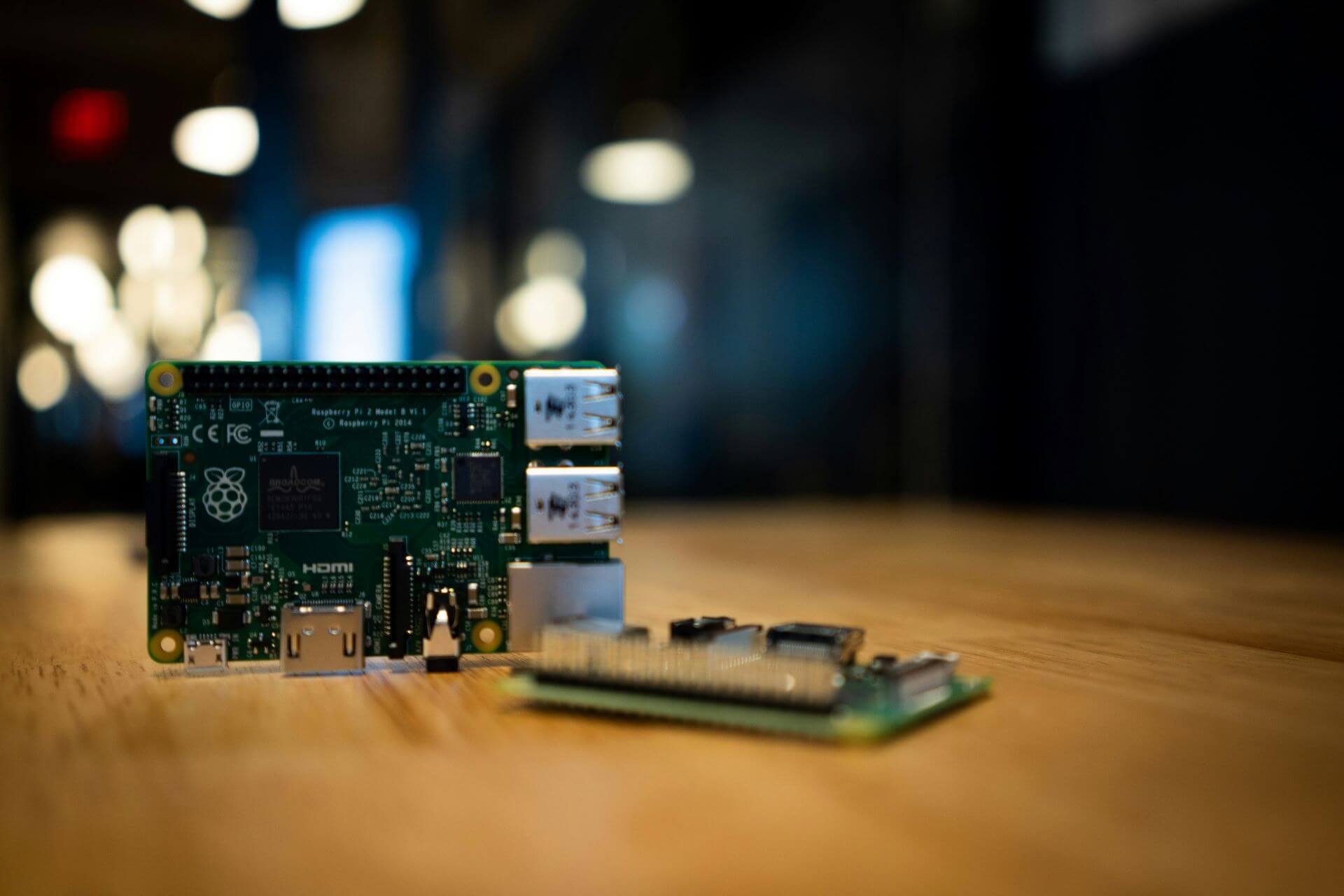
Here are the generalized pros and cons for different versions of the Raspberry Pi.
The biggest draw to a Raspberry Pi is its community. It is extremely active and supportive, ranging from every degree of tech literacy. It has a certain accessibility about it that other computers of similar scope fail to obtain. The resources are unparalleled, and they set the foundation for this kind of hobby.
Its software library is also highly extensive. You will not run into many compatibility and interoperability concerns here, and even if there are problems, there is always someone in the community ready with a fix or viable alternative. More networking options are available too, with Ethernet, WLAN and Bluetooth ready to use.
Finally, the lower price reduces the barrier to entry. It isn’t even that much of an investment for someone who is considering just dabbling with it. A hobbyist could get $50 worth out of it for a few weeks of tinkering, and expert-level users will see it as one of the most inexpensive products for the value it gives.
The Banana Pi is a competitor because it appeals to those with a more refined taste for performance and technical upgrades. The 1.5GHz Quad-Core Broadcom BCM2711 Cortex-A72 CPU and 500MHz GPU of the Model 4 are simply not as powerful as the M5.
The Raspberry Pi also uses more power and averages higher temperatures than the M5. If you’re tech-savvy, there are ways around this, but it could be a concern for projects demanding intense computing.
Determining which one to buy depends on your priorities. If you want a vast library of software and lots of people to chat with about projects, the Raspberry Pi is the best option. However, the M5 could give you the processing and functional abilities of higher-grade tech. You may be able to do more complex projects like mining cryptocurrency or audio encoding with it and enjoy a more tight-knit community of growing resources that you can contribute to.
No matter your level of computing knowledge, single-board computers are becoming all the rage. Experimenting with them is a fun way to engage in basic computing knowledge and increase tech literacy through the support of countless free online resources. When it comes to choosing the best one for your purposes, either the Banana or Raspberry Pi models will serve you.
Revolutionized is reader-supported. When you buy through links on our site, we may earn an affiliate commision. Learn more here.

This site uses Akismet to reduce spam. Learn how your comment data is processed.