




 By Lou Farrell

Revolutionized is reader-supported. When you buy through links on our site, we may earn an affiliate commision. Learn more here.
Natural gas production stands at a technological crossroads. While the industry contends with regulatory scrutiny over methane emissions and finite reserves, a convergence of robotics, artificial intelligence and digital analytics is reshaping what cleaner energy extraction looks like.
The question isn’t so much about whether natural gas can transition from environmental liability to a viable bridge fuel as about whether emerging mitigation technologies can scale fast enough to matter.
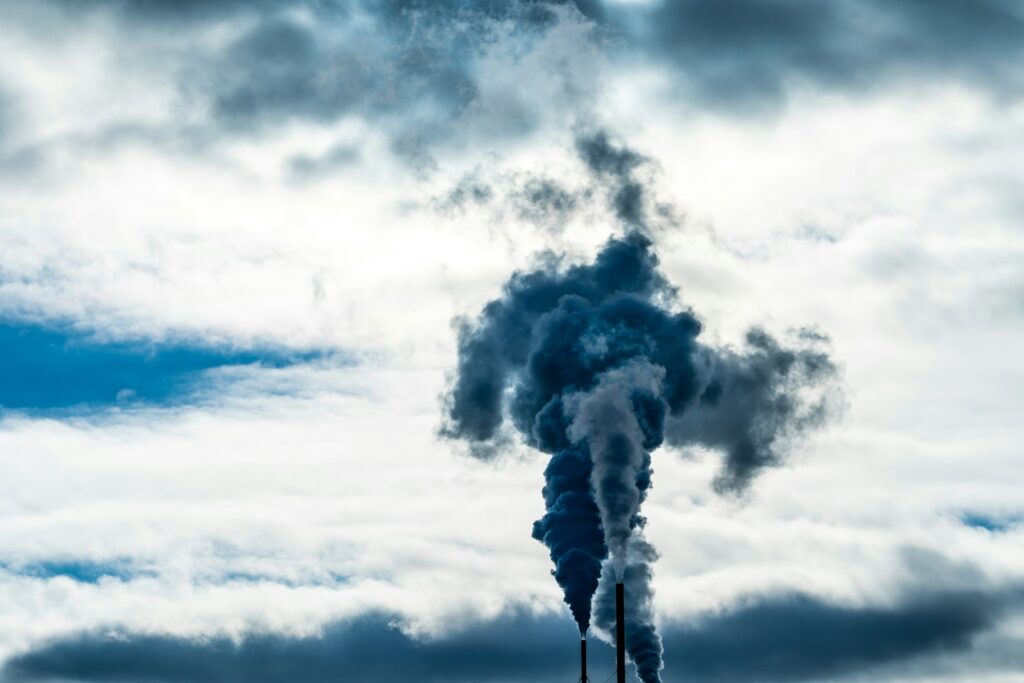
Methane represents one of the most urgent environmental challenges in energy extraction. As a greenhouse gas, methane traps 80 times more heat than carbon dioxide over 20 years, making even small leaks disproportionately harmful.
The sheer volume compounds the problem, as fugitive pipeline leaks release nearly 6 million tons of methane annually, accounting for roughly 30% of global warming attributable to greenhouse gas emissions.
Leakages occur throughout the entire distribution network, from wellhead extraction to processing facilities and end-user delivery systems. However, the cumulative effect extends beyond direct emissions, as methane also contributes to ground-level ozone formation, creating compounding environmental and public health concerns.
The federal government has recognized the severity of this issue and has awarded about $397 million in funding to advance methane mitigation technologies. This investment targets methane quantification and the development of technology to detect and measure emissions across the oil and natural gas value chain. It also advances methane mitigation through novel solutions that reduce emissions at their source.
Together, these research priorities aim to address both the measurement and intervention gaps that have historically limited effective methane management.
Natural gas remains controversial in energy policy. Proponents view it as a bridge fuel that can ease the transition to renewables while delivering reliable baseload power. Meanwhile, critics argue this overlooks the fundamental reality that natural gas comes from finite fossil deposits, with the U.S. holding approximately 90 years of reserves at current extraction rates.
Whether natural gas works as a transitional fuel hinges on how cleanly the industry manages extraction, processing and distribution. As countries shift away from coal and industrial sectors expand usage, demand could accelerate significantly.
Population growth compounds this pressure, potentially outpacing efficiency gains. Without rapid deployment of detection and mitigation technologies, environmental impacts may worsen, undermining the transitional-fuel argument.
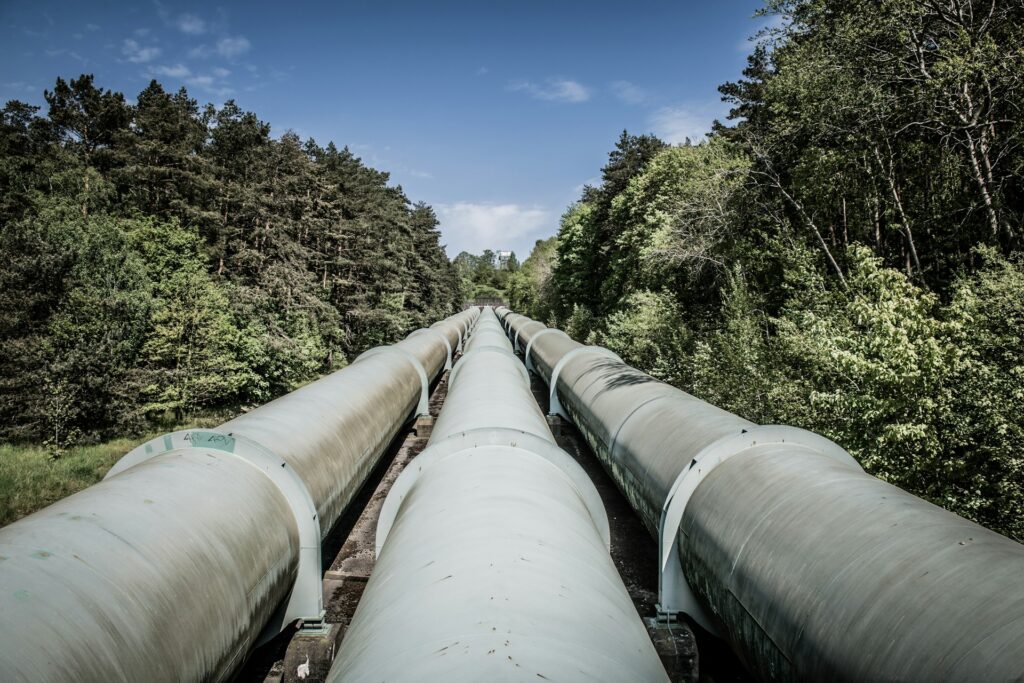
Hardware solutions represent the frontline defense against methane leakage, with robotics and advanced sensor networks offering the precision needed to identify and quantify emissions at scale. The SPIRo project from MIT, in particular, demonstrates how robotic inspection systems can achieve field-ready accuracy.
Testing shows the system can detect leaks with 95% accuracy in real-world conditions. SPIRo’s design also addresses practical deployment challenges that have limited the effectiveness of previous detection technologies. Its non-intrusive operation allows inspection without disrupting pipeline function, a critical advantage over methods requiring shutdowns or service interruptions.
Most impressive, the system’s lightweight machine learning architecture processes multiple data streams simultaneously. By integrating thermal imaging with gas sensor data, SPIRo achieves real-time leak detection with high redundancy and accuracy. This capability matters because the national distribution network experiences significant leaks every hour, requiring constant vigilance and rapid response capabilities.
Additionally, the compact design navigates complex pipeline configurations and confined spaces that larger inspection equipment cannot access. With built-in thermal cameras and gas sensors, the robot operates underground where roughly 80% of pipeline infrastructure resides and continues functioning at night when many inspection teams cannot work safely.
Physical detection hardware generates value only when paired with sophisticated data analytics and operational intelligence. The digital oil field market reflects industry recognition of this reality, with projections showing the sector will reach $47.85 billion by 2033 as operators invest in integrated monitoring and control systems.
Digital twin technologies form the analytical backbone of next-generation natural gas operations. These virtual replicas enable operators to model energy use patterns, identify inefficiencies before they manifest as emissions or equipment failures and anticipate component degradation.
This predictive capability minimizes unplanned shutdowns and ensures machinery operates at optimal capacity, while also facilitating scenario planning that would be impractical or dangerous to test in physical systems.
The next frontier of digital transformation involves hyper-local sensor networks, which can pinpoint emissions sources to within 100 meters for more precise detection. This granularity shifts leak response from reactive containment to proactive prevention. When operators can identify and characterize emissions at this resolution, they can prioritize interventions based on actual environmental impact rather than proxy indicators.
Natural gas production raises critical questions about environmental viability and technological solutions — the following addresses common concerns about methane emissions and emerging mitigation strategies.
Methane is a potent greenhouse gas that traps significantly more heat in the atmosphere than carbon dioxide over shorter time periods. Pipeline leaks and fugitive emissions from extraction and distribution contribute substantially to global warming. Even minor emissions create disproportionate environmental damage compared to other fossil fuel extraction processes.
Robotic inspection systems combine thermal imaging and gas sensors to achieve high accuracy in underground pipeline detection. Digital twin technologies model consumption patterns and predict maintenance needs before problems escalate into emissions events. Hyper-local sensor networks enable targeted intervention by pinpointing leak sources with unprecedented precision.
Technology can significantly reduce but not eliminate the environmental footprint of natural gas extraction. Whether these improvements make natural gas viable as a bridge fuel depends on deployment speed, regulatory enforcement and the rate at which renewable alternatives achieve grid-scale reliability. The technical capabilities exist, yet implementation remains the constraint.
The convergence of robotic detection systems and predictive analytics creates the foundation for substantially cleaner natural gas production. Hardware delivers the precision while digital intelligence supplies the strategic judgment needed to minimize emissions. This combination doesn’t resolve the fundamental tension between fossil fuel dependence and climate goals, but it does make the transitional period measurably less damaging.
Revolutionized is reader-supported. When you buy through links on our site, we may earn an affiliate commision. Learn more here.

This site uses Akismet to reduce spam. Learn how your comment data is processed.