




 By Emily Newton

Revolutionized is reader-supported. When you buy through links on our site, we may earn an affiliate commision. Learn more here.
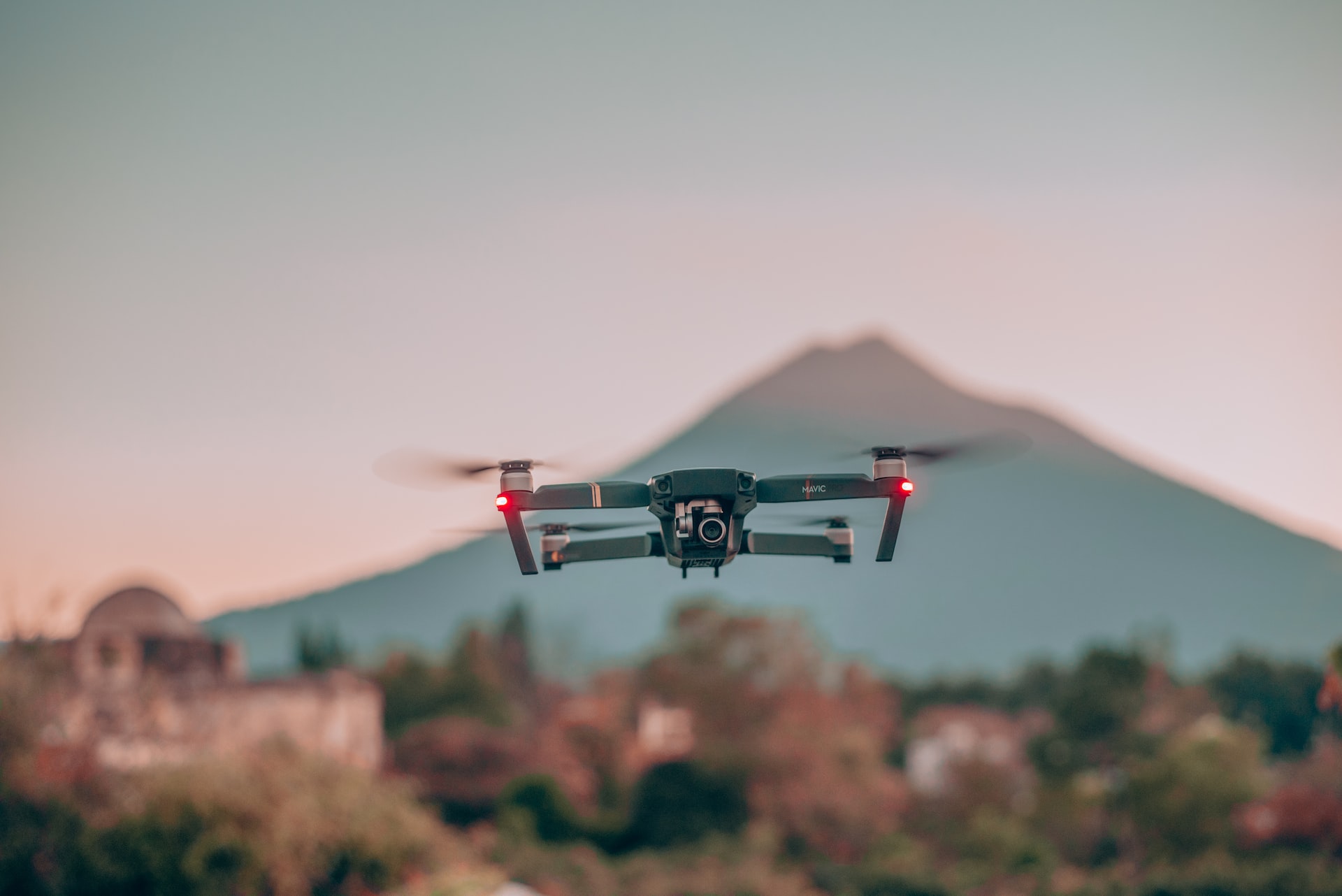
With a population nearing 8 billion people, farming is becoming increasingly essential to human life. The COVID-19 pandemic wreaked havoc worldwide, causing supply chain disruptions in many industries. Agriculture is no stranger to adverse effects, and the industry seeks answers moving forward. One solution could be agricultural spray drones.
Crop-spraying drones are a relatively new technology in the world of agriculture. The idea of using aerial tactics for crop spraying dates back a century ago. In 1921, the state of Ohio directed its department of agriculture to conduct crop dusting with a plane. The pilot, John A. Macready, used a Curtiss JN-6 to fly over a field of crops. This innovation is how crop dusters got their name.
Fast forward a century, and the agricultural industry has evolved. Many farmers still use some form of aerial application for their fields. Nowadays, new technology has become more prevalent with the invention of agricultural spray drones. These crop-spraying machines go back to the 1980s when unmanned aerial vehicle (UAV) technology was rising. Yamaha began selling agricultural spray drones commercially in the early 2000s, and they’ve spread since.
Farmers don’t use these drones widely yet, but they are growing in popularity in places like China. This nation is a world leader in producing many different kinds of crops. From sweet potatoes to rice and wheat, China is an integral food supplier for many countries. With a heavy amount of agricultural production, they’ve turned to agricultural spray drones for help with a rising senior population and a declining rural population.
Between 2007 and 2017, China’s senior population rose by 42.6 million, while the rural population decreased by 140 million. The country has used crop-spraying drones to modernize its agricultural methods. China is the world’s largest producer of civilian drones, and the Chinese use about 13 to 17% of these drones for farming.
In the United States, crop-spraying drones are on the rise as farmers find them helpful. Like China and other countries, the United States has seen a decrease in rural population, but it’s still able to increase its agricultural output. The average American farmer using drones profits off their investment in an agricultural spray drone.
Crop-spraying drones are becoming more prevalent in agriculture worldwide because it has numerous advantages for farmers. For the most part, they make life easier and are an effective way to usher in new technology to keep pace with today’s demand. Some of these advantages include:
There are many incentives for farmers to get agricultural spray drones, but some drawbacks exist. Some of the disadvantages of this technology are:
Crop-spraying drones have made farming easier worldwide. With a population nearing 8 billion people, food demand has increased while rural populations have decreased. These drones make farming more efficient and eco-friendly for the producers and the consumers. Agricultural spray drones seem to be a significant part of agriculture’s future. If they continue to decrease in price, these drones will become more accessible to small farmers and make the food supply chain more efficient.
Revolutionized is reader-supported. When you buy through links on our site, we may earn an affiliate commision. Learn more here.

This site uses Akismet to reduce spam. Learn how your comment data is processed.