




 By Revolutionized Team


Revolutionized is reader-supported. When you buy through links on our site, we may earn an affiliate commision. Learn more here.
Many trucking companies have streamlined operations with digital freight brokerage platforms, reducing costs and accelerating deliveries. With artificial intelligence, they could potentially reap even more benefits, eliminating empty miles from the supply chain entirely.
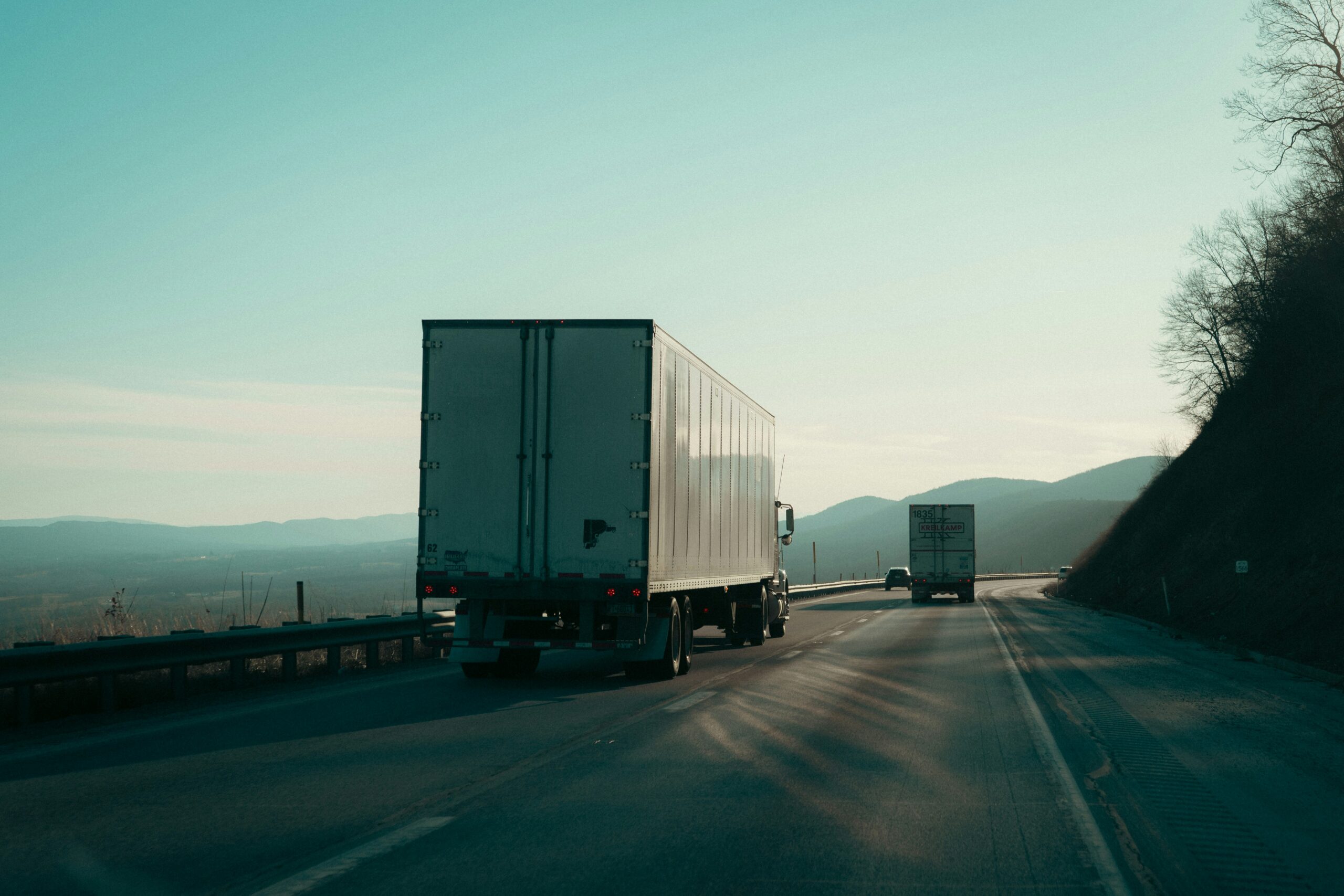
Deadhead miles refer to the mileage truckers accumulate while driving without paying cargo. Driving an empty load to return to base or reposition after a delivery costs fuel, time and indirect expenses associated with wear and tear.
Since empty miles do not generate revenue, they are best avoided. However, most trucking entities consider them unavoidable. Inefficient scheduling, poor route planning, delayed appointments or difficulty finding backhauls can force them to drive with empty loads. According to the 2024 Analysis of the Operational Costs of Trucking from the American Transportation Research Institute, deadhead mileage increased to 16.3% on average for all nontank operations.
Generally, the longer the distance, the higher the costs. With diesel at $3.76 per gallon, a truck averaging 7 miles per gallon (mpg) will cost about $0.54 per mile. A 100-mile deadhead will take $54 in fuel alone. Factoring in wear and tear, the cost would be approximately $74. Multiply that by every vehicle in the fleet, and these expenses add up fast.
Trucking brands of all sizes travel without cargo. Many only run in one direction, so empty miles account for half their trips. With low freight rates straining profitability, they may not be able to afford to deadhead. What if there was another way? With an AI-powered digital freight brokerage platform, there might be.
Unprofitable empty miles are thought to be unavoidable. Drivers cannot always backhaul when repositioning or returning home, after all. However, AI could transform logistics, eliminating deadheading from shippers’ vocabulary.
Digital freight brokerage connects shippers with available carriers, streamlining freight matching. AI can intelligently automate back-office tasks such as pricing and booking, making the process more seamless.
AI-powered freight matching can automatically connect shippers with cargo to carriers with trucks, simplifying route planning and freight consolidation. This is not hypothetical — some businesses have already implemented this technology. For instance, digital freight brokerage platform Uber Freight is actively utilizing AI for intelligent route planning.
Trucking companies can use this technology to line up loads, limiting their deadhead mileage to a few hundred miles per day. Uber Freight CEO Lior Ron said it reduced empty miles by 10% to 15% by algorithmically identifying optimal routes.
Since machine learning models evolve with new data, industry professionals can train them to automate or optimize virtually any supply chain application.
Deadheading can be strategic. Say a driver in Chicago takes a $1.30-per-mile run to rural Nebraska. Once there, freight is almost nonexistent, and they would burn hundreds of miles repositioning, leaving little net revenue. It would be better to deadhead a few hundred miles to a more dense market and book a 700-mile load at double that rate.
For less-than-truckload freight, 150 pounds is the minimum weight to ship. A single semitruck trailer typically weighs up to 10,000 pounds when transporting cargo. Since cargo weight impacts fuel efficiency and lowers mpg, it can be more cost-effective to deadhead. AI can make this determination, eliminating the need for humans to calculate costs.
When integrated into transportation management systems or freight load boards, AI enables advanced route planning and freight consolidation. It can match backhaulers and help book loads based on live appointment windows, truck locations and cargo types.
A machine learning model can inform long-term supply chain strategies. Analyzing idle time, route and freight matching data can help maintain trailer pools or identify optimal carrier facility locations. If businesses pool the insights generated by AI in digital freight brokerage, they could transform the world’s supply chains.
Shared truckload shipping can reduce the risk of missed delivery windows drastically. However, truckers have to decide which available assets can travel in the same truck, and fragile and heavy items do not mix. Also, they often have to determine which arrangement is most efficient.
AI can automate the process, eliminating the need for humans to spend hours poring over spreadsheets to find matches. By reviewing routes, container capacity and shipment types, it can optimize partially full and deadhead trips.
Digital freight brokerages can streamline freight matching, making it faster and more cost-effective. Integrating AI enables professionals to route trucks so that their trailers are full more often than not. As more trucking enterprises digitalize, this technology’s role in the future of freight becomes increasingly apparent.
Revolutionized is reader-supported. When you buy through links on our site, we may earn an affiliate commision. Learn more here.



This site uses Akismet to reduce spam. Learn how your comment data is processed.