



 By Ellie Gabel


Revolutionized is reader-supported. When you buy through links on our site, we may earn an affiliate commision. Learn more here.
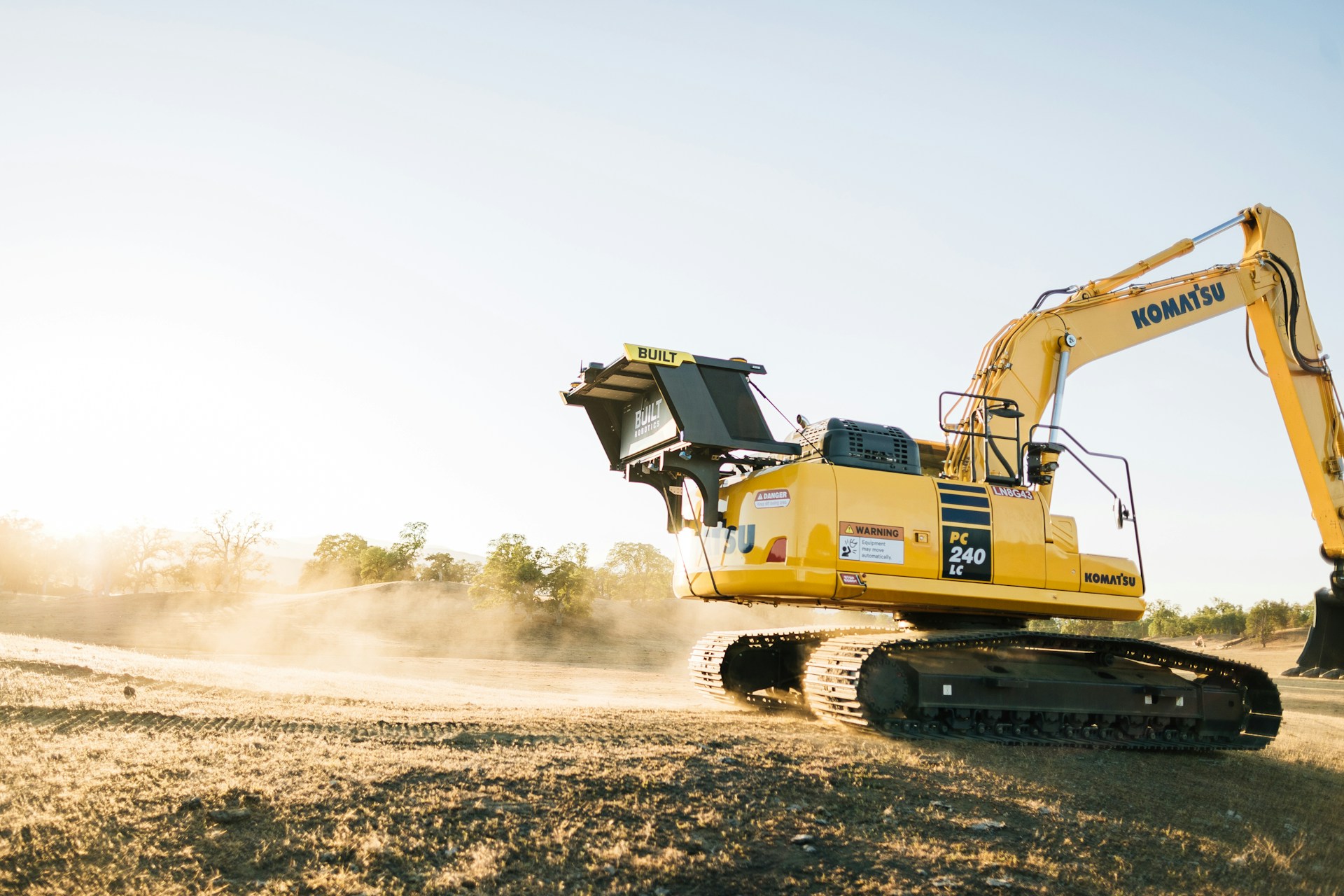
The construction sector is grappling with a labor crisis that threatens to stall projects and limit industry expansion. Faced with fewer personnel to meet rising demand, contractors increasingly turn to construction automation and robotics as practical solutions rather than experimental upgrades. These advanced machines now handle everything from bricklaying to demolition, fundamentally reshaping how projects move from blueprint to completion.

Finding skilled personnel has become a critical challenge across the industry. The construction sector must hire 456,000 additional workers by 2027 to keep pace as spending growth resumes, which means attracting an estimated 349,000 net new workers in 2026 just to handle current service levels.
An aging workforce preparing for retirement drives much of the shortage, though stricter immigration enforcement, elevated material costs, new tariffs, shifting office vacancy rates, and rapid technological evolution also contribute. Firms lacking enough hands to complete projects on time face delayed timelines that cascade through entire development schedules.
Fortunately, robotics offers a viable path forward by taking on repetitive, physically demanding work that has become harder to staff with traditional crews.
Rather than deploy general-purpose machines, companies are choosing purpose-built robots designed for specific tasks. Addressing specific bottlenecks where skilled labor is scarce, these specialized systems deliver precision that manual methods consistently struggle to match.
Startups now integrate multiple robots for blockwork and partition-wall applications, including autonomous mobile units engineered for material handling and block laying. While constructing walls up to 4 meters wide and 3 meters tall, advanced block-laying systems can place units weighing up to 40 kilograms with remarkable consistency.
Driving these capabilities, the underlying software relies on hierarchical task network planning, which performs iterative simulation cycles to validate plans based on both time constraints and cost parameters. These material handlers coordinate with laying units to maintain a steady workflow without constant human oversight.
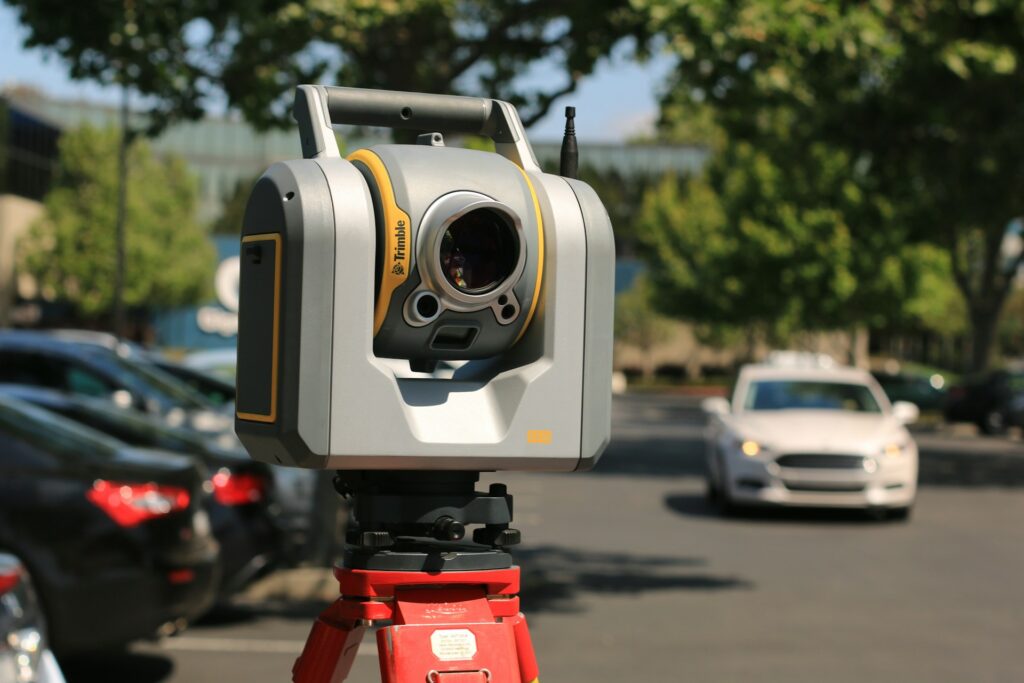
Reality capture has transformed site mapping by eliminating much of the manual labor traditionally required for preparation phases. Using light detection and ranging (LiDAR) capabilities, this approach creates accurate 3D point clouds of terrains and structures, offering vital advancements for architecture and urban planning workflows.
Because LiDAR facilitates surveying for construction sites, monitoring progress throughout the project life cycle, and detecting clashes between planned elements before installation begins, drone-mounted systems equipped with this capability can collect spatial data across large areas in hours rather than days. The information feeds directly into digital planning platforms that coordinate downstream activities.
Where human presence creates unacceptable risk in hazardous demolition zones, compact, remote-controlled robots excel at work that would otherwise require extensive safety protocols for crew entry. Operating from safe distances, personnel command machines that handle high-risk materials and environments, including toxic areas and confined spaces.
Advanced operational interfaces give these operators precise authority over cutting, breaking, and material-handling functions, while safety certifications ensure the equipment meets strict standards for working in unpredictable conditions.
Robotics hardware relies on artificial intelligence (AI) paired with detection arrays to navigate jobsites where conditions change throughout the day. Cameras provide environmental mapping and object recognition capabilities, while additional sensors track proximity and detect pressure to prevent equipment from damaging materials or colliding with obstacles. The combined systems capture data within specific environments that inform each movement and adjustment robots make during operations.
Jobsites evolve as work progresses, with crews repositioning materials and different trades operating in overlapping areas. What functioned smoothly in the morning may need recalibration by afternoon as priorities shift.
Algorithms struggle with such fluidity, which is why human-robot collaboration ensures effective operations on most projects. Equipment handles the physical execution while workers apply judgment to emerging problems, redirect efforts when plans change, and make strategic calls that software cannot anticipate.
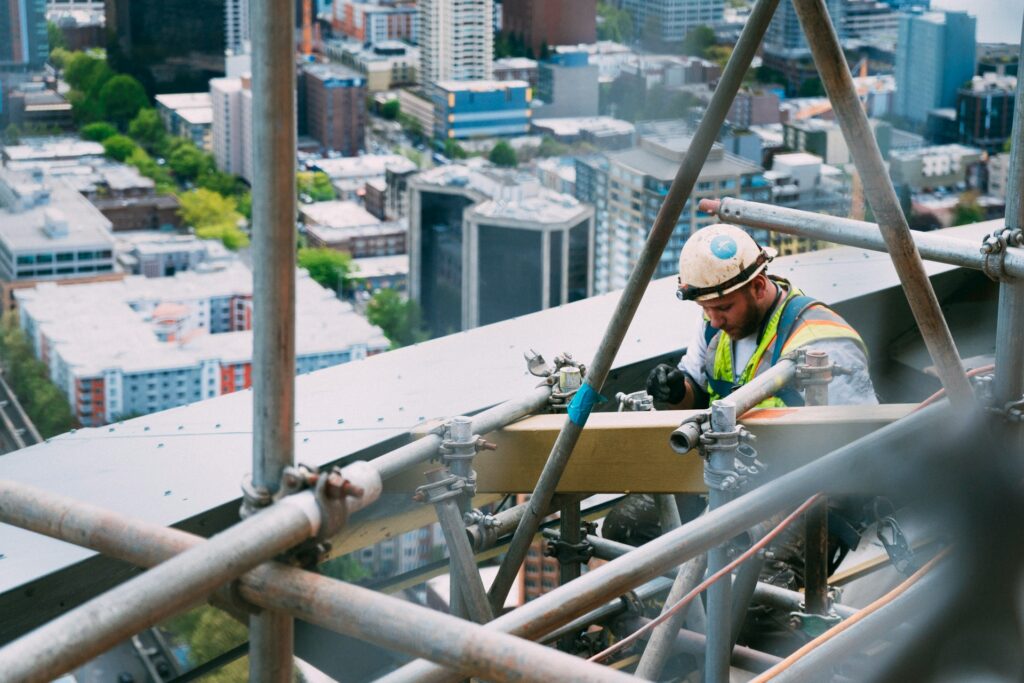
Accounting for 20% of workplace deaths globally, construction ranks among the world’s most dangerous industries. Robotics directly addresses this challenge by removing personnel from hazardous scenarios.
Machines assist with risky work, such as installing anchor bolts in tall elevator shafts, allowing crews to work faster and more safely while maintaining quality standards. Evidence shows these systems reduce dangerous tasks by 72% on average, delivering measurable safety improvements across active jobsites.
Consistent output rates without fatigue also enable around-the-clock activity when schedules demand accelerated completion. Precision improvements reduce material waste, lowering costs while supporting sustainability goals. Real-time information collection from detection arrays feeds into project management platforms, giving supervisors better visibility into progress and potential delays before they compound.
As robotic adoption in construction accelerates, common questions arise about implementation and impact across the industry. Understanding these applications helps clarify how the technology integrates with existing workflows.
By handling repetitive, physically demanding assignments that have become difficult to staff with traditional crews, robots enable available personnel to focus on skilled work that requires human judgment. Automated equipment maintains consistent output without the limitations imposed by workforce scarcity, helping firms meet project demands even when hiring remains challenging.
Current deployments include robotic bricklayers for blockwork, autonomous drones equipped with LiDAR for surveying and progress monitoring, and remote-controlled demolition machines for hazardous zones. Each addresses specific bottlenecks where skilled labor proves scarce or conditions create unacceptable safety risks.
Vision-based cameras enable environmental mapping and object recognition, while proximity and tactile detection equipment support obstacle avoidance and precise material handling. By processing this information to guide autonomous decisions, AI enables effective collaboration between machines and personnel, as building sites evolve unpredictably and rarely maintain fixed routines that software can follow reliably.
Labor constraints have transformed construction automation from novelty to necessity. Collaborating with human crews, robotics now delivers safer, more efficient projects while addressing workforce gaps that traditional hiring cannot fill. As the industry continues building a data-driven future where machines handle physical strain and humans provide strategic oversight, this partnership reshapes what’s possible on jobsites worldwide.
Revolutionized is reader-supported. When you buy through links on our site, we may earn an affiliate commision. Learn more here.

This site uses Akismet to reduce spam. Learn how your comment data is processed.