



 By Lou Farrell


Revolutionized is reader-supported. When you buy through links on our site, we may earn an affiliate commision. Learn more here.
While Mars and Mercury sit as geological corpses with frozen interiors, this planet pulses with relentless motion. The difference lies deep below where the Earth’s core and surrounding layers churn in a perpetual dance of heat and geochemistry. This planetary engine scrubs toxic gases and fuels hydrothermal vents teeming with life, while maintaining the delicate balance separating vibrant worlds from barren rocks.
Immense thermal energy drives convection currents that have shaped continents and oceans for billions of years, radiating outward to create temperature gradients that intensify with depth and reach extremes capable of melting rock. Near the boundary with the overlying crust, heat becomes intense enough to soften solid stone into pliable flows.
Deeper down, intensifying pressure and heat drive elements to behave unexpectedly and minerals to adopt impossible crystal structures. Where the molten outer region meets the rocky zones above, heat peaks from 1,832° to 6,692° Fahrenheit and generates the driving force behind plate tectonics and volcanic eruptions.
This geothermal gradient follows a predictable pattern, with temperature rising roughly 1°F for every 70 feet of descent through the outer shell. The sustained heat flow prevents solidification into inert zones, maintaining the restless circulation that distinguishes geologically active worlds from dead ones.
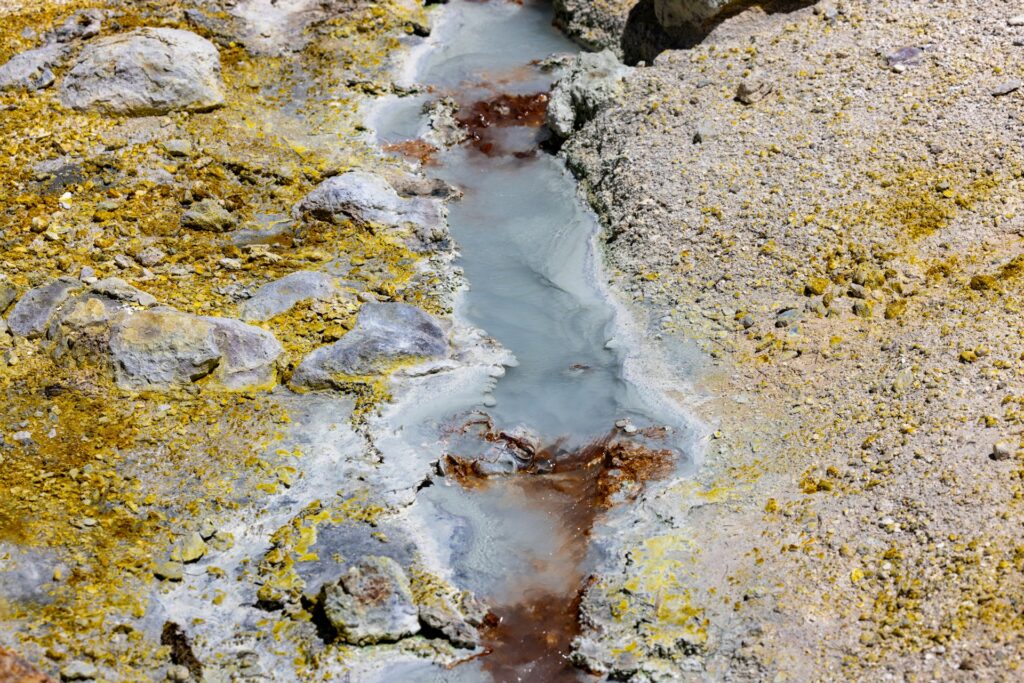
Billions of years ago, during planetary formation, the deepest metallic core began surrendering lighter elements to the overlying silicate ocean. As silicon and magnesium leaked upward from iron-rich depths, they prevented dense materials from settling into rigid zones that would have locked away critical components. Instead, the mixing prevented compositional stratification as temperatures dropped and maintained vigorous convection rather than freezing into isolated shells.
The result shaped volcanic activity, atmospheric composition and the eventual emergence of plate tectonics. By contrast, a homogeneous body would have cooled into immobile slabs unable to recycle materials or regulate greenhouse gases.
Compositional diversity accelerated carbon dioxide removal from the primitive atmosphere. A hydrated, varied subsurface pulled greenhouse gases into mineral reactions and locked them in stable compounds. Research suggests that this atmospheric scrubbing occurred more than 10 times faster than in a uniform body.
Within 160 million years, the process transformed a toxic, Venus-like atmosphere into one where liquid water could persist. This swift transition enabled plate tectonics to begin, further enhancing gas cycling between the subsurface and the atmosphere. The elemental leakage from below proved essential, as atmospheric regulation would otherwise have stalled.
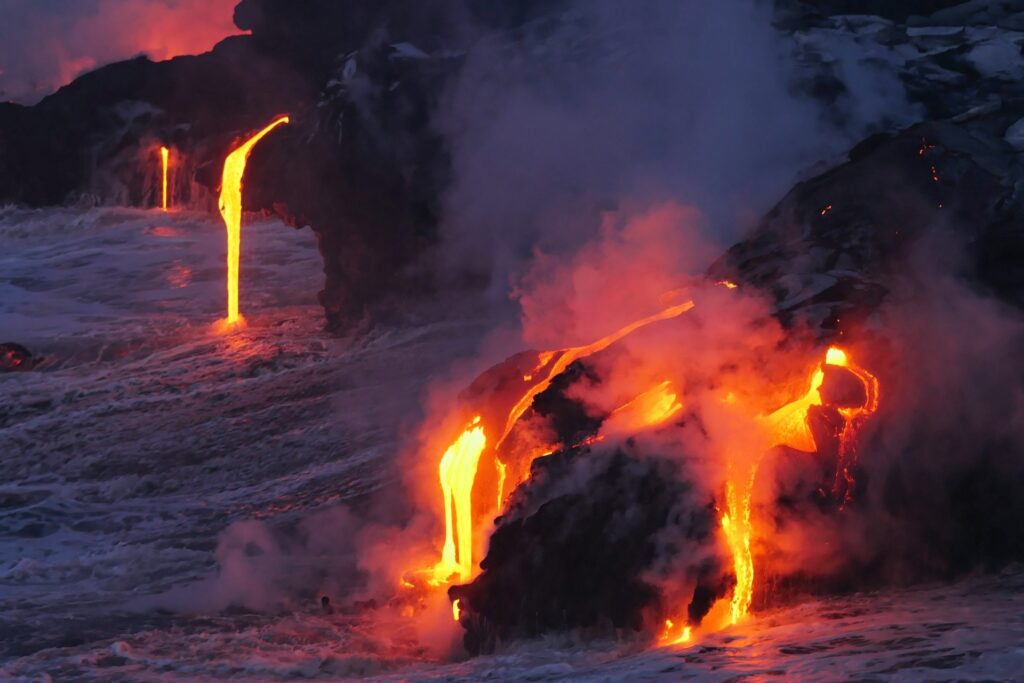
Tectonically active fault systems host dynamic environments where circulating fluids trigger mineral transformations and support thriving ecosystems in complete darkness. Recent expeditions to the Doldrums Megatransform and Fracture Zone in a remote stretch of the Atlantic Ocean uncovered rare hybrid systems that blend typical volcanic activity with serpentinization reactions.
The unusual tectonic plumbing systems showcase two new hydrothermal vents where rocks from deep zones interact with seawater under extreme pressures. When olivine-rich material meets ocean water, reactions strip oxygen from water molecules and release hydrogen gas. The faults host active fluid circulation, hydrothermal venting and mineral precipitation. Entire ecosystems thrive there, fueled by geochemistry rather than sunlight.
Researchers made a breakthrough in 2023 by extracting an almost unbroken section of deep-earth material from beneath the ocean. The team pulled up 1,269 meters of mantle rock through a geological exposure point on the Mid-Atlantic Ridge as part of Expedition 399—”Building Blocks of Life, Atlantis Massif”—using the drilling vessel JOIDES Resolution.
This remarkable sample reveals how minerals such as olivine and pyroxene transform as ocean water seeps through seafloor fractures. The specimens show clear evidence of serpentinization, capturing the creation of hydrogen and the incorporation of carbon at depths far beyond where typical life forms can exist.
The transformation fuels the movement of hydrogen and carbon through Earth’s systems. It also supplies energy and raw materials to microbes anchoring food webs in the deep ocean, completely disconnected from sunlight-driven processes.
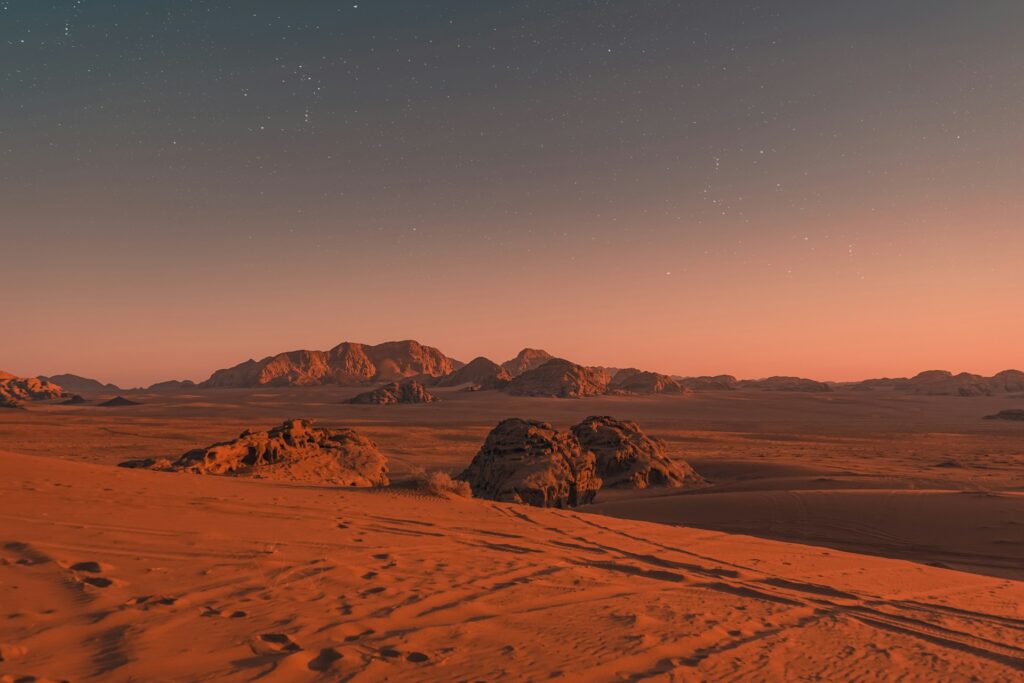
Understanding how Earth’s geochemistry enables life informs the robotic search for habitable environments beyond this planet. Automated probes now investigate whether other worlds possess the geological engines and compositional diversity necessary for biology. The Perseverance rover builds on decades of Mars exploration, seeking elemental ingredients that might uncover signs of life in ancient lake beds and river deltas.
The search extends beyond rocky planets to icy moons orbiting gas giants. For instance, the Europa Clipper, which launched in October 2024 aboard a SpaceX Falcon Heavy rocket, carries instruments designed to study the composition of subsurface oceans sealed beneath kilometers of ice. Tidal forces from Jupiter may generate enough heat to drive hydrothermal circulation in those hidden seas. The environments could mirror Earth’s deep-ocean vents, where serpentinization fuels microbial communities independent of stellar radiation.
These questions address common inquiries about the relationship between planetary interiors and the emergence of habitable conditions.
Restless convection drives plate tectonics, which recycles carbon dioxide and other greenhouse gases between the atmosphere and subsurface reservoirs. At the same time, this planetary thermostat prevents runaway heating or cooling by adjusting gas concentrations over geological timescales.
Compositional heterogeneity enables rapid atmospheric scrubbing that transformed early toxic environments into zones where liquid water could persist and establish the foundation for biological evolution.
Lighter elements migrating upward from the metallic core prevented rigid stratification as the planet cooled, and this mixing maintained compositional diversity, sustaining vigorous convection currents rather than allowing the planet to separate into immobile zones. The result was a geologically active world capable of regulating conditions, rather than a frozen, inert sphere like Mars.
When water infiltrates olivine-rich rocks from deep zones, reactions strip oxygen atoms from water molecules and release hydrogen gas. This process also facilitates carbon fixation and generates organic molecules without sunlight or biological intervention.
Serpentinization creates gradients and building blocks that may have supported the earliest metabolic pathways before photosynthesis evolved and may have made hydrothermal systems the birthplace of terrestrial biology.
Studying the relationship between the Earth’s core and the overlying zones reveals how a restless subsurface transforms barren rock into living worlds. Every hydrothermal vent and tectonic fault represents an active experiment in prebiotic geochemistry, connecting ancient mechanisms to modern ecosystems and guiding the search for life among distant moons and planets.
Revolutionized is reader-supported. When you buy through links on our site, we may earn an affiliate commision. Learn more here.

This site uses Akismet to reduce spam. Learn how your comment data is processed.