




 By Emily Newton


Revolutionized is reader-supported. When you buy through links on our site, we may earn an affiliate commision. Learn more here.
We use elements every single day, even if we don’t realize it. Every time you pick up a fork to eat your breakfast, use toothpaste to brush your teeth and even take a breath, you are using one or more of the 118 elements we’ve currently discovered and classified. Today, we’re going to take a closer look at nonmetals. What are the properties of nonmetals, and where can you find them in your daily life?
Nonmetal is a broad term for a group of elements that don’t really fit anywhere else on the periodic table. They consist of the following:
| Atomic No. 6-8 | Atomic No. 15, 16 & 34 |
|---|---|
| Carbon | Phosphorus |
| Nitrogen | Sulfur |
| Oxygen | Selenium |
Two artificial elements, tennessine and oganesson, may also be considered nonmetals, but more research into the properies of nonmetals is required to determine whether this is true.
The properties of nonmetals vary due to the dramatic differences in these elements. However, they primarily appear as gasses. If they are solid, they are primarily brittle with a submetallic appearance.
Hydrogen is the most abundant element on the planet, followed by oxygen, carbon and nitrogen.
What are the properties of all of these nonmetals, anyway?
Nonmetals tend to have high ionization energies and high electron affinities — they are happy to borrow a few electrons from surrounding elements, and they bond well and frequently with others as well. The only exception to this is nitrogen, which has a negative electron affinity, so it doesn’t like bonding with anything other than itself.
These elements, the ones that are in solid form, have low melting and boiling points. They also don’t conduct heat or electricity very well, unlike metals, which for the most part are good conductors of both.
With as many elements as there are on this list, chances are you’ve encountered more than a few of them during your daily activities. The properties of nonmetals lend themselves well to different applications. Let’s break down the real-life applications of each type of nonmetal and explore their uses.
Carbon is one element that is so common that it’s impossible to tell when we first started using it. It’s found in coal deposits but is also the basis for the majority of life on our planet. It would take us a book to list all of the potential applications for this element, so we’ll stick to some of the most familiar.
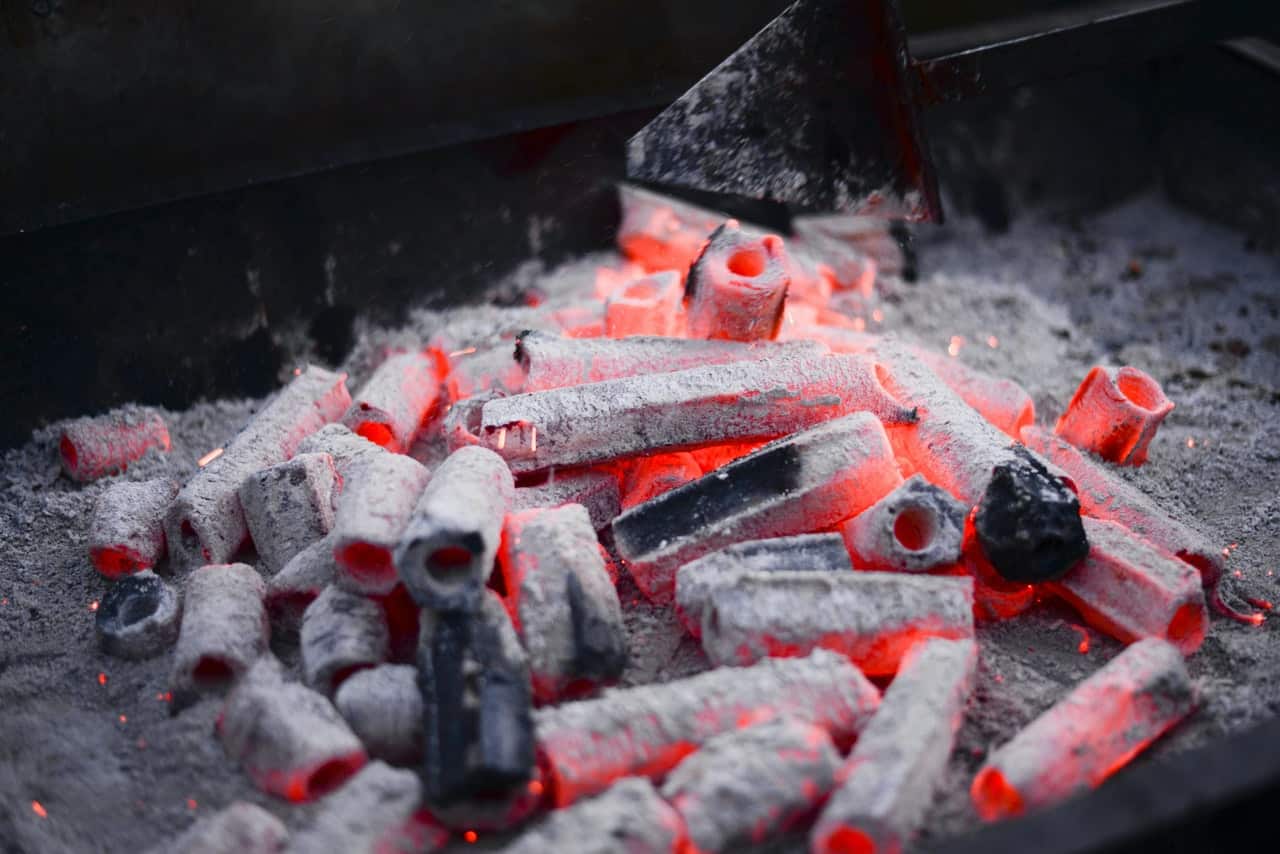
While this is not a use, many people may have heard most about carbon when talking about emissions. Greenhouse gases include methane, nitrous oxide, water vapor, and a few other gases. Carbon bonds easily with oxygen, creating carbon dioxide and monoxide. These gases are two of the major causes of global warming and climate change. There are ways to capture the carbon put into the atmosphere and reuse it for these other applications. However, it is cost-prohibitive and requires intense infrastructure some corporations are not willing to invest in.
Take a deep breath. That isn’t just oxygen you’re breathing. The Earth’s atmosphere is 78% nitrogen, with the rest being oxygen and other trace elements. Despite breathing it since the beginning of time, researchers didn’t isolate and name nitrogen until 1772. In addition to making up the air we breathe, nitrogen has a variety of everyday applications. The gas is inert, pushing oxygen away from it in situations where oxidation is not desired.
However, one of the best uses for nitrogen is in the food and beverage industry. Here are just a few examples of how it’s employed. Most people know carbon to pressurized beer kegs, but nitrogen performs similar functions. This has caused a wave of nitro beer taps to spread across the world.
It is also just ideal for preserving foods. It keeps out bacteria and stops oxidation, keeping everything fresh from baked goods to lunch meats.
Additionally, liquid nitrogen only happens at extremely cold temperatures. This intense freezing is helpful for preserving delicate organic samples. When it comes to cryogenic liquids, nitrogen is one of the cheapest and easiest to obtain. It is incredibly cold, around -320 degrees Fahrenheit, and has found uses in everything from lab settings to molecular gastronomy. Mixing an ice cream base with liquid nitrogen results in the smoothest and tastiest ice cream you’ve ever eaten.
The discovery of phosphorus is one that you probably won’t want to replicate. A German alchemist named Hennig Brand found the element by boiling buckets of urine. Thankfully, we can skip that step today and get any phosphorous we need from phosphate rock. One fun fact about phosphorus is that it comes in three different allotropes, represented by three different colors — white, black and red. White phosphorus is dangerous — exposing it to air or sunlight can cause it to spontaneously ignite — but you’ve likely encountered the other two.

However, using phosphorus in nature is a potentially tricky balancing act. If people introduce too much phosphorus into the soil or waterways, negative side effects occur. For stagnant lakes and even streams, algal blooms can form. These breeding grounds cause water pollution. When there is too much phosphorus in the soil, plants don’t grow correctly. The plants’ abilities to absorb other important nutrients, like zinc, will not be as effective.
Oxygen might be the first thing you think of when you take a deep breath but only makes up around 21% of our planet’s atmosphere. It’s primary use is a biological one, allowing most creatures on the planet to exist.
Its name comes from a combination of two Greek words — oxys and genes. Combined, the name means “acid-forming.” This name is appropriate because it bonds easily with many other elements and causes them to oxidize — otherwise known as rust.
Because oxygen is so closely tied to life, modern health trends are trying to find ways to commercialize oxygen as a wellness product. A modern use is oxygen bars. This is a trend that began in Japan and Canada, but it has expanded into more places. You book an appointment, and you get a concentrated dose of oxygen, usually at a 40% rate, through a special mask. The sessions are often branded as a type of therapy, which can help with energy levels, concentration and even hangovers.
The validity of this fad is still being studied, so do your own research before considering if you need more oxygen than what the Earth already provides.
Sulfur is another common element that we’ve been using since ancient times, though it took us until 1777 to finally classify it. It’s a pale yellow element that is usually brittle. Unlike some of its compounds, sulfur on its own is essentially odorless. We’ve found plenty of uses for this little yellow nonmetal, however.
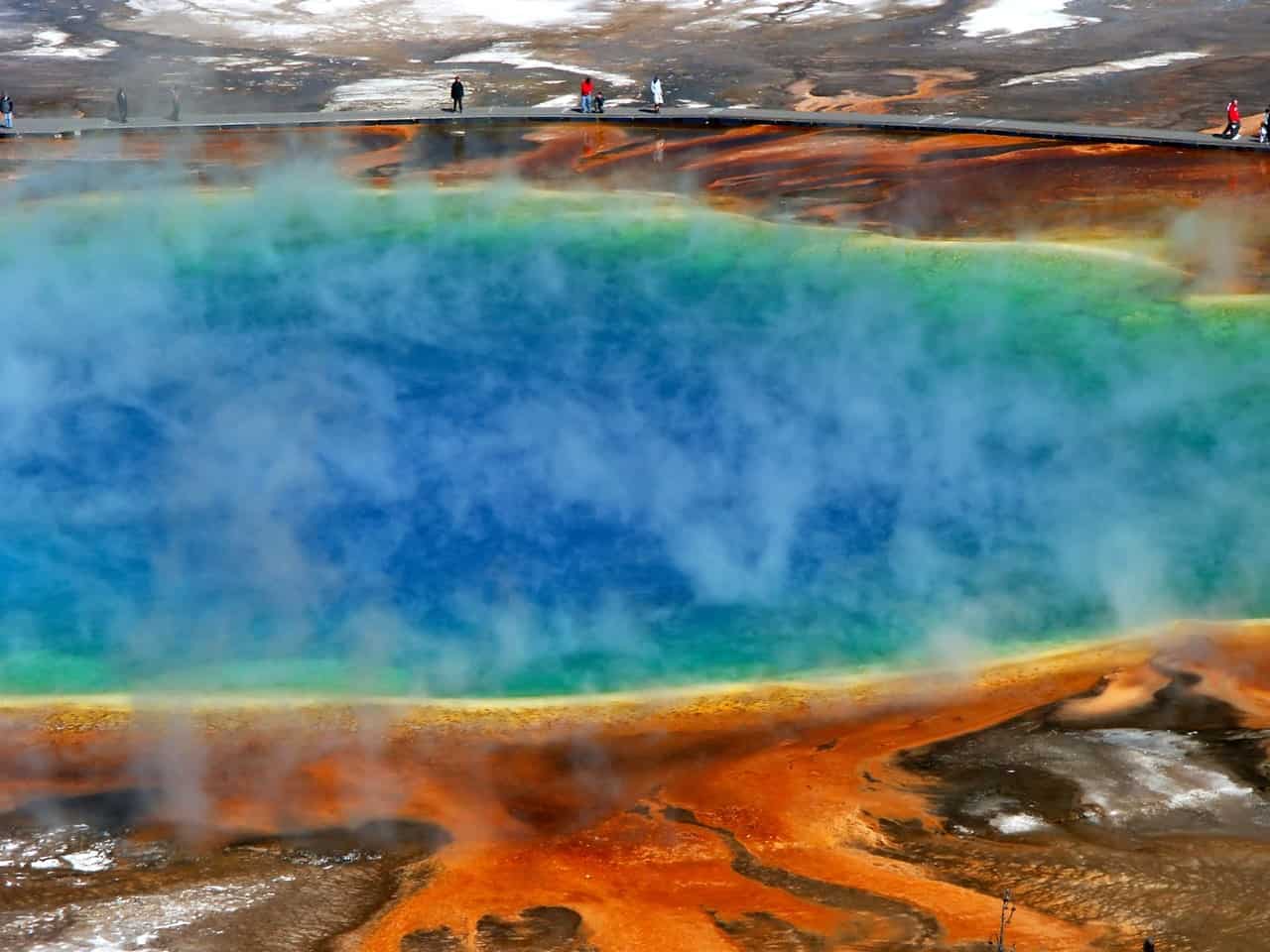
A Swedish chemist discovered selenium in 1817 while trying to figure out what contaminated a batch of sulfuric acid. It appears naturally in a variety of minerals, but the concentration is so low that mining them is essentially pointless. Instead, most of the selenium we use today comes as a byproduct of mining and processing copper.
When it comes to elements, nonmetals are the ones you’ll probably encounter most during your daily activities, simply because they are so abundant. They are also so versatile that they are a part of many products and techniques in industry. We recommend avoiding the toxic ones, though. Take another deep breath and enjoy the nonmetals that make life on this planet possible.
Revolutionized is reader-supported. When you buy through links on our site, we may earn an affiliate commision. Learn more here.

This site uses Akismet to reduce spam. Learn how your comment data is processed.