




 By Emily Newton


Revolutionized is reader-supported. When you buy through links on our site, we may earn an affiliate commision. Learn more here.
International space exploration is many things, but most importantly, it is a collaborative effort. It requires the expertise of diverse minds, from engineers to astrophysicists. Success also relies on international interdependence, trusting fellow countries to help explore the unknown.
The Artemis II mission in 2026 proved this by making history by pushing boundaries before and after liftoff. Every subsequent mission will feel the impact of the Artemis Program and its drive to showcase the power of global ingenuity and curiosity, though several other projects helped shape it into what it became.
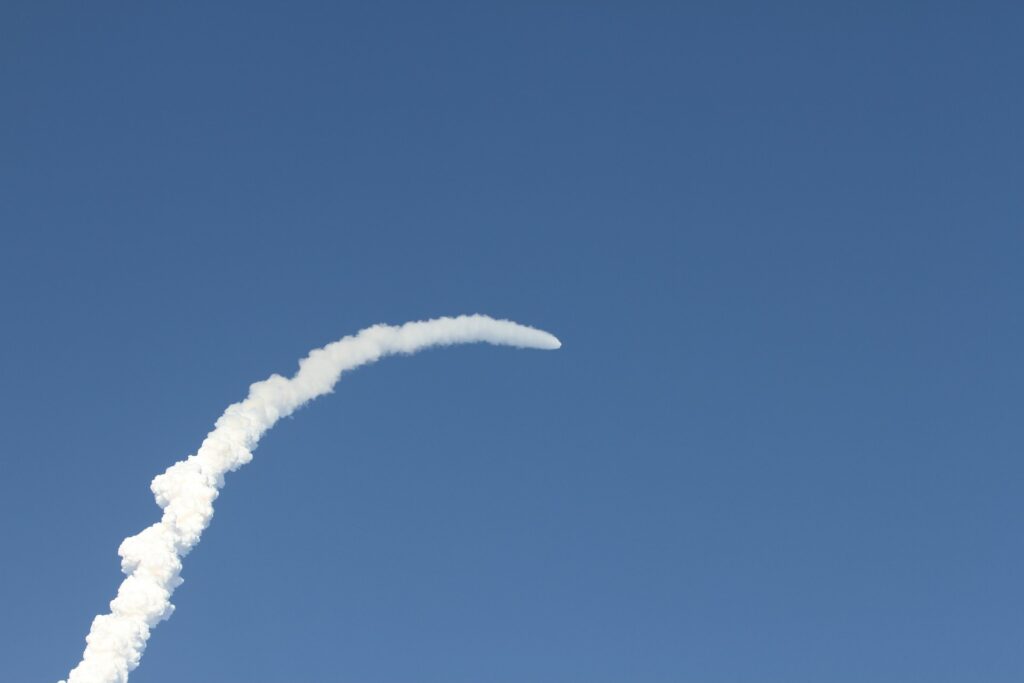
There are countless reasons why the entire world joined together to share in the experience of watching the rocket launch from Kennedy Space Center and the crew splash down. This was the first lunar mission in 50 years, and the first in which an astronaut outside the National Aeronautics and Space Administration (NASA) was present. Previously, it has only included Americans. Jeremy Hansen joined the rest of the Artemis crew from the Canadian Space Agency.
He was a mission specialist, working alongside U.S. astronauts Commander Reid Wiseman, pilot Victor Glover and fellow mission specialist Christina Hammock Koch. The crew was a shining example of the importance of international cooperation and diversity. Alongside Hansen, Koch was the first woman, and Glover was the first person of color on a lunar mission. The commitment demonstrated by the astronauts underscores why partnering across borders is essential.
The expenses of a deep-space mission cannot be understated. International partnerships are vital for financing the manufacturing of parts and the construction of the machinery. If the financial burden is shared among multiple parties, the timeline becomes more feasible.
For example, the European Space Agency (ESA) contributed to the Orion spacecraft by providing the Orion Service Module. The component was critical for lifesaving mechanisms that supported power, air and cooling. The ESA comprises aid from multiple nations, and the generosity and willingness to help demonstrate the importance of the shared global commitment to international space exploration and scientific advancements.
While there are expert minds in every country, when it comes to aerospace, it is essential to source the best of the best. Searching the global talent pool will unlock distinct technological strengths and experience compared to only looking within national borders. A cross-national collaboration to design a machine could be the way to access never-before-seen innovations.
The Lunar Gateway, humanity’s first space station to orbit the moon, will reach orbit in part because of its Canadian contribution—the Canadarm3. The advanced robotic arm will assist with operations and maintenance. This contribution positioned Canada as a contender for some of the world’s most highly regarded space specialists, while emphasizing the importance of partnering for a common goal.
Executing a space project takes years of planning and may involve delays. The job needs to find a stable footing before the rocket even takes off, but that is challenging. If space organizations relied more on international interdependencies, it could become easier by allowing programs to shift priorities or endure budgetary changes without complete project disruption. Aggregating resources and findings allows continuity on the ground and the stars.
When space and capacity permit, there should always be as many people as possible on board from multiple nations. The crew is enhanced by including more diverse backgrounds and perspectives in aerospace work. Having more representation on the board improves resilience and stability. The crew is safer when several security standards are top of mind, and everyone is focused on the long-term benefits of a successful flight.
The Gateway is a powerful example, featuring several habitation modules for NASA and ESA. The mission has redundancy with the overlap of niche skills and safety priorities.
Space exploration has been historically competitive ever since one nation tried to be the first to reach the Moon. However, for humanity to make progress, the attitude needs to dissolve. Instead, experts can promote global partnerships and knowledge sharing to expand the scope of every experiment on a mission and innovation on scientific instruments in manufacturing.
Every nation has something unique to offer the industry based on its values, resources and education. Pooling these assets is vital to having the best chance of uncovering the secrets of the unknown, such as what black hole stars are and the origins of dark matter.
The Artemis Accords have begun this trend, with signatures from over 70 countries, including Turkey, the most recent signee. Turkey is hosting the 2026 International Astronautical Congress, where dozens of Artemis Accords signatories will meet to discuss the future of peaceful international space exploration. This outreach benefits the world, not just the U.S.
Space travel is a prime opportunity for peace and communication to take precedence, even amid geopolitical conflict. Exploration beyond Earth allows nations to rise above their borders and build bridges between nations that may never have worked together before. Missions as complex as going into space are among the best ways to prove that working together is possible and beneficial for everyone.
These projects can establish long-standing relationships, fostering peace rather than advancing an unnecessary space race. Eventually, the connections will make way for greater global diplomacy and mutual generosity.
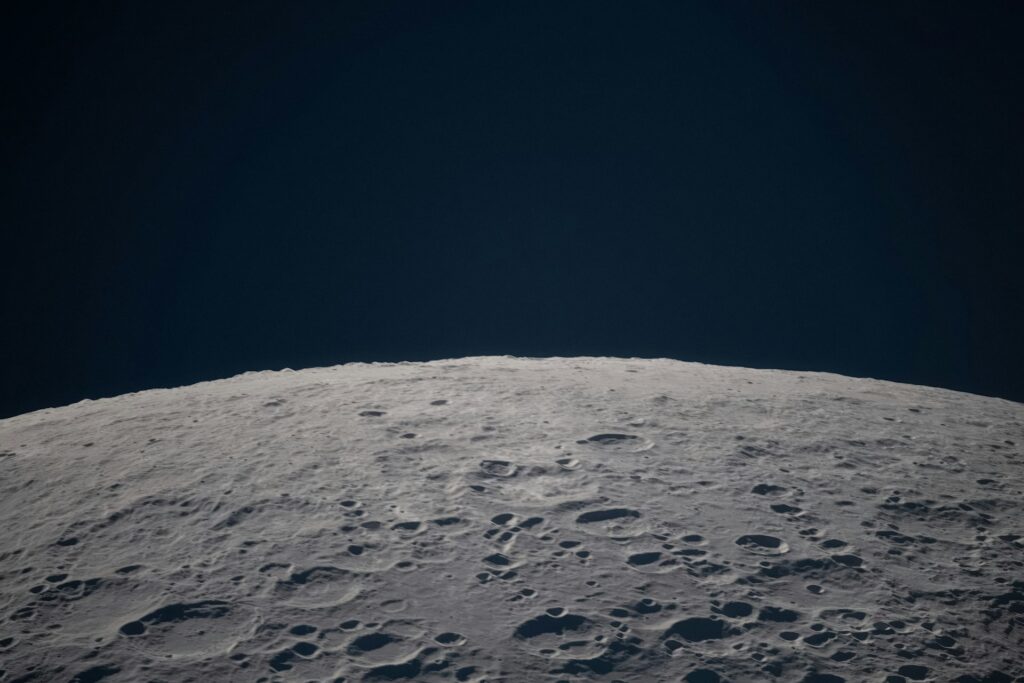
If more nations and experts are clued in on the frameworks, blueprints, scientific understandings and relationships used in projects like the Artemis II mission, it could help other missions seem possible. While it did not include a moonwalk, the trip was record-breaking and illuminating, delivering results and insights humanity has never witnessed.
It has the potential to enhance everything from the development of universal standards that apply to every country to changes in mindsets about the technology behind life-support systems. Everything becomes more inclusive when all nations participate in the use and understanding of these crucial elements of prospective space travel.
It makes everyone in the sector question what more could be done by collecting the world’s greatest minds. Trips like Artemis II make it feel like landing on Mars is around the corner if humans trust interdependence on international collaborators. The foundation of Artemis II was built upon the legacy of the International Space Station, accenting the urgency of worldwide partnerships.
Many missions before Artemis II set it up for success, but it is the culmination of those efforts that makes this project so celebratory for global collaboration and peace amid the space race. While doing so assists with practical elements, such as obtaining quality machinery and managing costs, it also has a greater historical impact. It proves that the future will see space missions from many nations working in the same space, even if it means venturing into the unknown.
Revolutionized is reader-supported. When you buy through links on our site, we may earn an affiliate commision. Learn more here.

This site uses Akismet to reduce spam. Learn how your comment data is processed.