




 By Emily Newton

Revolutionized is reader-supported. When you buy through links on our site, we may earn an affiliate commision. Learn more here.
Along the north Pacific coast, the future of air travel is under construction at the largest factory in the U.S. While one might wonder how tomorrow’s airplanes will operate and look, Boeing is turning blueprints into reality.
The plant is more than just a simple factory, though. It symbolizes human ambition and ingenuity, a monumental hub where groundbreaking engineering schemes take flight. Within its walls, raw materials, technological creations and forward-thinking ideas are the foundation for machines that bridge global connectivity for decades to come.
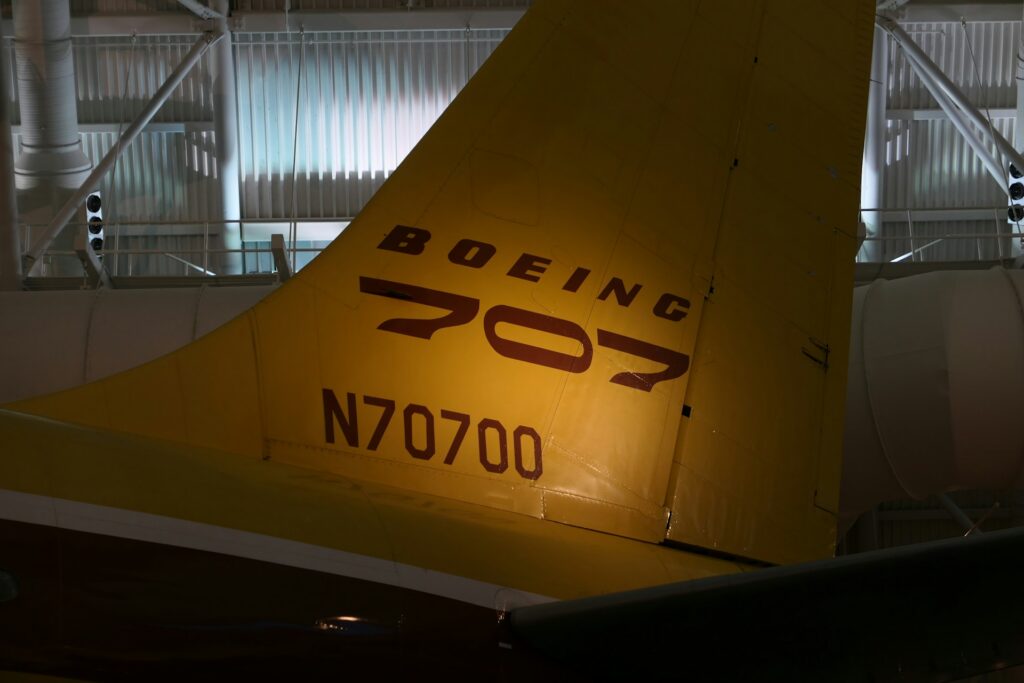
Boeing’s Everett, Washington, plant isn’t just the largest factory in the U.S. — it’s the largest in the world. The facility manufactures some of the most renowned airplanes, including the 747, 767, 777 and 787 fleets. The plant was built in 1967, just big enough to assemble the 747. Today, the structure has a capacity of 472 million cubic feet and sits on 98.3 acres.
For perspective, the 747 extends 225 feet, with a tail as tall as a six-story building — nearly 45 cars could fit within its wingspan. The Boeing Everett campus itself is large enough to accommodate Disneyland, with about 12 acres available for parking.
The facility boasts its own fire department, security team and other amenities, including a day care center and gym.
The Everett-based facility houses more than just cutting-edge aviation fleets and technology. It contains a bustling “city” of skilled workers, devoted to aerospace engineering.
Boeing employs 182,000 people across its factories and corporate offices globally, with a 5.81% job growth. These individuals retain unmatched talent and expertise, allowing them to contribute to the shared pursuit of concocting the most advanced aircraft. The company fosters collaboration and invention to form a centralized hub for its engineers.
Its design, manufacturing and support teams work together to develop the next generation of commercial aeroplanes. Those working on the X-66A project have been developing a type of plane that uses transonic truss-braced wing technology to reduce emissions and enable faster flights.
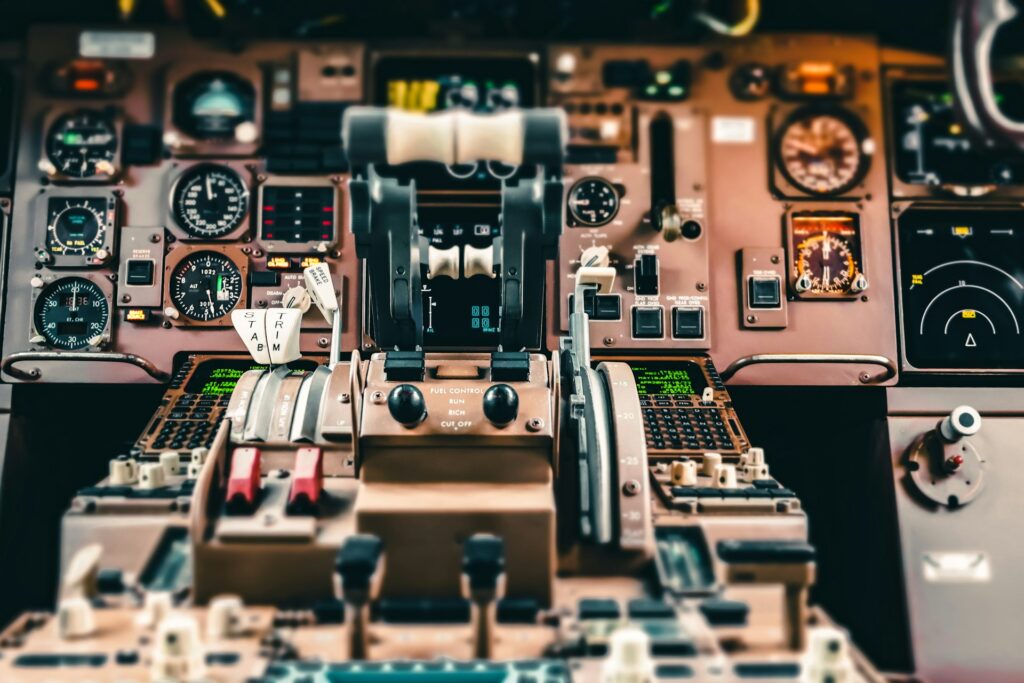
The U.S. contributed $124.9 billion in aerospace exports, making it the No. 1 exporter in international aviation sales — Boeing, alongside Lockheed Martin, contributed significantly to this. The company’s facility is a hotbed of Industry 4.0, merging human expertise with automated precision.
Among Boeing’s key strategies is the deployment of human-robot teams that help reduce lead times and enhance working conditions. For example, Boeing utilizes robotics to drill holes, while its human workforce installs the fasteners manually on the 777 fuselages.
The collaboration between technology and human oversight is paired with revolutionary materials, such as composites. The Boeing 787 Dreamliner uses these lightweight materials, which account for 50% of the plane’s total mass.
Boeing also developed its Diamond model, leveraging digital twin technologies to simulate physical assets throughout each product life cycle. This enables engineers to experiment with and improve each component virtually before they spend time and resources assembling fleets.
Factories worldwide are undergoing a digital revolution with the expansion of artificial intelligence (AI) and machine learning (ML). Boeing, in particular, is using AI-powered data analytics to improve its manufacturing process.
For example, aerospace engineers can use predictive analytics to identify quality control issues before they spiral out of control. The tools analyze historical data from manufacturing and maintenance records, training ML models to predict the possibilities of defects.
Automated systems further enhance quality control by leveraging AI assessment technology that generates condition reports within seconds using deep learning algorithms. These devices apply to numerous industrial sectors outside of aviation, too, including automotive, energy and logistics.
As Boeing implements the latest technologies to transform its manufacturing capabilities, it has also set its sights on sustainability. The company is striving to reduce its operational footprint and improve its environmental performance, and supports the industry’s efforts to achieve net-zero emissions by 2050.
In addition to delivering more fuel-efficient fleets, Boeing has committed to producing airplanes that are compatible with 100% sustainable aviation fuel (SAF) by 2030. The initiative is critical and has the greatest potential to reduce emissions. Boeing is also working with NASA on the development of the X-66A Sustainable Flight Demonstrator, helping test new wing designs. The holistic approach contributes to a greener tomorrow at every stage.
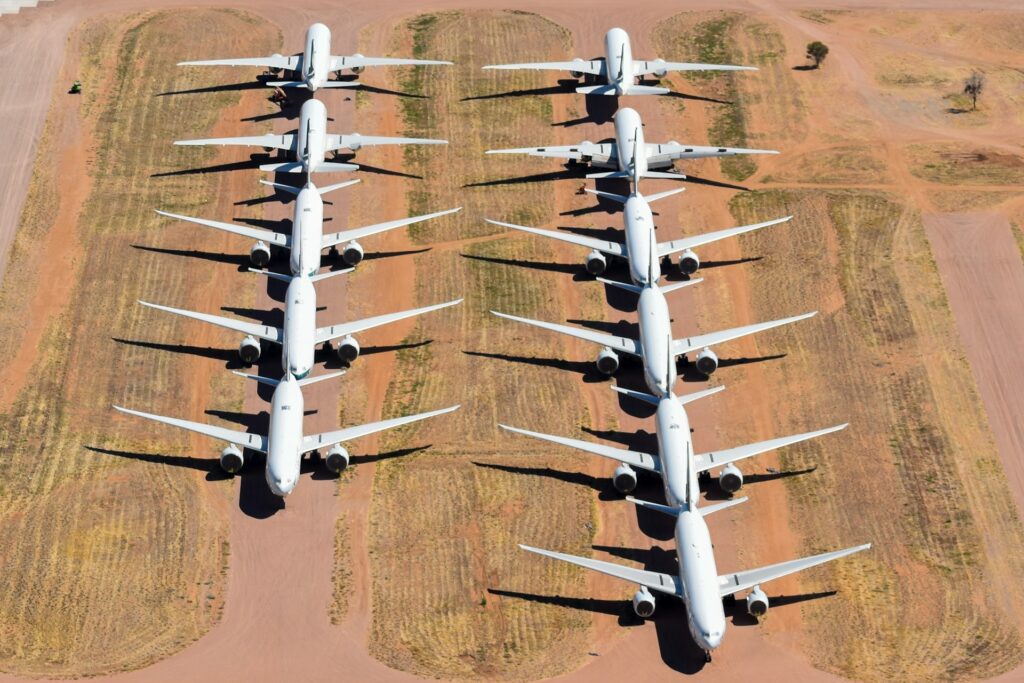
Those interested in seeing the largest factory in the U.S. up close can tour Boeing’s Everett, Washington, plant. The experience is 80 minutes long, providing a unique firsthand look at the assembly process that produces the massive aircraft.
Guests can observe the factory from high-up vantage points, leaving with a more profound perspective of the immense scale and complexity of building modern jets.
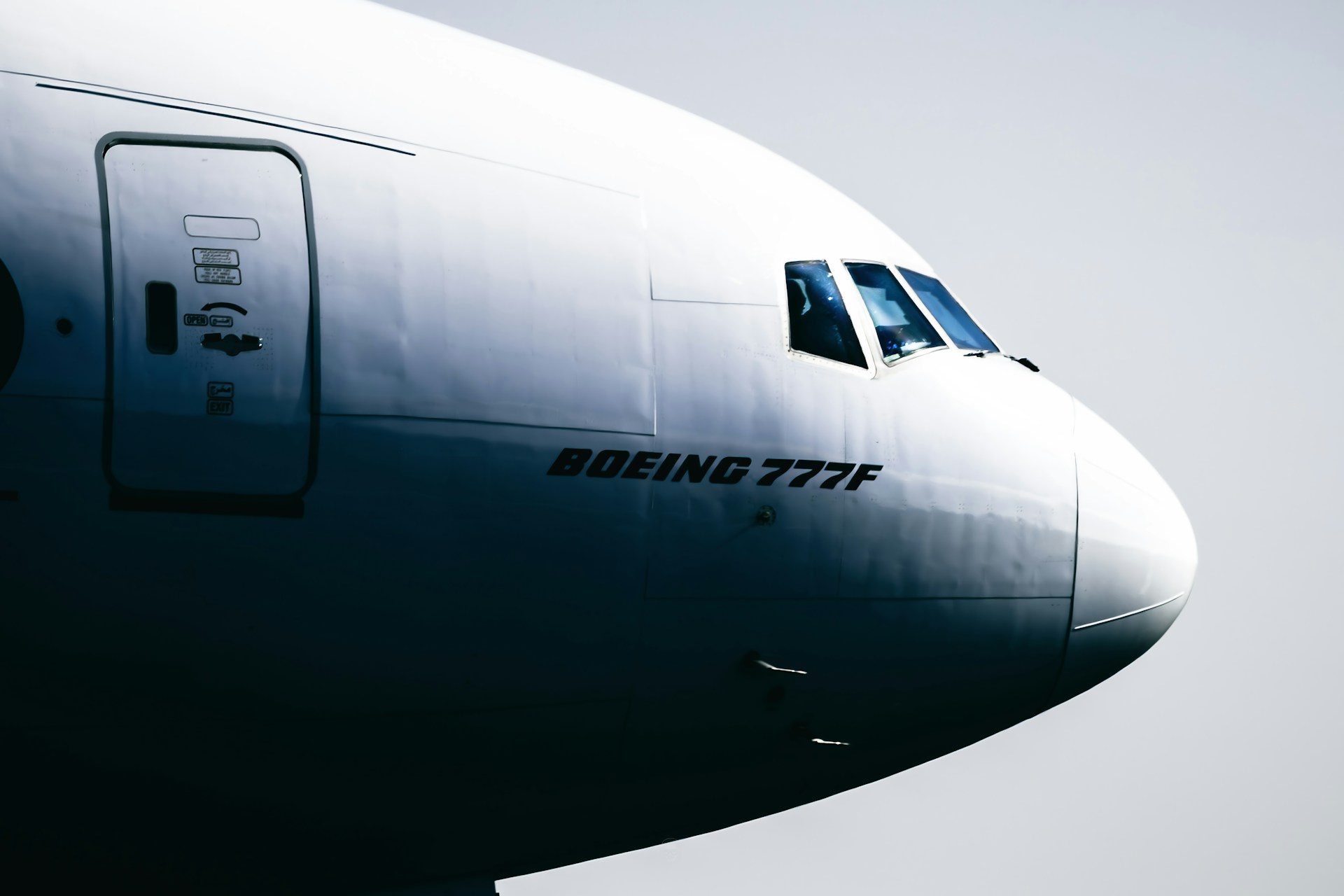
The factory is the manufacturing hub for the versatile Boeing 767 and KC-46 military tanker, and the twin-engine Boeing 777. The facility was once the exclusive production place of the infamous 747 and 787 Dreamliner before Boeing canceled the fleet.
Cutting-edge technology enhances aircraft sustainability by improving fleets’ fuel efficiency. Advanced materials reduce aircraft weight, requiring less power and fuel for flight.
Additionally, innovative engine designs burn less fuel and generate fewer emissions. For instance, high-bypass turbofan engines deliver 20% to 30% lower fuel burn than conventional turbofans.
Refinements to aerodynamic wing and fuselage designs further reduce drag, allowing for smoother flights and a lower environmental footprint with each new generation.
Operating out of the largest factory in the U.S. gives Boeing greater manufacturing flexibility to shape the future of aviation. The raw materials, technology and concepts brought together by the most skilled professionals drive industrial progress. The work conducted at this plant exceeds basic machine assembly, charting a safer and more efficient course for global travel.
Revolutionized is reader-supported. When you buy through links on our site, we may earn an affiliate commision. Learn more here.

This site uses Akismet to reduce spam. Learn how your comment data is processed.