




 By Emily Newton

Revolutionized is reader-supported. When you buy through links on our site, we may earn an affiliate commision. Learn more here.
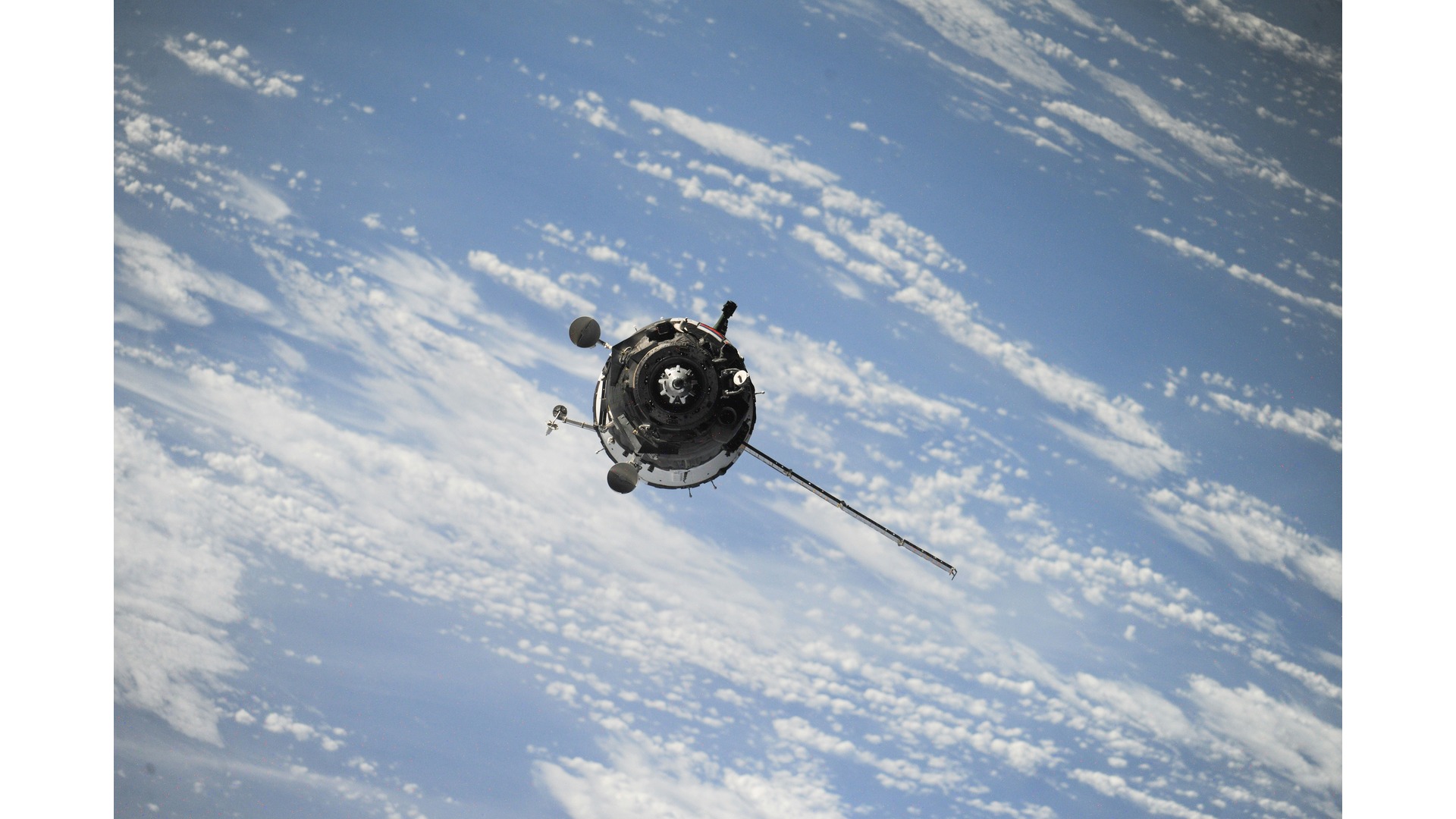
When people share images of Earth from space, they often exclude the ring of trash orbiting the planet. Space debris, or space junk, is various machinery and equipment traveling around the Earth at incredible speeds. It comes from space exploration missions and poses a significant threat to modern life. However, organizations are working to clean up the mess to prevent future issues.
Space debris is a variety of human-made objects currently orbiting Earth. There are many different types of space junk. The following are examples, grouped by category.
There are plenty of discarded equipment parts in space. The number of objects that are large and potentially threatening is in the one-million range, but various space debris tracking networks specifically observe around 35,000 debris orbiting Earth. Space junk is mainly in two distinct regions, Low Earth Orbit (LEO) and Geostationary Orbit (GEO). Scientists must observe these areas, especially when controlling spacecraft and satellites.
Many incidents caused space junk to accumulate in this way. Since humanity began exploring space in the late 1950s, it has been throwing trash into orbit. There are several leading causes of this, including satellite explosions, collisions, spacecraft deployment and spacecraft deterioration.
Satellites explode by accident and also intentionally. Technical malfunctions cause satellites to explode involuntarily. When organizations are finished using a satellite and want to destroy it quickly, they sometimes have it blown up. Space debris is the result of both explosions.
Various objects collide in space and create debris. Satellites can collide with one another, scattering their parts into the trash ring. Even spacecraft collide and create bigger pieces of trash. Large objects and machinery pose the greatest challenge in the future.
When organizations launch rockets, the spacecraft loses layers as it ascends through each layer of the atmosphere. Those objects do not disappear. They remain in orbit as floating debris. The same occurs when scientists deploy satellites, leaving behind solid machinery that orbits Earth for years.
Because space is a harsh environment, even the most robust spacecraft that remain in orbit for extended periods slowly deteriorate. Paint and machine parts fall off the craft, entering the ring of space debris and adding to the overall issue.
Space debris can be hazardous. The objects within the ring travel at around 18,000 mph, which is a dangerous speed. Even the smallest items can hurt someone traveling at that speed. Pieces of trash can damage operational spacecraft by hitting them. Active satellites that transmit weather forecasts or inform GPS systems could shut down upon impact with space debris. Astronauts on missions could get hurt if debris collides with them during spacewalks or hits their craft during launches.
Another significant risk relates to the International Space Station (ISS). It already actively performs maneuvers to avoid space debris. If more debris continues accumulating, those maneuvers could become more frequent and dangerous. Space exploration, including missions to the ISS, will be at risk in the future without proper debris control. The creation of the insulin pump was partially inspired by space exploration, as are many other modern machines and practices. Without it, modern scientists would lose a valuable resource.
Currently, billionaires like Jeff Bezos and Elon Musk are planning on launching rockets and satellites into orbit. Musk’s SpaceX program features Starlink, a Wi-Fi system that sends signals from space. He also plans on journeying to Mars one day. Bezos’s space program, Blue Origin, offers Wi-Fi connections to citizens as well. These initiatives will add to space debris and potentially cause more collisions as they deploy multiple satellites into orbit, heightening the existing issue.
In the future, some scientists worry about Kessler Syndrome. It is a theory that space debris will accumulate to the point that collisions will be inevitable. If that happens, constant crashes will cut humans off from space for potentially decades. There is a smaller risk of large objects entering the atmosphere and reaching the surface. However, these items typically burn up as they enter. Still, scientists foresee consequences if the debris continues to accumulate without restriction.
If space debris continues to be an issue, satellites may fail. Something like this could result in significant issues on Earth. For one, many financial transactions would cease. Meteorologists would not be able to predict the weather without satellites sending them information. GPS services would halt, potentially leaving many people lost or unable to travel. People would also not be able to communicate globally with one another. While this is an extreme hypothetical, it is an outcome to consider when creating space debris cleanup initiatives.
Because of the growing danger, countries are working to stop the continued accumulation of trash and to clean up the current ring of space debris.
To prevent further space debris, the United Nations has instructed companies to remove their satellites from orbit within 25 years after the mission’s end. Space organizations are also working to create more sustainable spacecraft that generate less debris during travel and in orbit.
Scientists and engineers are developing methods to remove the current debris from the atmosphere. They are testing nets, harpoons, robot arms and lasers as potential removal techniques. These elimination practices are good in theory, but are not yet effective at removing space debris. As technology advances, they will probably invent more efficient ways to eliminate waste.
International agreements and initiatives are essential to removing and preventing space debris from remaining a threat. The trash is not the responsibility of any one country, but of all countries together, since many of them actively explore space. The United Nations and other organizations should continue making moves to remove the ring of discarded parts.
While space debris is not currently causing problems, it has the potential to in the future. It can affect modern infrastructure, such as GPS, and harm operational spacecraft and satellites. The future of space exploration relies on removing space trash. Countries must share the responsibility to make it possible for future generations to marvel at space as well.
Revolutionized is reader-supported. When you buy through links on our site, we may earn an affiliate commision. Learn more here.

This site uses Akismet to reduce spam. Learn how your comment data is processed.