




 By Revolutionized Team

Revolutionized is reader-supported. When you buy through links on our site, we may earn an affiliate commision. Learn more here.
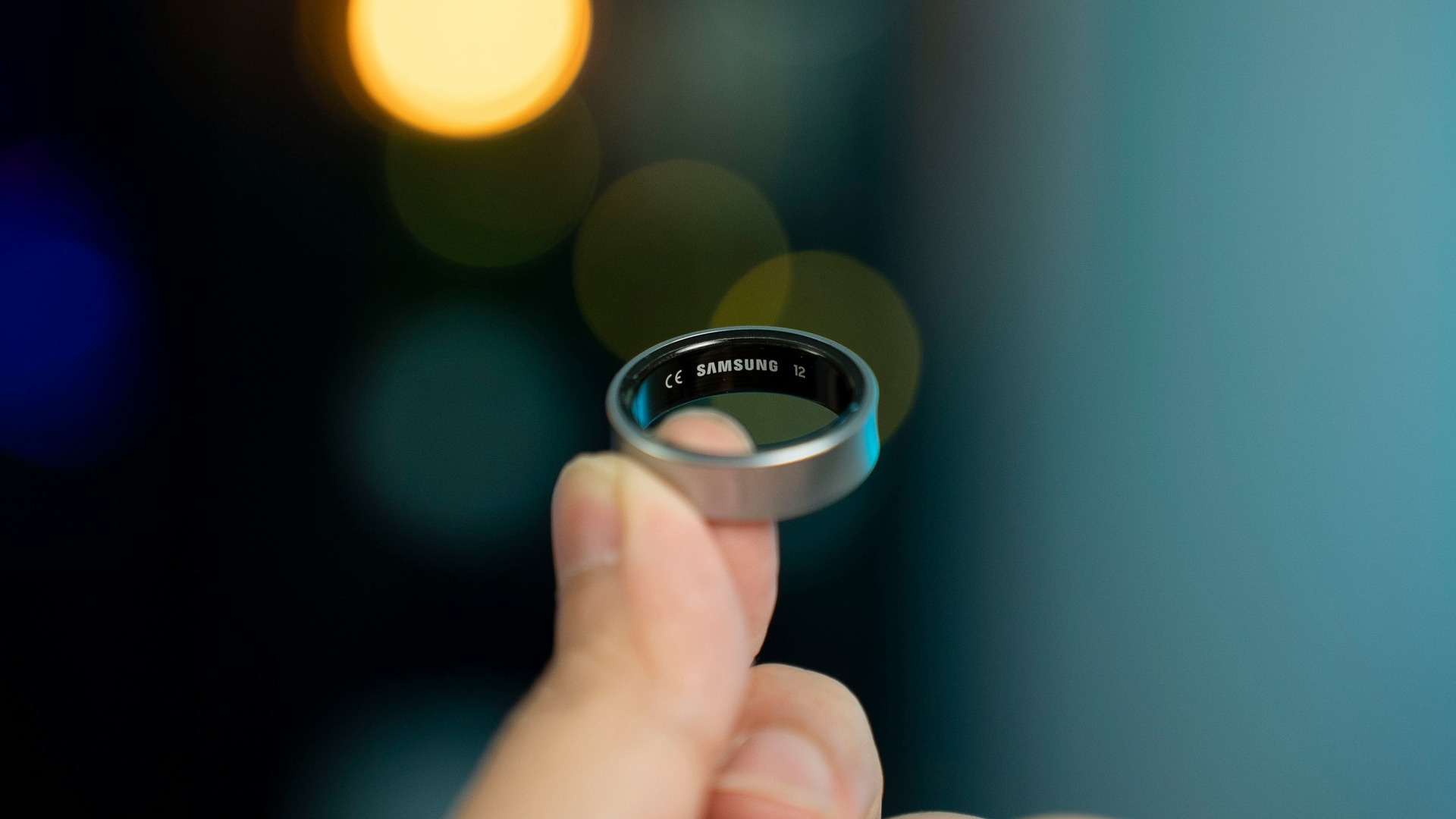
You wake up refreshed after a full night of sleep. Checking your health tracking ring reveals a low readiness score, and suddenly, that sense of being well-rested doesn’t seem reliable anymore. This disconnect between how you actually feel and what your device tells you signals a growing problem with wearable wellness technology.
Wearable devices entered the market with a promise to reduce uncertainty about our health and catch problems before they escalate. The health tracker ring was supposed to empower users with data-driven insights about their bodies. Instead, many users find themselves trapped in an anxiety spiral where constant monitoring sometimes creates more worry than reassurance.
The phenomenon starts innocuously enough. Wearables stream continuous metrics, including heart rate variability and blood oxygen saturation. Users receive this flood of data without the clinical context needed to interpret normal biological fluctuations. A slight dip in overnight oxygen levels or an elevated resting heart rate can trigger alarm, even when these variations fall within perfectly healthy ranges.
This hypervigilance toward body metrics can feel protective at first. Early detection sounds like smart prevention. Yet the constant checking often leads to a cycle of worry and seeking reassurance that undermines the very well-being these devices claim to support.
Users mistake tracking a metric for actually managing their health. When numbers inevitably deviate from algorithmic baselines, the resulting distress can outweigh any preventive benefit.
Sleep scientists have identified a new disorder emerging from an obsession with wearables. Orthosomnia describes the unhealthy fixation on achieving perfect sleep metrics, causing sufferers to prioritize what their device reports over how they actually feel upon waking.
The pursuit of optimal deep sleep percentages and REM cycle targets paradoxically sabotages sleep quality itself. Anxiety about hitting specific metrics triggers the body’s stress response. Cortisol and adrenaline flood the system, actively promoting wakefulness and preventing the relaxation needed for restorative sleep. This creates a self-fulfilling prophecy where worry about poor sleep guarantees poor sleep.
The problem deepens when users don’t realize they’re stressing over deeply unreliable data. Consumer wearables estimate sleep stages using algorithms based on movement patterns and heart rate. These devices lack the electroencephalography technology used in medical-grade sleep studies to accurately classify sleep stages. Frequent misclassification of sleep data means users often agonize over numbers that bear little resemblance to their actual sleep architecture.
Orthosomnia particularly affects people prone to performance anxiety. Daily feedback from their device can trigger a spiral of rumination and worry that limits their ability to sleep well the following night. The gamification of sleep turns rest into a competitive sport, in which “losing” means facing another day of compromised functioning.
Medical researchers have long studied the placebo effect, where positive expectations produce real physiological improvements. The nocebo effect works as the inverse. When people expect negative outcomes from a medical intervention, they often experience those very real negative effects even when no biological mechanism explains the decline.
Wearable health tracking rings create ideal conditions for nocebo responses. Consider a user who wakes feeling energized and capable, only to have one glance at a disappointing readiness score reframe their entire physical state. The subjective sense of vitality gives way to perceived fatigue, reduced motivation and genuine decreases in physical performance throughout the day.
This isn’t mere suggestibility or weakness of mind. The expectation set by a low score triggers physiological changes, including elevated stress hormones, heightened pain sensitivity and declining cognitive function. The device’s pronouncement becomes a self-fulfilling assessment that the user’s body confirms throughout the day.
The presence of tracking technology changes human behavior in ways that go well beyond simple awareness. Researchers studying wearable adoption have found that these devices can influence affect, behavior and health independently of actual physical activity levels or true physiological states.
This alteration operates through multiple pathways. Someone with a low recovery score might skip a workout they would have enjoyed and benefited from, while another person pushes through genuine fatigue because their device insists they’re ready for intense training.
The technology doesn’t just measure what’s real. It actively reshapes the reality it purports to objectively document. Such a feedback loop makes it increasingly difficult to distinguish between authentic bodily signals and algorithm-driven interpretations of those signals.
Humans evolved sophisticated internal systems for sensing physical states. Interoception allows the brain to monitor hunger, fatigue, pain and readiness for exertion without external instruments. This innate capacity gets refined through years of paying attention to how different choices affect how we feel.
Over-reliance on wearable data can erode your connection to your body’s natural cues. As apps and algorithms begin dictating your eating, sleeping, moving and resting patterns, the device becomes the authority on whether you’re tired, stressed or recovered rather than your own perception.
This dependence on technology carries risks beyond just psychological disconnection. Consumer wearables collect vast amounts of intimate health information.
An Indian audio and smartwatch maker suffered a breach that compromised 7.5 million users’ information, with reports indicating the affected parties’ data appeared on the dark web. Trusting these devices with your health decisions means also trusting their security infrastructure with deeply personal information about your daily patterns and physiological states.
The picture isn’t entirely bleak. Medical-grade patient monitoring devices deliver genuine clinical value when deployed appropriately. These systems differ from consumer wellness trackers in their accuracy, clinical oversight and evidence-based applications.
Studies of remote patient monitoring show measurable benefits. Research found that the group using patient monitoring devices was 5% less likely to need to return to hospitals for care after discharge. These results emerge from systems designed for specific medical conditions, calibrated to clinical standards and interpreted by healthcare professionals who understand the full context of each patient’s situation.
Consumer health tracking rings operate in a different universe. They lack FDA oversight for most features, use proprietary algorithms that haven’t undergone rigorous validation and provide data to users who often lack the training to interpret it appropriately. The anxiety these devices generate stems partly from this mismatch between their medical aesthetic and their actual capabilities.
Breaking free from wearable-induced anxiety doesn’t require abandoning the technology entirely. Setting boundaries can preserve useful insights while protecting your mental health and bodily autonomy.
Establish tech-free zones in your daily routine. Rather than checking metrics first thing in the morning, give yourself an hour after waking to assess how you genuinely feel before consulting any device. This practice helps maintain the distinction between your lived experience and algorithmic interpretation.
Consider taking regular breaks from continuous tracking. Wearing your device every other day or taking a full week off each month can reset your relationship with the data. Many users report that breaks help them rediscover confidence in their own perception of their physical state.
Treat the data as one input among many rather than the definitive truth about your condition. If you feel energized despite a low readiness score, trust your body. If you feel exhausted despite good metrics, rest anyway. The goal is to use technology to augment your self-knowledge without letting it override your direct experience.
Wearable technology should serve you, not the other way around. The metrics your device provides can offer useful patterns over time, but they shouldn’t dictate your morning self-assessment. Learning to balance quantified data with embodied wisdom lets you benefit from tracking technology without sacrificing your autonomy to algorithms that can’t feel what you feel.
Revolutionized is reader-supported. When you buy through links on our site, we may earn an affiliate commision. Learn more here.

This site uses Akismet to reduce spam. Learn how your comment data is processed.