




 By Emily Newton

Revolutionized is reader-supported. When you buy through links on our site, we may earn an affiliate commision. Learn more here.
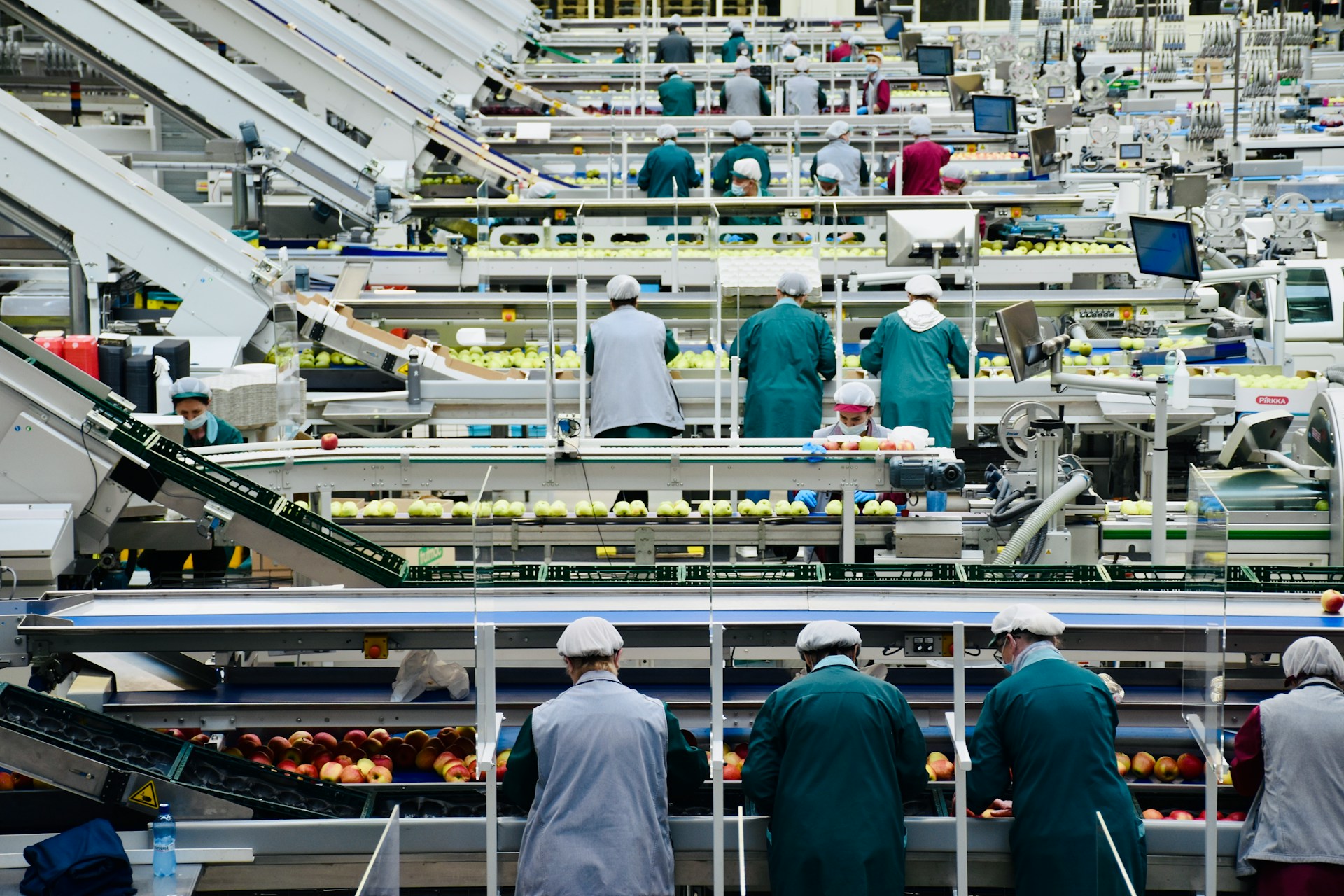
For industrial managers wondering why there are so many food recalls now compared to previous decades, the answer reveals a story more complex than declining safety standards. Advanced detection systems and a regulatory shift toward prevention have made contamination visible at scales impossible to track just a few years ago. For those overseeing supply chains and production facilities, this means greater visibility has replaced invisibility as the industry standard.
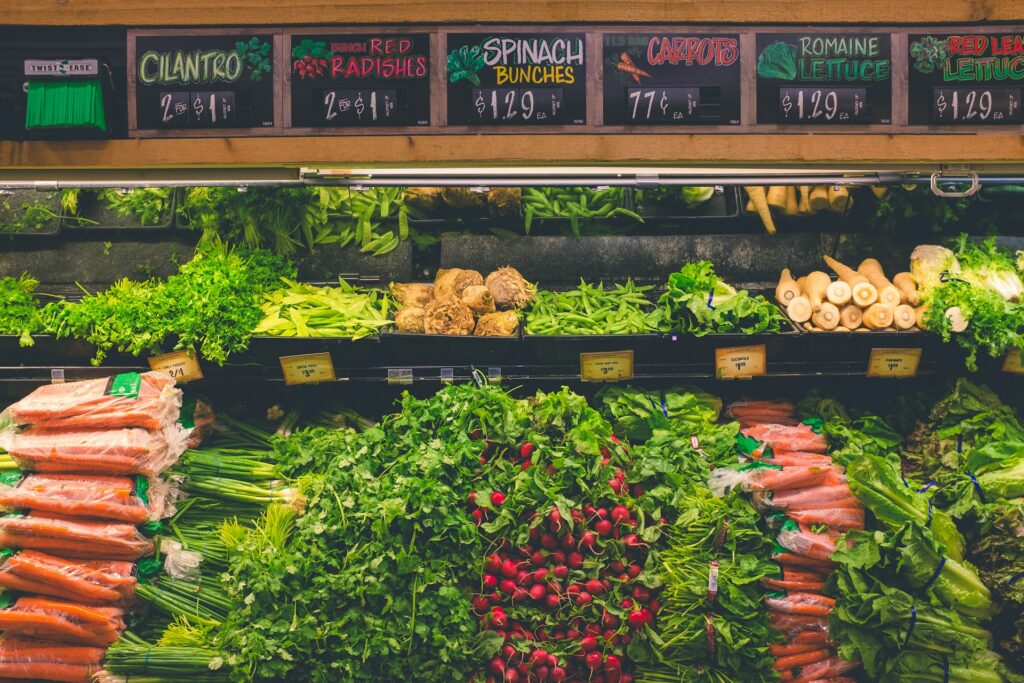
By July 2026, a cyclospora outbreak had spread to nine states and resulted in 1,947 confirmed cases, all traced to shredded iceberg lettuce from a single producer. Michigan alone reported roughly 8,000 cases, with nearly 12,000 suspected nationwide.
Cyclospora spreads through water exposure and resists standard washing protocols, which means traditional quality control measures often fail to eliminate it before products ship. A problem originating at one production facility can affect operations across multiple states before anyone spots the issue, and globalized distribution networks amplify the reach of any contamination event exponentially. The parasitic infection illustrates exactly the kind of complexity industrial operations now face.
How the industry identifies and responds to contamination has fundamentally transformed. At the same time, regulatory frameworks have evolved alongside these technologies, creating an environment where problems surface faster and more frequently than ever before.
Genomic sequencing, rapid pathogen testing and data analytics now give regulators and industry operators unprecedented ability to connect contamination events across geographic boundaries. The financial stakes justify significant investment in these capabilities, as food safety programs could save roughly $2 billion in preventable illness costs industrywide. An estimated 48 million people suffer from foodborne illnesses annually, yet only 20% of these cases have their associated pathogen identified.
Testing sensitivity has increased dramatically for the five pathogens that drive 90% of foodborne illness costs — Salmonella, Toxoplasma gondii, Listeria monocytogenes, Campylobacter and Norovirus. Equipment now flags these organisms at trace levels that older methods missed entirely, which explains why removal actions occur for contamination that poses no greater risk than what went undetected in previous decades.
The ways in which growers and manufacturers approach safety protocols from the ground up have shifted dramatically as consumer expectations have reshaped the landscape. Consumer concerns about pesticide use have heightened and now directly influence on-farm safety decisions as producers work to maintain market trust. Many operations also face resource constraints that limit their capacity to implement ideal safety measures, particularly on smaller farms where growers and their families handle most operational responsibilities.
Additionally, producers frequently report confusion about compliance expectations, with many struggling to interpret the technical language embedded in safety requirements. The gap between regulatory intent and practical understanding creates implementation challenges across distribution networks, including at the production and warehousing stages, where contamination risks run highest.
The majority of operations assume that recalls involve direct government intervention, but the reality is quite different. In most cases, companies initiate recalls voluntarily to preempt potential enforcement action by the U.S. Food and Drug Administration (FDA), making these strategic business decisions rather than regulatory requirements. When the agency does step in with formal requests, it reserves them for urgent situations and directs them to firms with primary responsibility for the affected product.
To evaluate whether contamination warrants a voluntary removal of products from distribution channels, the FDA assesses multiple factors:
Even minor contamination can trigger voluntary removal actions if the potential consequences justify it, which explains why events occur more frequently now despite stable or improving actual contamination rates.
What was once a competitive advantage has become an operational necessity across food distribution networks. Companies that embrace automation and traceability position themselves ahead of regulatory requirements while reducing exposure to recall-related disruptions.
Blockchain technology enables tamper-resistant record-keeping that tracks origin and transportation data automatically and creates an auditable trail from farm to distribution center. Major retailers like Walmart now require suppliers to comply with blockchain traceability, transforming what was once an optional technology into a basic requirement for market access.
Automated platforms cut investigation time from weeks to hours, allowing warehouse operators to pinpoint contaminated inventory batches instantly, minimize product loss and contain distribution before recalled items reach consumers. The precision directly translates into reduced financial exposure and faster operational recovery.
Federal regulators are building infrastructure that mirrors industry innovation. For example, the FDA is developing a food traceability system called the Product Tracing System that will receive and analyze industry data to accelerate trace investigations during outbreaks. Submissions automatically process into the Electronic Product Code Information Services standard, generating distribution network diagrams and geographic maps that investigators can use immediately.
As of January 20, 2026, the Food Traceability Rule requires electronic sortable spreadsheets in specific situations and standardizes how companies report movement and transformation of high-risk foods. The regulatory framework creates compatibility between industry platforms and government databases while eliminating the manual data translation that previously slowed outbreak investigations.
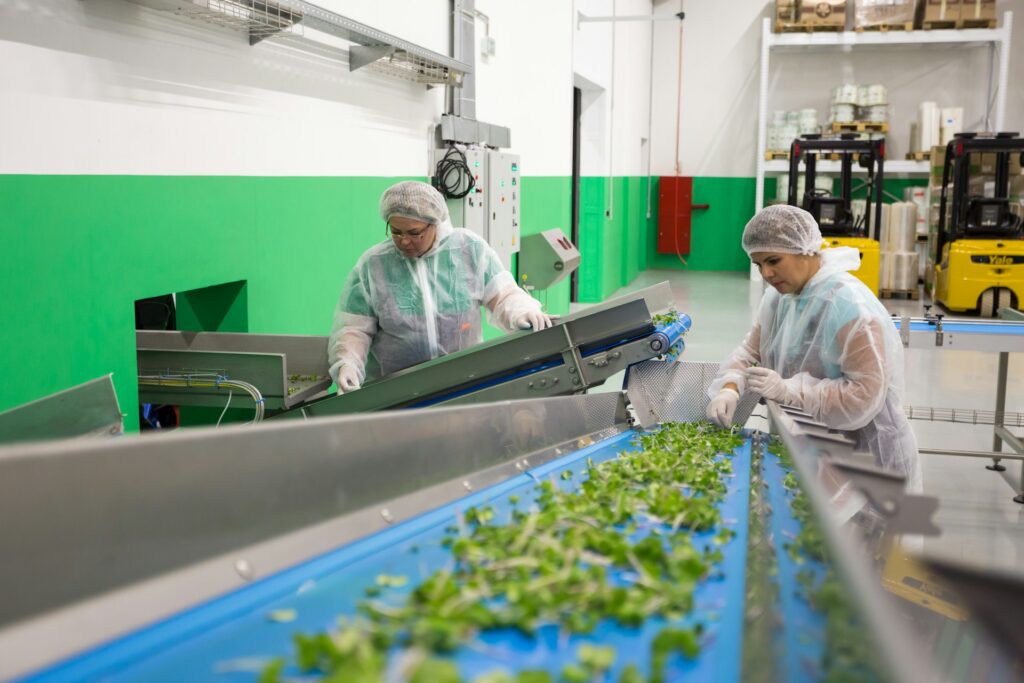
Industrial professionals navigating the modern recall landscape often ask how the mechanics work and what role emerging technologies play in prevention.
Recalls protect public health by removing contaminated or mislabeled products from distribution before they cause widespread illness. They also limit manufacturers’ and distributors’ legal and financial liability.
Companies typically initiate recalls voluntarily. The FDA requests recalls only in urgent situations, directing the request to the firm with primary product responsibility.
Blockchain platforms create tamper-resistant records of product origin and movement. Combined with rapid pathogen testing and genomic sequencing, these tools enable investigators to identify contamination sources in hours rather than the weeks traditional methods required.
For managers still wondering why there are so many food recalls, the answer lies in progress, not decline. Technologies and regulatory frameworks have evolved to catch problems that once remained hidden until widespread illness forced reactive investigations. Operations that understand this distinction can make informed investments in traceability and automation, gaining a competitive advantage by treating visibility as an asset rather than viewing increased scrutiny as a burden.
Revolutionized is reader-supported. When you buy through links on our site, we may earn an affiliate commision. Learn more here.

This site uses Akismet to reduce spam. Learn how your comment data is processed.