




 By Lou Farrell


Revolutionized is reader-supported. When you buy through links on our site, we may earn an affiliate commision. Learn more here.
As climate change impacts intensify, farmers endure unpredictable weather and extended dry spells that hinder crop yields and instill fear. Fortunately, there is an opportunity to build more robust and profitable operations through drought resilience.
This forward-thinking strategy helps align environmental sustainability and financial stability, turning the farm into a more adaptive ecosystem and business model that thrives even amid water shortages.
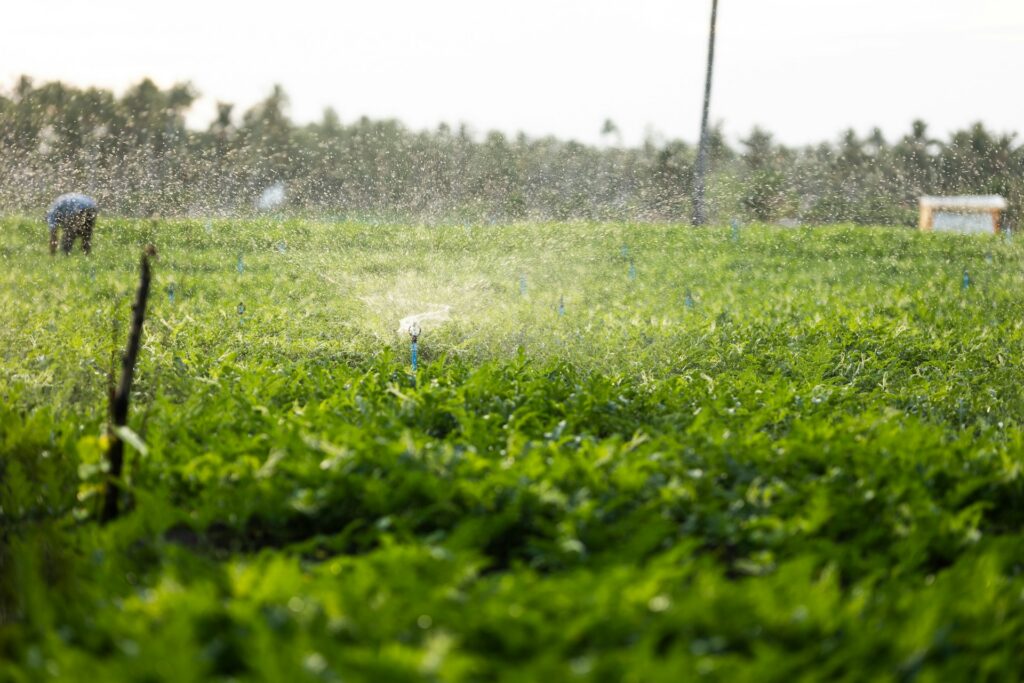
Drought resilience in modern agriculture is a holistic approach that integrates soil, water and crop management to create a stronger, more resilient farm. The need for this strategy is particularly apparent when looking at the cost of inaction.
According to one study, a 2012 drought negatively affected 80% of U.S. farmland, resulting in two-thirds of counties impacted being declared “disaster areas.” The one event left the federal crop insurance program responsible for $14.5 billion in loss payments. Just three years later, California’s agricultural sector also experienced extreme drought, accumulating $1.84 billion in direct costs and 10,100 seasonal job losses.
Events like these are just a handful of examples that highlight the importance of creating a self-sustaining farm ecosystem capable of withstanding water scarcity. Doing so promotes long-term continuity and greater food security for future generations.
Irrigation accounts for nearly 70% of global freshwater consumption, making it the largest consumer of this precious resource. Intelligent water management is a powerful solution that involves monitoring soil and plant conditions to determine when and whether water is needed.
Farmers often deploy highly efficient techniques, such as drip irrigation, to deliver water directly to the source and only as much as it requires. The sensors deliver crucial insights regarding actual water consumption and how well the soil retains it. Immediate feedback allows them to adjust their approach and maximize efficiency.
Combining these cutting-edge technologies with on-farm strategies such as rainwater harvesting and greywater recycling fosters a more comprehensive approach to securing water resources.
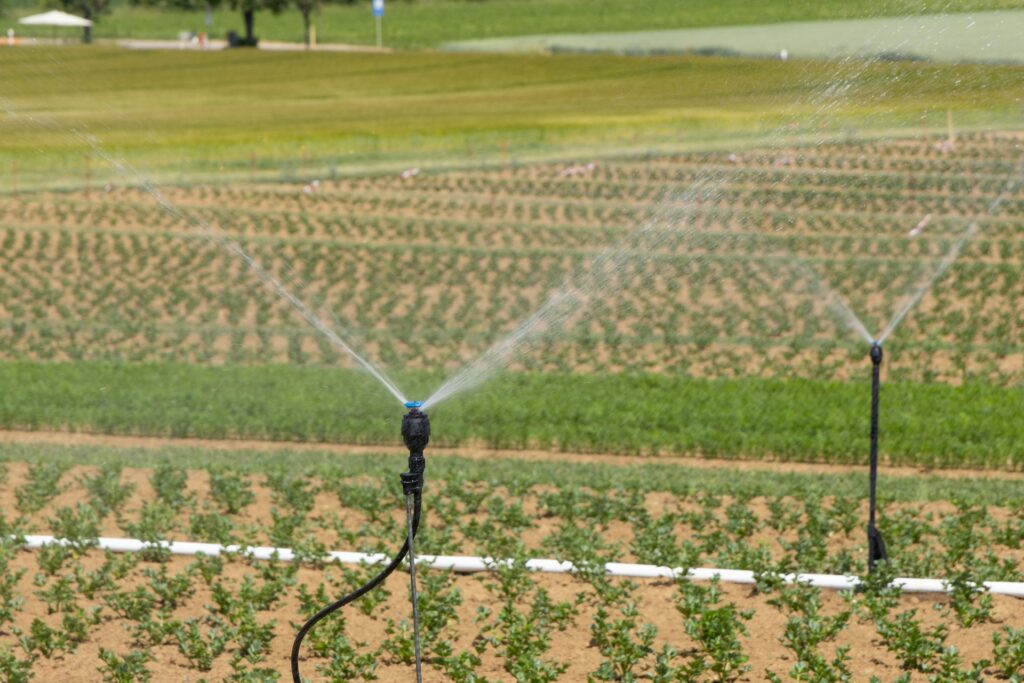
Healthy soil is a cornerstone of a prosperous harvest and contributes to overall drought resilience. Organic matter is especially critical because it improves soil properties, including its structure, porosity and nutrient density, which enable plants to grow. The greater the soil’s structure, the more water it can naturally absorb and retain.
This is evident when looking more closely at some of the country’s agricultural regions. Wisconsin’s farming sector contributes $116.3 billion annually to the state’s economy and provides 353,900 jobs. It is also one of the nation’s top producers of major vegetables, ranking fourth in the U.S. for potato production and growing 4.28 million hundredweight (cwt) and 846,400 cwt of snap beans and green peas, respectively.
To maintain high production, Wisconsin growers practice no-till farming and cover crop planting to prevent burning off organic matter. Typically, the state’s soil comprises 1.5% to 4% of organic matter, which is a decent amount that farmers want to build more of. Since increasing soil organic matter can take five to eight years, producers must invest heavily in transforming their farms into nature-based, drought-tolerant reservoirs.
Choosing the right plants is equally vital for resilient farming operations, especially given the dire consequences of drought for crop production. Farmers should select native or specially bred plant varieties that have adapted to the local climate and arid conditions. Essentially, drought-resistant plants can survive on less water than other crops.
For example, tomatoes, squash and melons have deep roots that pull moisture from the soil even when surface soil is dry. As one grower shares, the “Dark Star” zucchini variety grows in dryland conditions with roots that reach the water table. As long as they receive water early in the growing season, they can usually withstand a drought.
Some tomatoes even grow better if you stop irrigating them in the middle or later part of summer, as it lowers their risk of plant disease and fungal growth.
Producers might select traditional heirlooms or genetically enhanced varieties for their farms. The process uses genotyping to create a unique DNA fingerprint for every plant. Scientists then study the fingerprints to gain a better understanding of which plants have the greatest potential for drought survival. Ultimately, drought-tolerant cultivars aim to reduce the need for intensive irrigation, giving farmers an edge during dry spells.
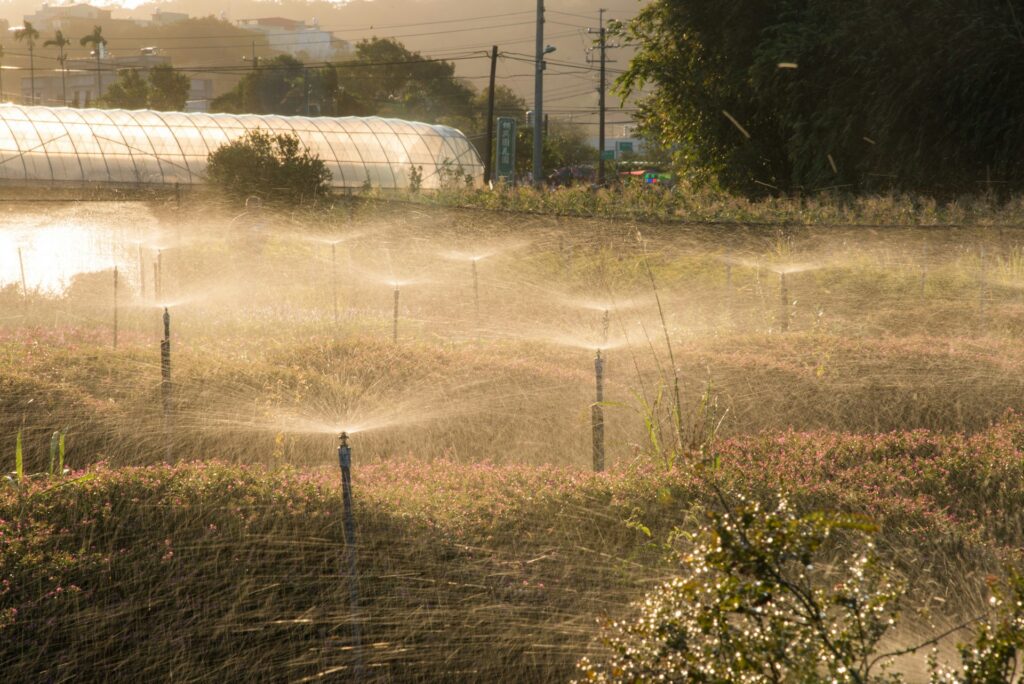
Technological innovation has empowered growers to replace guesswork with precision when building drought resilience. The technologies deliver accurate insights to enable more efficient decision-making regarding resource allocation.
For example, remote sensing uses satellites and drones to provide real-time data on soil moisture and crop irrigation requirements. Artificial intelligence also plays a role in weather forecasting to predict rainfall.
The Internet of Things further connects scheduling systems and smart irrigation technologies to improve water use and automate irrigation processes, using smart sensors to provide live data. Farmers can use these tools to monitor and control irrigation practices, improving water consumption efficiency while protecting their crops and bottom lines.
Farmers have several financial incentives and support programs available to help them invest in sustainability and drought resilience. The U.S. Department of Agriculture Natural Resources Conservation Service, for instance, offers a cost-sharing program that helps farmers pay for sustainable practices, such as high-efficiency irrigation upgrades and cover crops.
Producers can also explore state and federal tax credits that encourage investment in water-saving technology and renewable energy, including solar-powered wells. For instance, adopting a solar-powered irrigation system helped one Kenyan farmer diversify his crops and triple his income, even saving 17 hours weekly on water collection while reducing energy costs.
Partnerships with local conversation groups and nonprofit organizations also help producers unlock financial and technical resources, including grants.
The costs of transitioning to a drought-resilient farm vary. However, growers should view it as an investment in future profitability. Many initiatives have low initial costs that producers can add to over time. They should also explore government financial assistance programs to cover significant expenses.
Implementing proper soil management is the most important step a producer can take in building drought resistance. Cover crops and reduced tillage are low-cost efforts with tremendous impacts. They boost soil water retention and create a natural foundation for stronger roots to take hold.
Often, farmers see results from water-saving techniques immediately after implementation — typically lower utility bills. Over a couple of growing seasons, they will begin to notice the effects of better soil health start to materialize. Consistency is key to long-term success.
Building drought resilience is an investment in a farm’s ongoing success. By integrating drought-tolerant crops, cutting-edge technologies and improved soil stewardship, growers can transform their operations and excel through prolonged dry spells. The approach is a powerful step toward a food-secure future and more prosperous agricultural production.
Revolutionized is reader-supported. When you buy through links on our site, we may earn an affiliate commision. Learn more here.

This site uses Akismet to reduce spam. Learn how your comment data is processed.