




 By Revolutionized Team

Revolutionized is reader-supported. When you buy through links on our site, we may earn an affiliate commision. Learn more here.
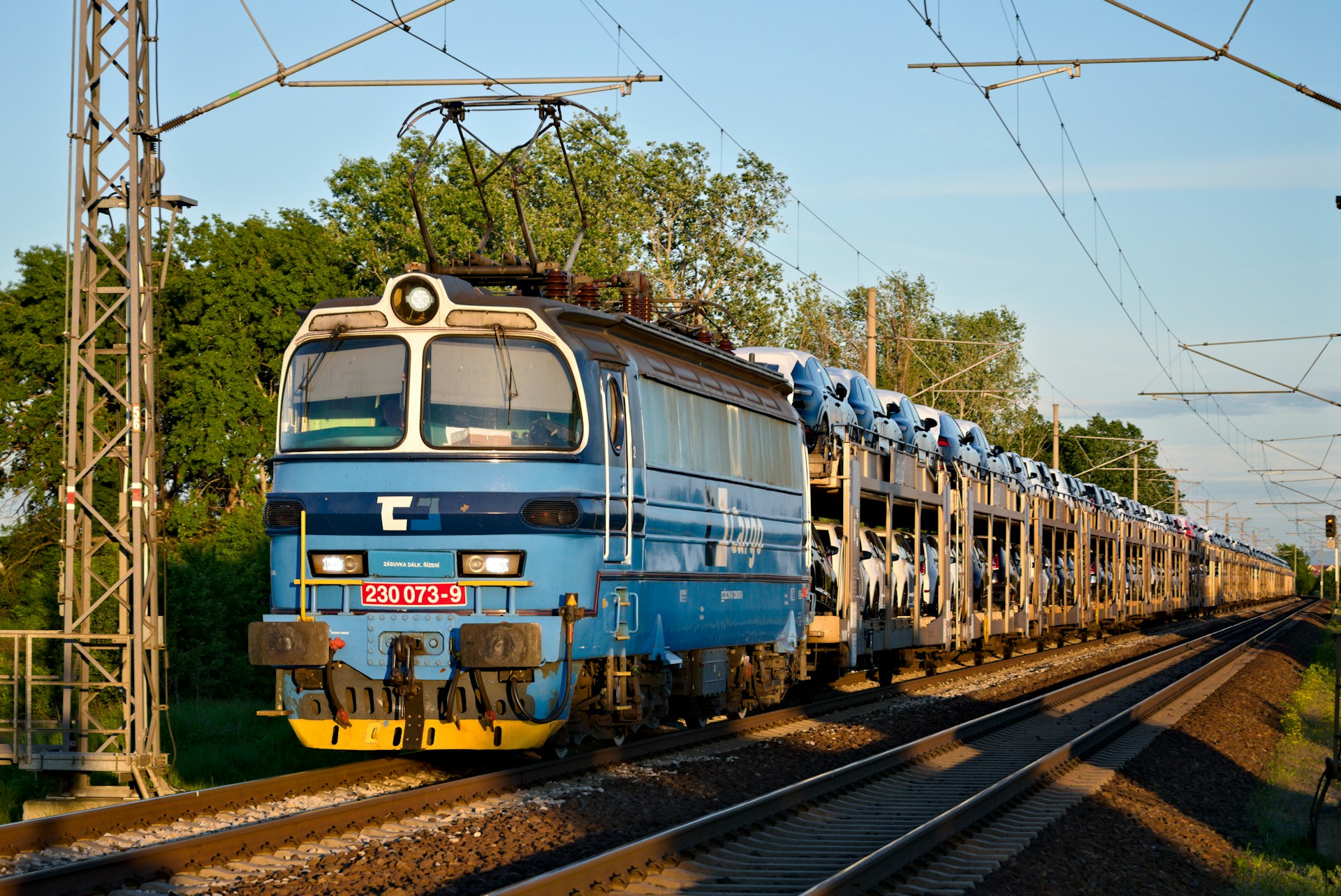
As global efforts continue to prioritize decarbonization across the industry, long-haul freight is under pressure to switch to electric power. The needed technology is becoming increasingly available nationwide and presents significant operational, financial and environmental advantages for supply chain and freight logistics. Understanding the strategic benefits of electric trains, the hurdles to the U.S.’s adoption and the future outlook of the technology can help shed light on its potential for a more sustainable and efficient industry.
Minimizing carbon emissions and adopting eco-conscious practices are critical for every sector amid the urgency of climate change. While trains are the most fuel-efficient method of land transportation, working to decarbonize railroads through electrification both enhances their eco-friendly initiatives and serves as a smart business decision.
Switching to electric power is overall more cost-effective than diesel-powered locomotives, with lower fuel expenses, less maintenance and far less environmental impact. Beyond long-term costs, the same market insights indicate the potential for high volumes of fast-charging infrastructure, which further saves costs at faster rates.
Another critical technological innovation is regenerative braking, in which the traction motors reverse the electric current to slow the train and then return that energy to the system. A simulation concluded that regenerative braking can save up to 55.75% of energy across the entire system.
Electric trains have greater acceleration and deceleration capacities, and they are generally faster than diesel trains. Combined with regenerative braking and fast charging, these trains can increase overall efficiency for freight transportation.
Given that the rail freight market anticipates a 4.5% CAGR from 2026 to 2036, the industry will need to meet demand while remaining fuel- and energy-efficient.
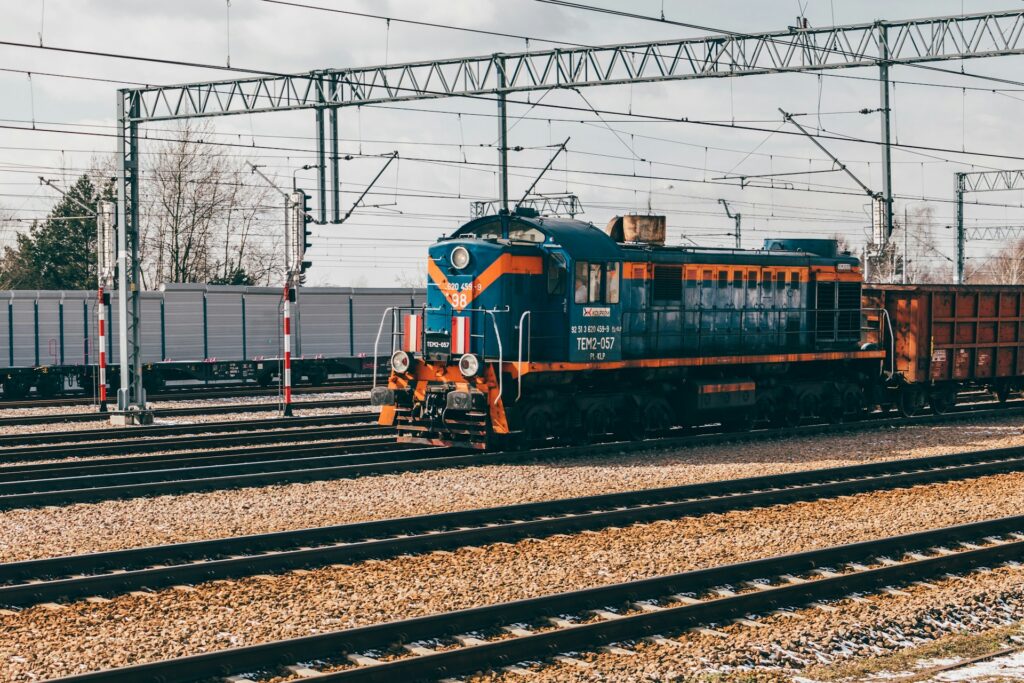
Though most freight trains across the U.S. are diesel-powered, switching to electric power is entirely possible. There are three main power systems that electric trains can use.
Commonly used on systems like trolleys, overhead lines or catenary systems rely on electric currents running through an overhead network of cables. These complex systems deliver electric power through direct contact and are a long-standing method for electrification, currently used in several routes, including those along the Northeast Corridor.
Though overhead lines are an effective method to electrify railroads along lines and in areas with the infrastructure and power needed, emerging technologies offer more sustainable solutions for a potential nationwide electrification.
A highly anticipated, zero-emission option is a hybrid train that uses both battery and electric power. A few key corporations are developing and implementing these locomotives for both passenger and freight rail, including Siemens Mobility, which will design and manufacture 13 battery-electric passenger trains for the Metropolitan Transportation Authority and Metro-North Railroad.
Research indicates that a standard, single-boxcar with a 14-megawatt-hour (MWh) battery and inverter can travel 241 kilometers while consuming half the energy that diesel engines would. With significantly reduced carbon emissions, a nationwide adoption of battery-electric trains can save the U.S. freight rail industry $94 billion over the next 20 years.
Dual-mode trains, which run both off electricity and diesel, offer flexibility for high-speed railways as the industry transitions to renewable energy. Dual-mode trains save energy by using electricity in areas with catenary systems and burning fuel only for part of the journey where electric infrastructure is unavailable.
Similarly, hybrid trains use battery packs with diesel engines, operating like a hybrid car that uses electric power to run while the diesel engine powers the electricity. Both dual-mode and hybrid trains serve as an operational transition between the current diesel-dominant infrastructure and the anticipated fully electric goal.
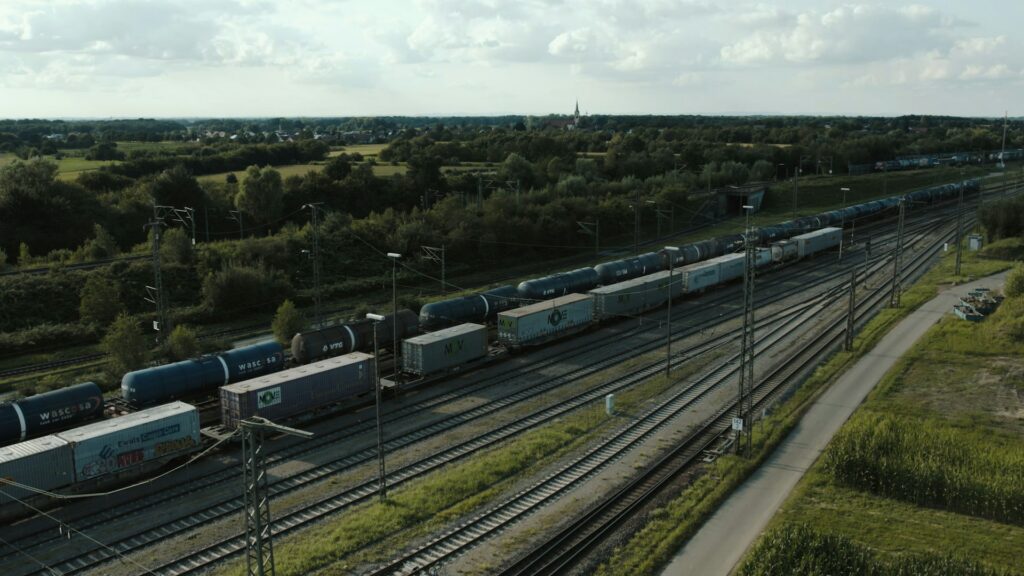
As the freight rail industry seeks a fuel-efficient future, numerous obstacles prevent widespread electrification of the nation’s locomotives.
A complete overhaul of the country’s transportation infrastructure is an immense up-front cost. The Association of American Railroads (AAR) estimates that the cost of electrifying the rail network across the U.S. is approximately $1.1 trillion, accounting for the 139,000 miles.
Though the ultimate ROI of electric transportation would yield noticeable savings, the effort to connect the rails to compatible systems would be a massive undertaking and require a long-term commitment.
Though the trains have potential for self-sustaining systems like regenerative braking, electric power trains still require energy. The most sustainable way to power these locomotive systems would be through renewable energy sources like solar and wind, but there is a notable lack in U.S. infrastructure to power nationwide systems.
Catenary lines, in particular, present numerous challenges, including the introduction of multiple single points of failure between all the various components. Furthermore, these lines consume immense amounts of power, which would be antithetical to the energy-efficient goals of switching to electric trains. Anticipated energy levels from nationwide catenary systems could reach 40-50 Terawatt-hours (TWh), which the country’s current renewable energy infrastructure cannot support. Additionally, high-voltage systems are dangerous and could pose risks to workers and, to some degree, passengers.
In freight logistics, one of the biggest bottlenecks is the last mile, which can account for over 50% of total shipping costs because of the resources required. Even when the majority of a shipment’s transportation is on a fuel- and energy-efficient route, the last mile remains a notable challenge for the supply chain, especially if there is any incompatibility between the long-haul and the last-mile transportation to the destination.
Intermodal facilities or even hybrid locomotives may be a solution to integrating these transportation modalities, but they require further investment in the entire supply chain. While this can ultimately improve efficiency and eco-conscious efforts, multiple changes at once can be costly and overwhelming.
Unlike roads and passenger public transportation, U.S. freight railways are owned by private companies rather than the government. Railroad investors spend nearly $25 billion each year for maintenance and improvements. Public-Private Partnerships (PPPs) allow the government to support railroad operational efficiency and make upgrades, but introduce potential for delays and operational inefficiencies when negotiating between the two parties.
Making nationwide changes to freight rail infrastructure would require careful navigation of PPPs and concerted efforts to benefit both parties. With up-front costs and power demand that may not yield immediate ROI, stakeholders are less inclined to invest despite the long-term benefits.

Electric trains are the future of freight rail transportation as the industry seeks a more efficient, cost-effective and eco-conscious operation. Despite infrastructure integration challenges and up-front costs, electric railroads offer a particularly attractive opportunity to streamline supply chain and logistics operations nationwide while maximizing ROI potential. As more industries shift to ecological and economic upgrades, the logistics industry should keep up wherever possible.
Revolutionized is reader-supported. When you buy through links on our site, we may earn an affiliate commision. Learn more here.

This site uses Akismet to reduce spam. Learn how your comment data is processed.