




 By Emily Newton

Revolutionized is reader-supported. When you buy through links on our site, we may earn an affiliate commision. Learn more here.
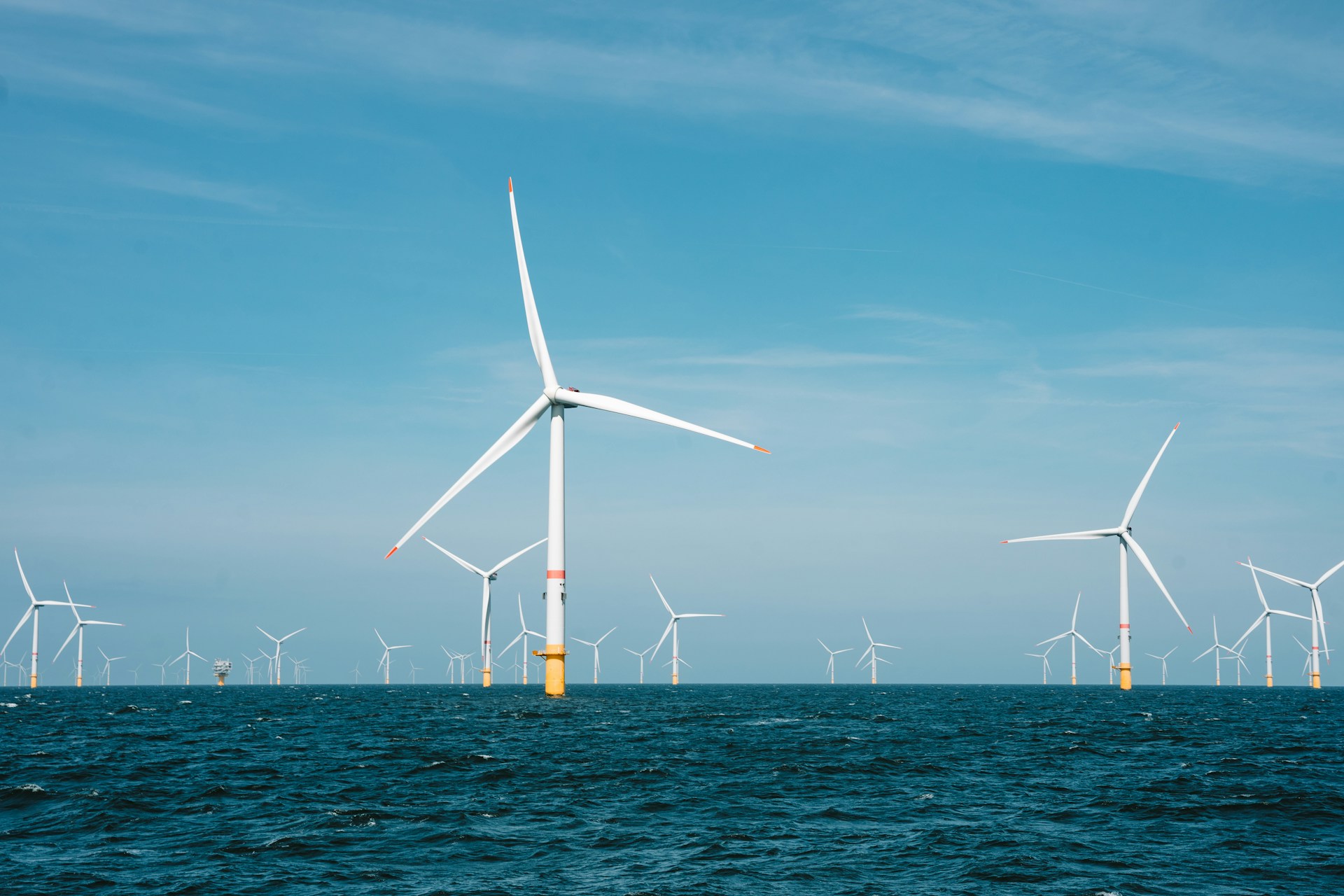
The growing demand for renewable energy is a critical step away from fossil fuels. However, even this exciting wave of clean power presents various environmental problems. The very equipment engineered to combat climate change may introduce pollutants into ecosystems. This is especially true for wind farm particle emissions, a byproduct of wind turbine technology that warrants thorough ecotoxicological exploration.
Researchers at the Alfred Wegener Institute (AWI) in Germany sought to determine whether tiny particles emitted by offshore wind turbines were harmful to marine life. They decided to concentrate on blue mussels, which are an indicator species for healthy coastlines.
In the lab, scientists created a worst-case scenario by exposing mussels to high concentrations of ground-up turbine blade materials for two weeks. High-tech tools allowed them to monitor the mussels’ internal chemistry, revealing that they absorbed moderate amounts of barium and chromium, leading to short-term neuroendocrine stress.
Although there wasn’t immediate harm, researchers believe that the long-term effects could be worrisome for the environment. Additionally, the risk could be detrimental to public health with the combination of wind farms and aquaculture.
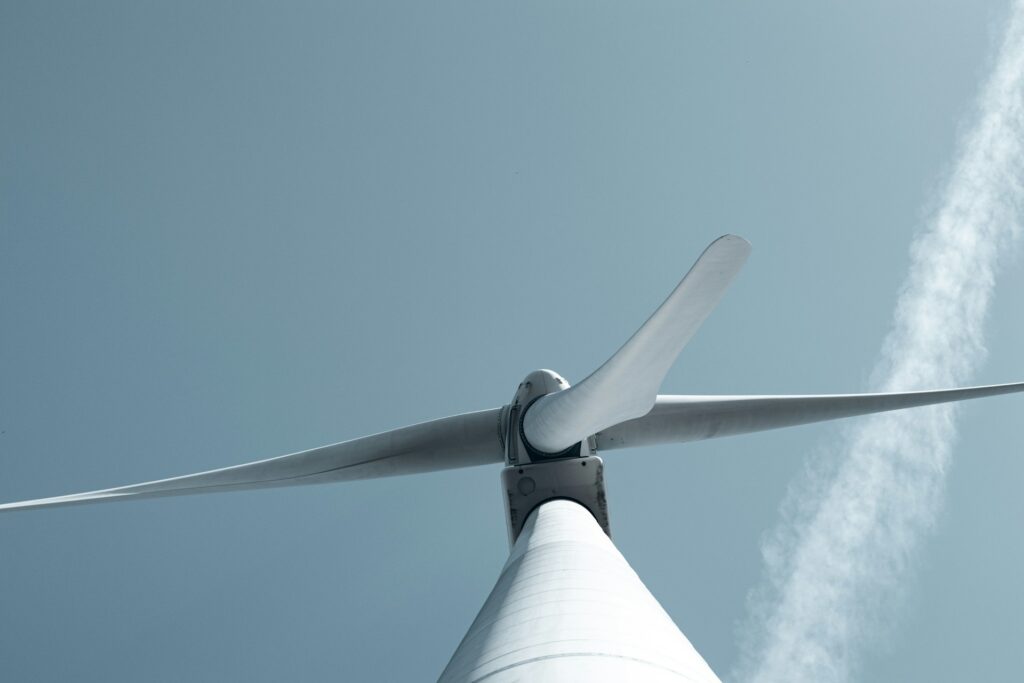
Wind turbines require immense durability, but it comes at an environmental cost. Engineers use composite materials, such as epoxy resins and fiberglass, to ensure the blades can withstand harsh weather conditions. Yet, this also makes them difficult to recycle.
The wind energy sector is growing — the U.S. Wind Turbine Database tracks 75,417 turbines across 45 states — exacerbating material problems. End-of-life service poses the most significant issue.
The turbines last 25 to 30 years, after which they are decommissioned or repowered. By 2050, the U.S. could have 133 million metric tons of decommissioned material it must contend with. In 2018, the U.S. landfilled about 50,000 tons of blade waste due to convenience, lower costs and greater processing capacity.
Landfilling presents several challenges, though, requiring ample space, specialized equipment and skilled personnel. Many nations, including Germany, Finland and the Netherlands, have banned the practice of disposing of blades in this manner.
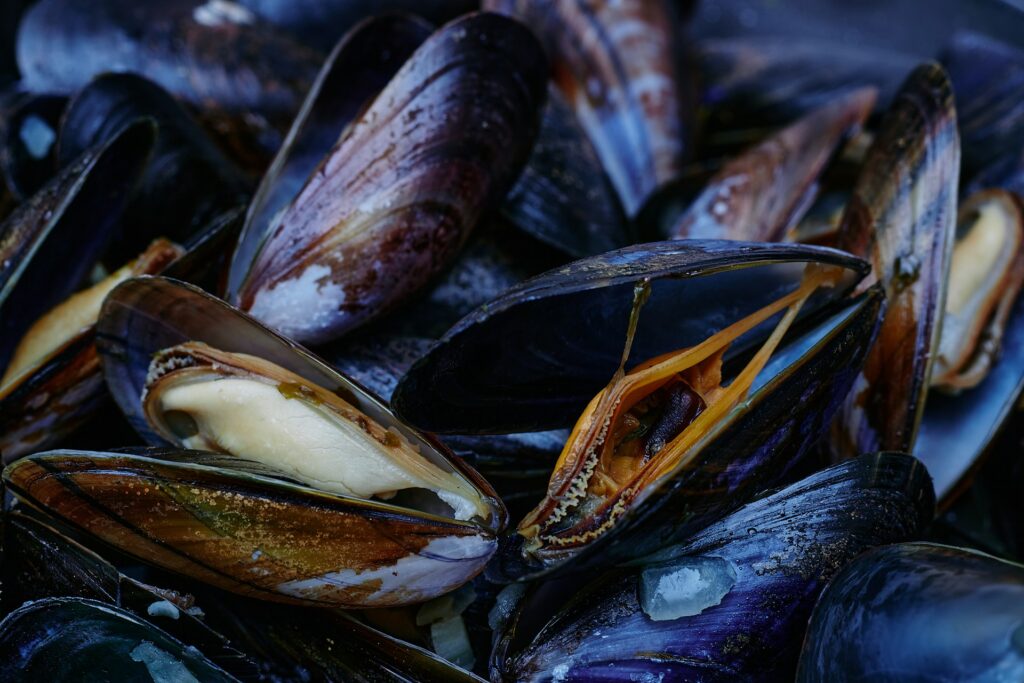
The AWI study revealed three sublethal physiological impacts on mussels. First, researchers found distinct immune system activation, which presented as a stress response.
Secondly, the mussels’ filtration capacity was compromised. This is crucial because shellfish are filter feeders that improve water quality by removing algae, organic matter, and excess phosphorus and nitrogen as they mature. Functional impairment results in their inability to properly maintain a healthy coastal ecosystem.
The study also found low production of byssus threads, which secure the mussels to surfaces and prevent them from being carried away by currents. This weakening threatens the stability of entire mussel bed habitats.
The physiological damage to blue mussels has broader ecological implications that merit scientific consideration. For one thing, mussels are “ecosystem engineers” and are responsible for future sustainability.
The stress imposed by turbine particles on these species creates an alarming cascading effect, from reduced filtration capacity across the system to degraded water quality and altered phytoplankton dynamics. Overall, this negatively impacts the food web.
Beyond potential species impacts, the chemical footprint of the composite particles adds another layer of concern. Studies show that offshore wind farms emit over 200 compounds, with their coatings and anodes accounting for the highest amount.
The complex blend of paints, anti-fouling agents and metals leaches into marine ecosystems, requiring further analysis of possible consequences. It is imperative because of the role wind farms play in the clean energy transition. Experts estimate that one turbine can generate over 843,000 kilowatt-hours of energy monthly, enough to power over 940 homes.
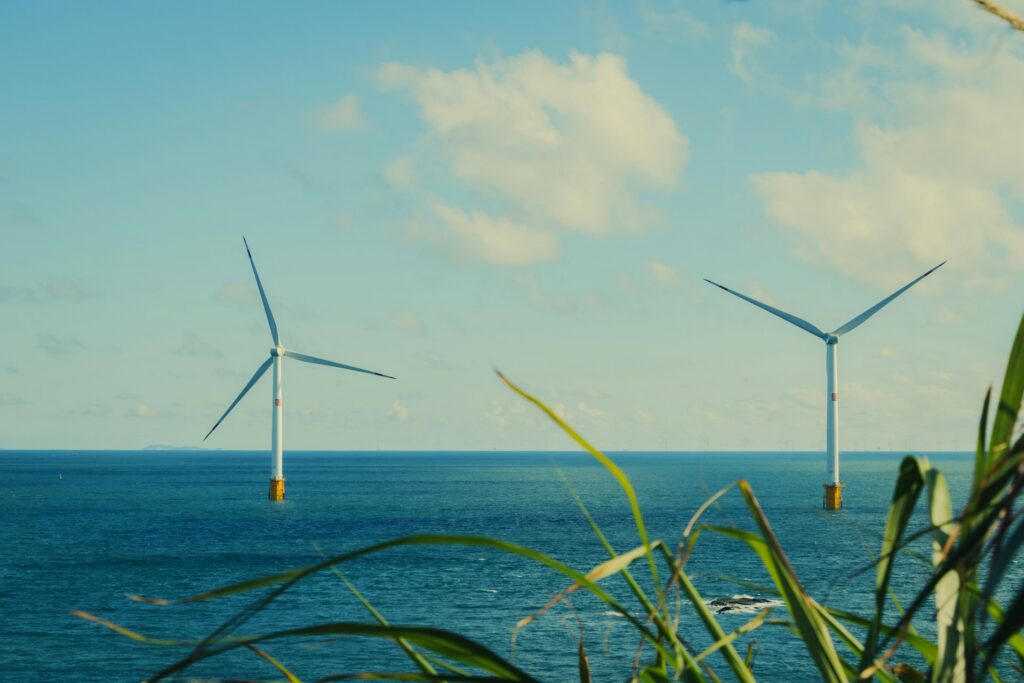
Wind turbines release microparticles from the rotor blades, which are made of composite materials like epoxy resin, fiberglass and carbon fibers. These weather over time and eventually enter the environment.
They also emit over 200 chemical compounds into marine habitats from the protective coatings and anodes. These include paints, anti-fouling agents and metals.
Recent studies show that wind farm particle emissions pose physiological harm to blue mussels. The most common implications are an immune stress response, reduced filtration capacity, and weakened byssus threads.
Their impaired functioning hurts their ability to keep coastal ecosystems clean and prevents them from anchoring to surfaces, hindering their survival and stability.
Just because wind farm technologies pose an environmental risk doesn’t mean they are entirely detrimental to the natural world. While scientists and engineers must address the emissions problem, wind turbines help reduce greenhouse gas emissions by replacing fossil fuels.
The goal shouldn’t be to stop building wind farms, but to acknowledge local ecological impacts and develop innovative solutions to advance clean energy.
Engineers can address pollution issues associated with wind turbines through advanced materials science and regulatory measures. Their objective should be to develop more durable and environmentally safe materials for blades and coatings, including corrosion and erosion-resistant coatings using non-toxic substances.
Research development into material toxicity can also inform better decision-making, while international testing and regulatory standards can better mitigate chemical and particulate emissions from offshore installations.
AWI researchers shed light on a critical consideration for future wind energy applications, underscoring the need for innovations that improve ecological protection. Long-term and in-situ studies can help industry professionals better understand the full scope of these potential impacts under real-world conditions.
The findings of future studies should drive proactive innovation that makes turbine materials more sustainable. Next-generation composites and non-toxic coatings should be core focuses, resulting in more durable, long-lasting designs. This forward-thinking strategy will enable a smoother transition to renewable energy, ensuring clean power without compromising marine ecological well-being.
Revolutionized is reader-supported. When you buy through links on our site, we may earn an affiliate commision. Learn more here.

This site uses Akismet to reduce spam. Learn how your comment data is processed.