




 By Emily Newton

Revolutionized is reader-supported. When you buy through links on our site, we may earn an affiliate commision. Learn more here.
Both residential and commercial buildings have adopted a minimal, industrial appearance in recent history. They have attempted to resemble a clean, tech-forward future through interior design and building material choices. However, there is a current drive to blend the beauty of the outdoors with that of the indoors. This is why biophilic design has become so popular. More people want green spaces wherever they go because they are inspiring and calming. A living wall is one of the most popular examples of this shift. How can you use these in your space, and why might they be better than a standard sheet of glass, which is so common nowadays?
A living wall is a vertical plant installation, art piece or barrier. Typically, it features plants scaling up or planted along the side of a wall. The plants can grow because the wall features an irrigation system supported by hydroponics. Water and nutrients can filter through the system into the different sections of the wall. These segments or trays contain soil and other growing media to support the plants’ atypical growing environment.
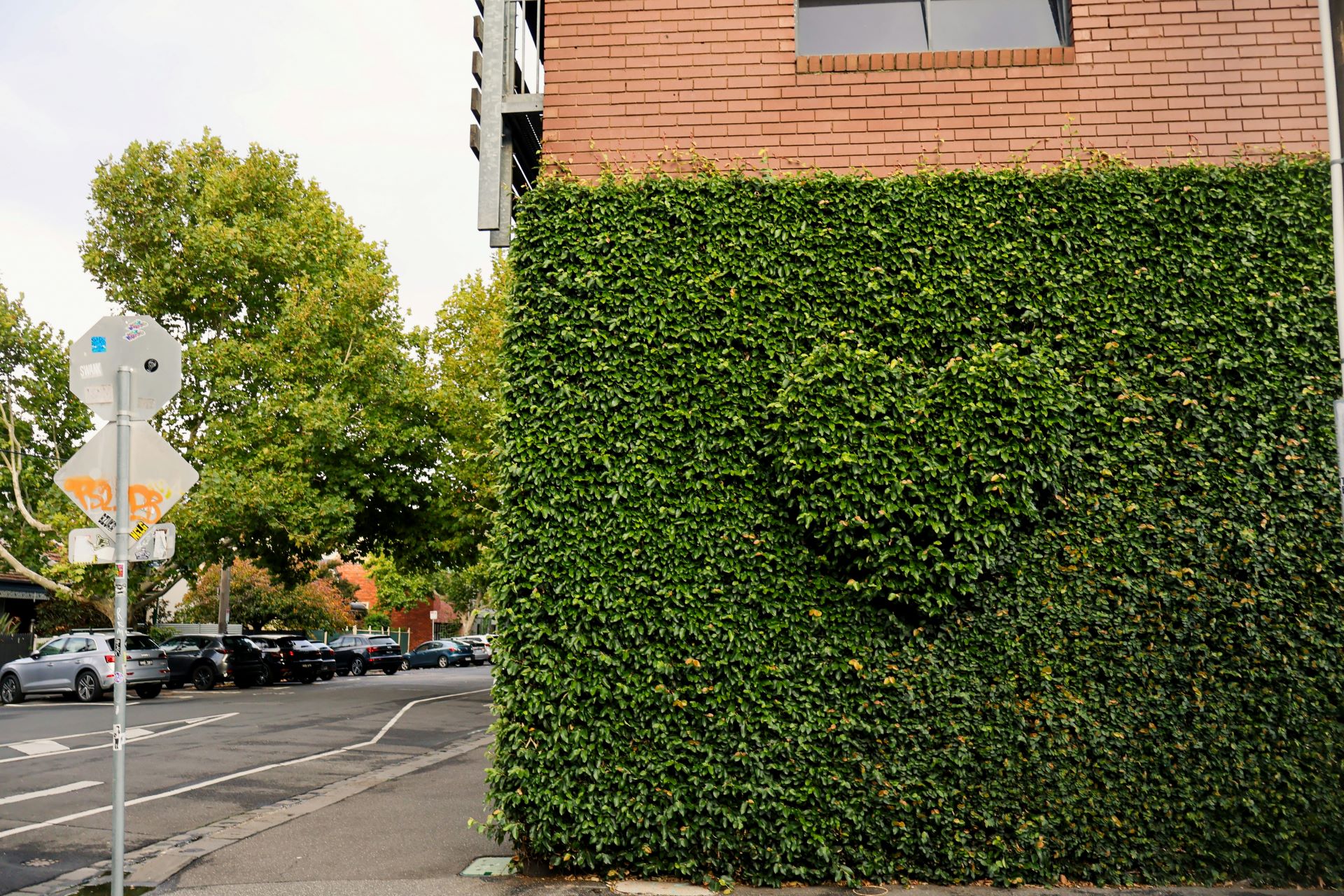
While you may have seen many homes with gorgeous ivy scaling the sides of homes, or, unfortunately, invasive species like kudzu covering anything it touches, these are not technically living walls. A living wall is a manufactured structure engineered to support plant well-being. It can contain many types of vegetation, but it is intentional eco-engineering and built into a structure.
The purpose of a living wall can vary. One of the primary reasons people are setting them up is to increase their exposure to green space and organic elements in their homes. For many reasons, including poor work-life balance and tech fatigue, people are craving nature and greenery.
A living wall is a practical and space-conscious way to have green space nearby without requiring much space for a local park that may or may not even be within walking distance. Other reasons to put up a living wall include:
If you’re putting a living wall in your home or local business, this is how you can get that process started in a way that sets you up for success. The key to sustainable maintenance and longevity begins with a thoughtful installation featuring nourishing components and adequate access to resources.
Living walls can be inside or outside a building. However, location matters. The plants still need access to light and accessibility to a water source. Additionally, you will want to consider the wall’s weight, especially if it is against or near fragile structures. It should also be in a spot where you can easily access it from all angles for maintenance and care.
There are several frames you can pick from when establishing a living wall ecosystem. Modular panels with waterproofed sealants are ideal, but you can also apply them yourself. It should also be able to attach pockets, panels and trays for the growing medium and water distribution system.
The wall should feature a variety of plants that can safely grow in a vertical space with strong competition. They should also be able to grow with the available light source. Some reliable options include:
You can incorporate plants with many colors for variety, or have an entirely lush, green wall. If they have similar maintenance needs, it also makes upkeep more convenient. Additionally, you can switch out seasonal plants alongside the year-round varieties to add some spice.
Once you have everything, including the plants and irrigation infrastructure, you can put everything in its permanent home. Stabilize the wall and safely fill each tray with the desired plants, potentially creating a colorful pattern or design in the process. Feel free to move varieties around to access more light or place them higher based on how they bloom and grow.
The structure may feel large and intimidating, but keeping a living wall happy is accessible, even for beginner plant enthusiasts. If you have a hydroponic setup, a lot of it remains automated, anyway, depending on the setup of the irrigation system.
If you have connected software or a smart system, set up a watering routine based on the needs of the growing medium. If not, schedule time to regularly check the moisture levels and water as needed. Built-in irrigation systems should be able to adjust and tend to everything most of the time, but a hands-on review is critical every now and then.
Schedule time to inspect the plants. Look at the soil and leaves. See if you notice any pests, discoloration or changes in shape. These could all indicate diseases or pests. Even an unusual smell could be indicative of a concern.
The plants can get too long and unwieldy. It is advantageous to give them a trim every now and then, so they have enough nutrients to support the main body of the plant. Indoor installations will also need to spend extra time cleaning, as dust can accumulate on plants and harm their development.
Know the signs when your plants aren’t getting enough light. Are they wilting or showing signs of leaf bleaching? When they are struggling, supplement them with compost or nutrients in their soil or growing medium. Fertilizing can be a monumental help, especially if the living wall is in an unintuitive location for the plants.
The benefits of living walls extend beyond allowing you closer access to soundproof, green space. They also:
Humans have discovered they cannot exist fully separated from nature. While a wall-sized glass partition feels elegant for a time, surrounded by metal furniture and massive PCs, it lacks an organic atmosphere people crave. Installing a living wall in any space instantly makes it feel better, as if the bridge between the indoors and outdoors isn’t so far away.
Whether you own a home or a business, consider installing a living wall, as maintenance is straightforward enough to become a fulfilling collaborative project among friends or co-workers. Plus, the long-term benefits completely justify the up-front work.
Revolutionized is reader-supported. When you buy through links on our site, we may earn an affiliate commision. Learn more here.

This site uses Akismet to reduce spam. Learn how your comment data is processed.